

Audio By Carbonatix
The Independent Power Generators Ghana (IPGG) has welcomed the introduction of the GH¢1 Energy Sector Levy, stating that it is a necessary measure to restore stability in the power sector.
According to the IPGG, the policy intervention is both necessary and time-sensitive, given the precarious financial state of the sector.
It therefore extends its firm support for the government’s introduction of the levy, which it described as aimed at addressing the growing and unsustainable debt within the electricity value chain.
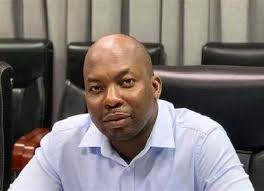
In a statement signed by its Chief Executive Officer, Dr. Elikplim Kwabla Apetorgbor, it pointed out that the sector's distress, which affects power producers, fuel suppliers, and system reliability, is a direct consequence of the mismanagement and misapplication of previously established Energy Sector Levy and bond proceeds and loans.
“Funds that were earmarked for the settlement of legacy debts and restoration of financial health were not applied with the discipline, transparency, and accountability that the sector required”, it added.
Power Delivery Ecosystem Under Immense Strain
It continued that the entire power delivery ecosystem is now under immense strain, stressing that Independent Power Generators (IPGG) are unable to recover costs, maintain assets, or secure timely fuel supplies, a situation that undermines grid stability, endangers electricity reliability, and diminishes confidence among investors and financial partners.
“In this context, IPGG commends the current administration for taking responsibility and initiating decisive, corrective actions. The introduction of the GH¢ levy is a pragmatic and forward-looking measure. If properly ring-fenced, monitored, and applied transparently, it can serve as a credible instrument for restoring liquidity and credibility in the power sector”, the statement alluded.
The IPGG acknowledged the genuine burden any new levy places on consumers, especially under current economic conditions.
However, it said the consequences of inaction, blackouts, plant shutdowns, job losses, and erosion of national productivity are far more severe and immediate, adding, ensuring a stable and resilient electricity supply is a shared responsibility that requires collective sacrifice and institutional accountability.
It therefore appealed to all Ghanaians to support this measure in good faith, concluding, “We stand ready to collaborate with the government and all stakeholders to ensure that the proceeds are effectively utilized, and that the sector is placed on a path of financial sustainability, operational efficiency, and long-term resilience”.
Latest Stories
-
Landfilling waste management creates no value, it’s an economic waste
4 minutes -
Photos: Speaker Bagbin Commissions MPs constituency office under parliamentary decentralisation programme
20 minutes -
Black Stars technical advisor Winfried Schäfer sacked as GFA shakes up backroom staff
24 minutes -
Wenchi water project almost complete, critical to gov’t agenda – GWL MD
40 minutes -
Anti-LGBTQ+ bill not part of government’s legislative agenda – Inusah Fuseini
42 minutes -
Anti-LGBTQ Bill: Forget the rumour mongers, I’m a man of action, and will pass the bill – Speaker
1 hour -
Women and children among those killed in Sudanese army shelling of wedding celebration
2 hours -
President Mahama is not sincere with Ghanaians on LGBTQ bill matter – Hassan Tampuli
2 hours -
Gov’t to establish Prison Industrial Hub to equip inmates with income-generating skills – Prison Service boss
2 hours -
Alhassan Tampuli donates cement, roofing sheets to support storm victims in Gushegu
2 hours -
Alhassan Tampuli appeals for urgent support for storm victims in Gushegu
2 hours -
The hypocrisy must stop; pass Anti-LGBTQ+ Bill now – Alhassan Tampuli to Mahama
2 hours -
Imprisonment should be rehabilitative, not punitive – Ghana Prisons boss at UNGA
3 hours -
Ga Adangbe traditional priests petition Mahama over McDan aviation licence revocation
3 hours -
Anti-LGBTQ Bill: NDC’s arrogance is worrying – Hassan Tampuli
3 hours