
Audio By Carbonatix
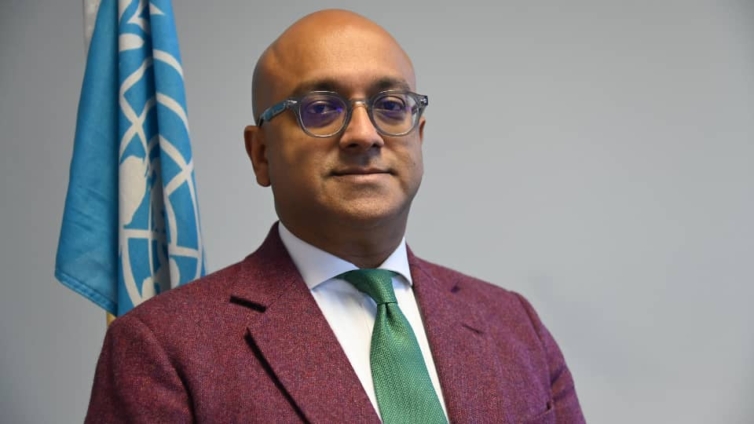
Zia Choudhury, United Nations (UN) Resident Coordinator in Ghana, has urged the public, especially global leaders, to reaffirm their collective commitment to eradicating all forms of racism and discrimination.
In a statement to mark the International Day for the Remembrance of the Slave Trade and its Abolition on 23 March 2025 in Accra, Mr Choudhury entreated residents to rise and reimagine a world that is fairer and more just for all.
On this solemn occasion, the global community marks the International Day for the Remembrance of the Slave Trade and its Abolition, commemorating the 1791 uprising on the island of Saint-Domingue (now Haiti) that paved the way for the abolition of the slave trade.
This day serves as a reminder of the millions of lives devastated by the Trans-Atlantic Slave Trade, one of history's most inhumane and enduring injustices.
The day offers an opportunity to examine the historical causes and consequences of the slave trade and its impact across continents, and encourages educational events and activities.
"This is highly relevant for Ghana, given its history as a central point of the trans-Atlantic trade in enslaved people and its existing UNESCO World Heritage Sites (Forts, Castles, and related memory sites)," the Resident Coordinator noted.
"Acknowledge the past, repair the present, and build a future of dignity and justice as a broader UN theme calls on us to reflect deeply and act decisively," Mr Choudhury stressed. "It is a call to honour the resilience of those who endured, to confront the injustices of the past, and to build a future rooted in dignity, equality, and justice."
Between the 15th and 19th centuries, over 27 million Africans were forcibly taken from their homes. Only 7.4 million survived the brutal voyage.
These individuals were objectified, exploited, and denied their basic human rights. Families were torn apart, cultures disrupted, and generations scarred.
Though abolished, its consequences persist in the form of systemic racism, social exclusion, and inequality.
People of African descent still face discrimination and marginalisation, underscoring the need for
continued vigilance and action.
Latest Stories
-
Ursula Owusu challenges Mahama’s claims on SIM registration, says exercise was credible
5 minutes -
Action star Chuck Norris dies, family says
24 minutes -
Peter Quartey calls for strict enforcement of SOE performance targets
32 minutes -
Reckless motorbike riding at Eid ‘worrying trend’ – Chief Imam
34 minutes -
Photos: Vice President joins Muslims for Eid-ul-Fitr prayers at State House forecourt
56 minutes -
Let’s fix governance and performance gaps in SOEs – Experts
56 minutes -
Eid-ul-Fitr: Chief Imam raises alarm over youth indiscipline, drug abuse
2 hours -
GSE continues good run, 10 stocks record gains since January 2026
2 hours -
Ghana scores higher than Nigeria, Kenya in Fitch Solutions 2026 Digital Readiness Risk Index
2 hours -
Ghana Medical Relief to hold medical outreach in Ho West District, targets about 16,000 beneficiaries
2 hours -
NSA celebrates Eid, commends staff and personnel for national service
2 hours -
Côte d’Ivoire’s counterterrorism strategy raises concerns over foreign military dependence
2 hours -
Middle East: Prez Mahama calls on leaders of warring nations to opt for dialogue
3 hours -
First Deputy Governor chairs College of Humanities Advisory Board
3 hours -
Nestlé Ghana engages ‘Mammies’ ahead of nationwide Maggi loyalty promo and rewards drive
3 hours