

Audio By Carbonatix
In terms of absolute numbers, the mass exodus of nurses and other health professionals from Ghana for better income and compensation packages abroad has not affected the provision of healthcare services in the country.
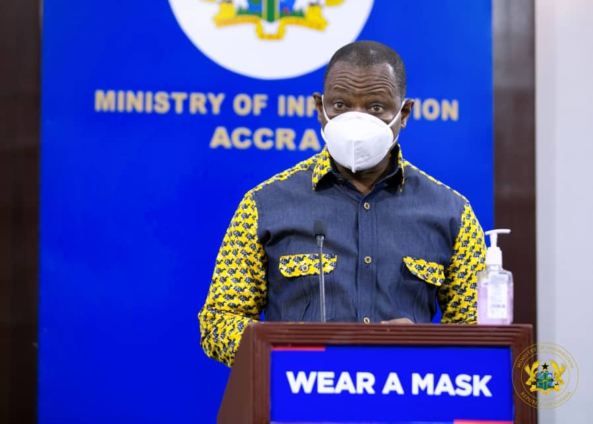
Dr Patrick Kuma-Aboagye, the Director-General of Ghana Health Service (GHS), made this known at the Minister's news briefing in Accra on Thursday, on the topic: Increasing Access to Quality Health Care.
He said the Service had recruited 33,625 new staff over the last three years to boost its capacity to deliver primary healthcare to Ghanaians.
In the first half of 2023, the GHS had increased its staffing capacity from 86,000 to 120,000 and is taking steps to replace those who had left through further training.
The Service was rolling out innovative strategies and programmes to expand access to primary healthcare at the sub-district level under its Network of Practice (NOP), Dr Kuma-Aboagye said.
The NOP is a model of care where the GHS deliberately builds networks of health facilities at the sub-district level and supports them to work optimally to strengthen primary health care.
Dr Kuma-Aboagye said between 400 and 500 health centres would be upgraded into model ones with new infrastructure, equipment and human resource to deliver quality healthcare.
Ghana’s Parliament, he said, had approved $150 million World Bank facility to support the implementation of the Networks of Practice project.
He encouraged Ghanaians to appreciate the efforts of health professionals who were patriotic enough to stay in the country to serve their motherland.
According to the Ghana Registered Nurses and Midwives Association, more than 5,000 nurses and other health personnel had left Ghana for greener pastures abroad over the last three years due to poor conditions of service.
Meanwhile, Dr Alberta Biritwum-Nyarko, the Director in charge of Policy Planning, Monitoring and Evaluation, GHS, in a presentation, said the NOP project would involve a group of public and private health facilities deliberately interconnected through an administrative and clinical management model to offer better health services to clients.
The project would increase access to quality healthcare and population-based services for all by 2030.
It would provide 24-hour services, rapid response to clinical and public health emergencies, better feedback from the community and improve the provision of medical equipment and logistical management to clients.
Latest Stories
-
Accra Athletics Open Championships conclude with strong performances ahead of African Championships
41 seconds -
Ghana to begin camping with 12 athletes after Accra Open Championships – Bawa Fuseni
22 minutes -
Anthony Joshua declines showdown with Tyson Fury but admits they ‘probably’ clash next
35 minutes -
Tyson Fury dominates Makhmudov, calls out Joshua next
54 minutes -
I have supported highway authority financially to fix roads in my constituency – A Plus
2 hours -
US, Iran fail to reach peace agreement after marathon talks in Pakistan
2 hours -
ECG kicks off Phase Two of transformer upgrades at Lashibi; brief outages expected
3 hours -
Port crises loom as 11,000 drivers threaten four-day strike
4 hours -
A source of excellence across generations – Vice President Opoku-Agyemang lauds Mfantsipim
5 hours -
(Photos) Mfantsipim School launches historic 150th anniversary
5 hours -
Knights and Ladies of Marshall group backs Catholic Bishops’ stance on anti-LGBTQ+
6 hours -
Bright Simons writes: All the Filla in the Ibrahim Mahama/E&P – Gold Fields Saga
6 hours -
Monetise Idiocy In Ghana
7 hours -
The Ghanaian prophet and the mysterious death of his scottish wife Charmain Speirs
7 hours -
Nearly 400 sentenced in Nigeria for links to militant Islamists
8 hours