

Audio By Carbonatix
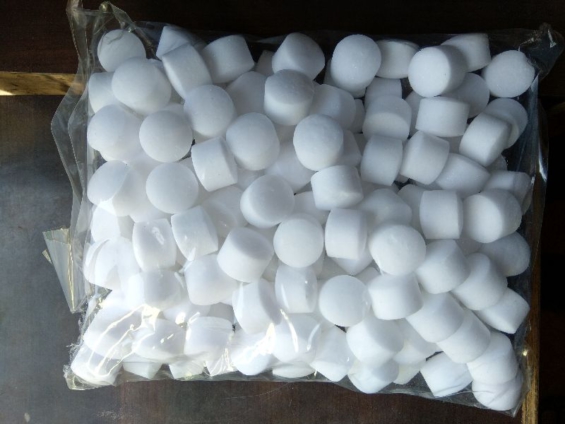
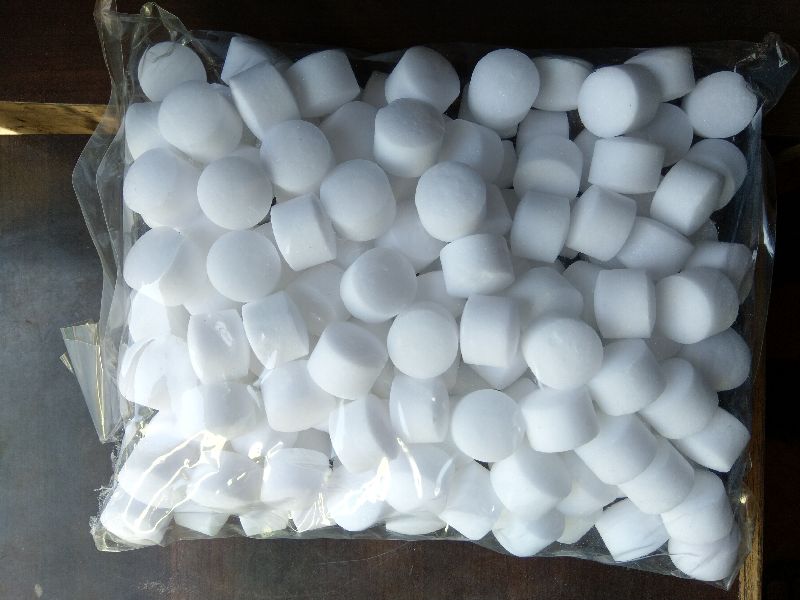
Naphthalene balls, sometimes referred to as mothballs are white, volatile, small balls that are used either as pesticides or insecticides.
They may be used indoors or outdoors. Naphthalene balls mostly consist of the ingredients Naphthalene and Thionaphthalene and are obtained from either coal tar or petroleum distillation.
When naphthalene melts from solid into the gaseous state, it produces a strong pungent odour which is toxic to moths and other insects. Under the mandate of the Food and Drugs Authority (FDA), naphthalene balls are classified as household chemical substances for repelling insects.
It has come to the notice of the FDA that some sections of the public use naphthalene/mothballs to purify drinking water, and for the treatment of stomach aches, measles, and diarrhoea.
These forms of usage other than repelling insects may cause serious harm to the users and therefore the public is strongly advised to desist from that.
Indeed, research has shown that incorrect use of naphthalene balls can have severe health consequences on consumers and long-term exposure to them may result in severe anaemia, respiratory tumours, reproductive problems, headaches, nausea, sweating, jaundice, confusion, malaise, abdominal pains, eye, and nose irritations.
Additionally, the continuous release of these balls into water bodies and the environment can have dire consequences on aquatic life.
The FDA, therefore, urges the public to desist from the unapproved use of naphthalene balls and adhere to only the approved use as a household chemical substance solely approved for repelling insects and pests.
To this end, the FDA will continue to partner with relevant institutions in the sensitisation of the public on both the appropriate use and harm that may result from the abuse of naphthalene balls to safeguard the health and safety of the consuming public.
Other regulatory interventions such as the recent introduction of the Street Food Vending Permit initiative intended to closely monitor the preparation, packaging and storage of street foods are being enforced in a bid to ensure that no chemical contamination occurs and there is strict adherence to Good Hygienic Practices (GHP) at all times.
Latest Stories
-
Ghana Psychological Association calls for greater involvement of people with lived experience in mental health care
12 minutes -
Ablakwa says Ghana could evacuate more citizens from South Africa if the situation worsens
39 minutes -
Violence against girls must be tackled through individual responsibility – Gender advocate
43 minutes -
Ghana’s BRICS bid must be guided by national interest – International Affairs Analyst
56 minutes -
Journalists look back on a decade of breast cancer reporting in Ghana
2 hours -
President Mahama ends Resetting Ghana tour of Ahafo Region
3 hours -
African negotiators seek delivery of climate commitments at COP31
3 hours -
BoG develops AI rules for financial sector
4 hours -
‘Big Push’: Government assures contractors of prompt payments
4 hours -
Court fines miner for breaking into gold buying shop
4 hours -
Tarkwa court jails labourer for three years over GH¢123,000 theft
5 hours -
GAEC must retain nuclear scientists for Ghana’s nuclear ambitions – Minister
5 hours -
Man reportedly mistaken for game and shot by hunter dead in forest
5 hours -
19-year-old mason jailed 15 years for defiling seven-year-old pupil
5 hours -
Ghana’s banking sector assets rise 20.47% to GH¢500.2bn – BoG Governor
5 hours