

Audio By Carbonatix
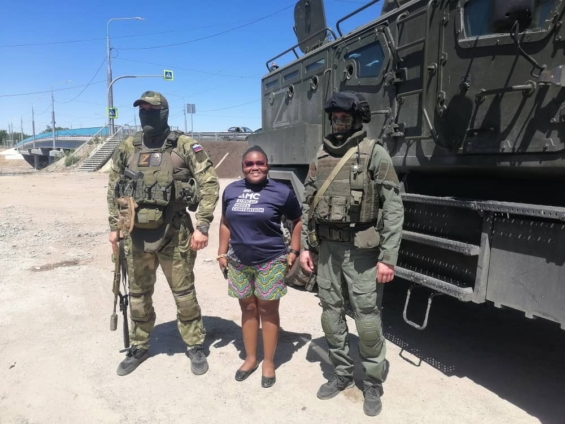
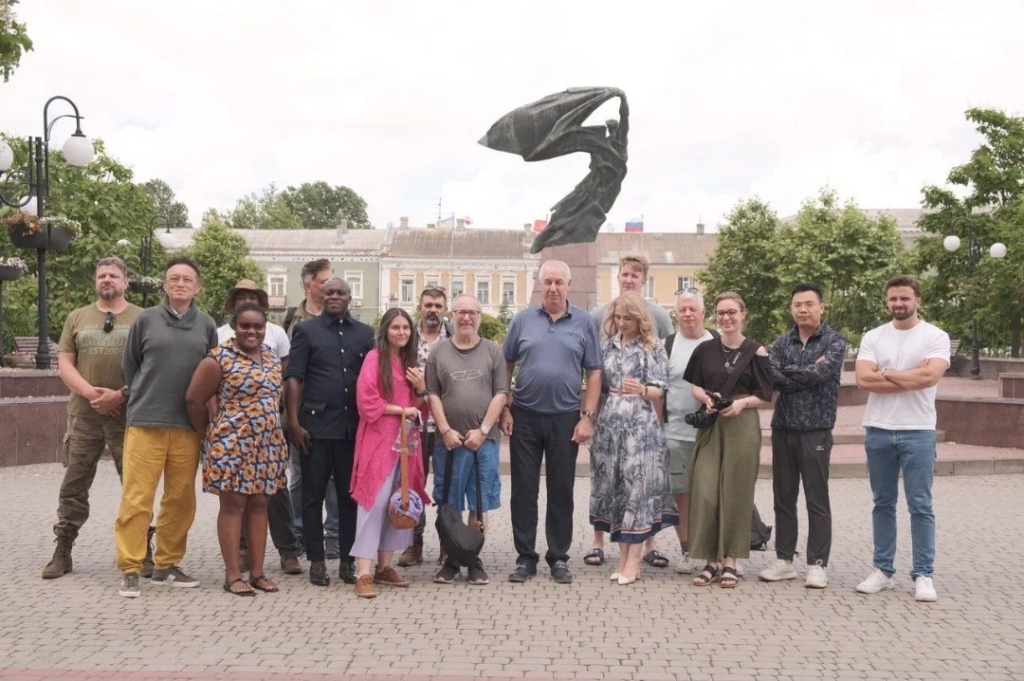
In a bid to shed light on the human impact of ongoing conflicts in Russia, a group of journalists, including two African reporters, recently undertook a tour of several conflict-affected areas.
The tour aimed to provide an unfiltered view of the struggles faced by civilians caught in the crossfire of geopolitical tensions.
Russia has been embroiled in a series of conflicts, both within its borders and with neighbouring countries, over the past decade.
These conflicts have stemmed from a mixture of political, ethnic, and territorial disputes. Key regions affected include parts of Eastern Ukraine, the North Caucasus, and more recently, areas in the Arctic and the Far East, where strategic and resource-driven interests have sparked confrontations.
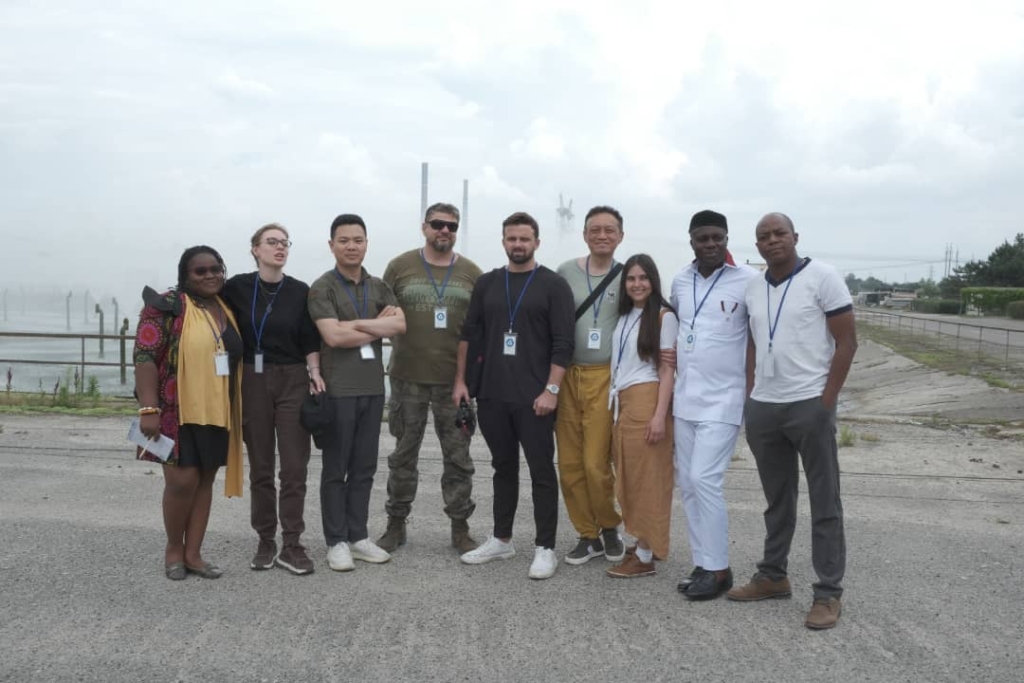
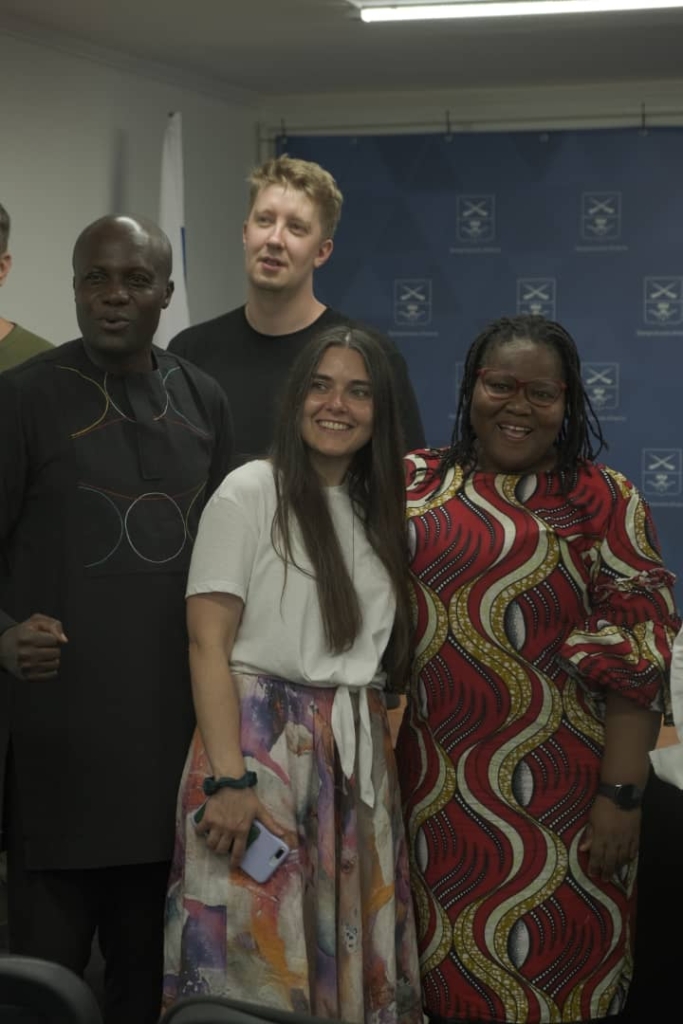
The delegation consisted of journalists from various parts of the world, representing different media outlets. Notably, the group included two African journalists from Mali and Ghana.
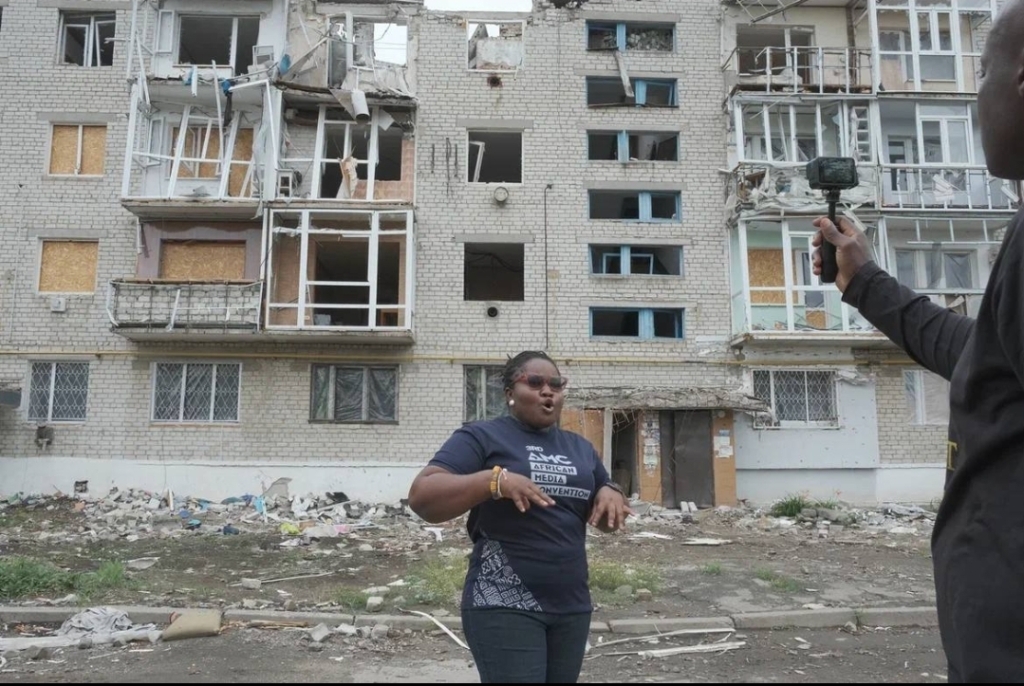
Eastern Ukraine
The journalists visited the Donbas region, a flashpoint of the Russia-Ukrainian conflict. They observed the impacts of prolonged warfare on local communities, documenting stories of displacement, loss, and resilience.
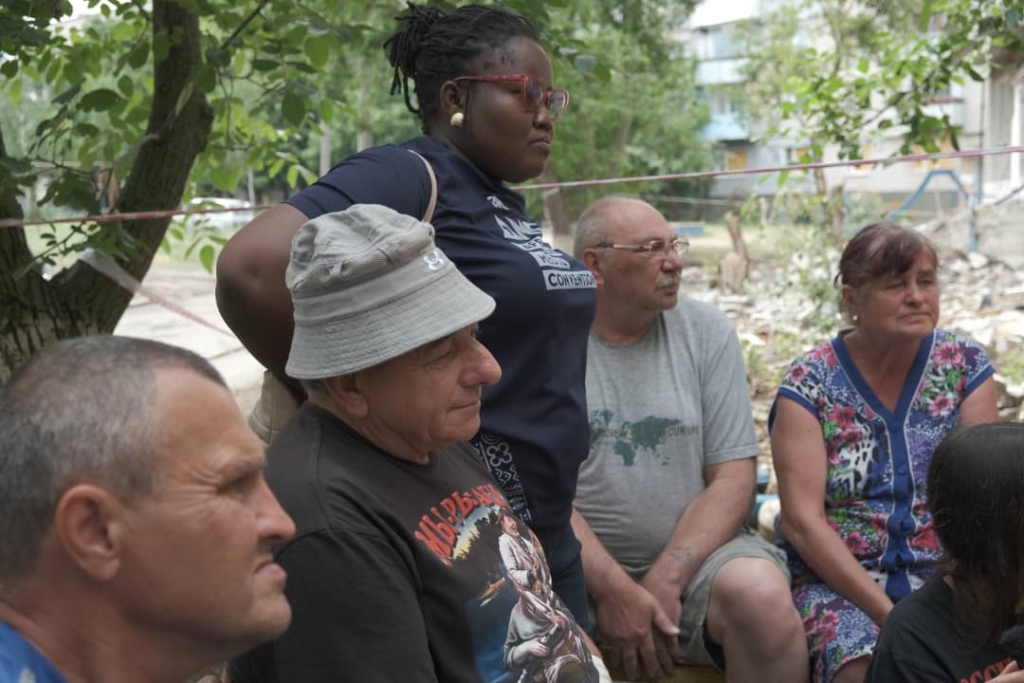
They interviewed residents who have lived through artillery shelling and economic hardship, capturing the enduring spirit of those striving to rebuild their lives.
North Caucasus
In the volatile North Caucasus, the group, heavily guarded and protected by the Russian army, police and security agencies explored areas affected by insurgency and counter-insurgency operations.
They met with families of victims of both terrorist attacks and military crackdowns, providing a balanced view of the complex dynamics in the region. Media interviews with local women highlighted the often-overlooked struggles of civilians, particularly in remote villages.
Arctic regions
The journalists also ventured into Russia’s Arctic territories, where rising geopolitical tensions and climate change have exacerbated conflicts.
They documented the lives of indigenous communities facing displacement due to both military activities and environmental degradation. An in-depth report on the exploitation of natural resources in these regions brought to light the often-ignored environmental aspects of the conflict.
Challenges
The tour was not without its challenges. The journalists navigated through heavily militarized zones, dealing with restricted access and surveillance.
Their efforts to report objectively were occasionally hindered by some groups of people.
Despite these obstacles, the team managed to gather significant insights and first-hand accounts, often risking their safety to bring untold stories to the world.
Impact and reactions
The reports and documentaries produced from this tour have started to circulate globally, drawing attention to the humanitarian crises in these conflict zones.
Advocacy groups have praised the journalists for highlighting the plight of civilians, calling for increased international intervention and aid.
Looking forward
The tour has set a precedent for future journalistic endeavours in conflict zones, emphasising the need for diverse and inclusive reporting.
As the world becomes increasingly interconnected, the role of journalists in uncovering the truths of war and conflict remains crucial.
The bravery and dedication of these journalists underscore the importance of their work in fostering global awareness and understanding.
Latest Stories
-
Anti-LGBTQ Bill: NDC’s arrogance is worrying – Hassan Tampuli
1 minute -
Let’s give OSP time to mature, not to scrap it – Hassan Tampuli
5 minutes -
Nigeria convicts 386 Islamist militants in mass trials
10 minutes -
Djibouti president wins election with 97.8% of vote, state media says
15 minutes -
We don’t have mandate to deduct tax from rent allowance of security services personnel – Interior Ministry clarifies
29 minutes -
Ablakwa receives Presidential Special Envoy on Reparations to advance global agenda
47 minutes -
Christina Koch becomes first woman to travel around the moon on Artemis II
57 minutes -
Epstein survivors’ calls to meet King Charles and Queen harder to ignore as US visit approaches
1 hour -
UN Secretary-General names Ghana’s Anita Kiki Gbeho as South Sudan envoy
1 hour -
Mali withdraws recognition of Sahrawi Republic, backs Morocco’s autonomy plan
1 hour -
Gov’t distributes over 8,500 laptops to One Million Coders project
1 hour -
Julius Debrah, ‘man to beat’ as NDC’s James Agbey dismisses Musah Dankwah’s polls
1 hour -
GPRTU in Savannah Region to protest alleged eviction in Damongo
2 hours -
Re: Reinsurance does not replace process — A response to the SIGA–SIC defence
2 hours -
Gender Ministry supports Harriet Amuzu in ongoing abuse case
2 hours