

Audio By Carbonatix
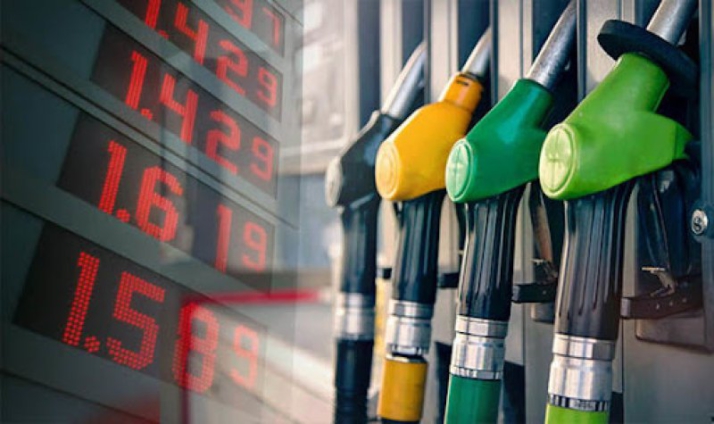
Fuel prices are likely to hit GH¢7.0 per litre or more by the end of the year, the Institute for Energy Security (IES) has projected.
Global demand for fuel is expected to increase in the winter and that could trigger a hike in prices globally in the wake of limited supply, Mr Fritz Moses, a Research Analyst at the IES, said in an interview on Monday.
He said depreciation of the cedi against the dollar could also be a major catalyst in the projected increment in fuel prices.
“We don’t see prices decreasing anytime soon. With the expected increasing in demand on the international market in Europe, Asia and even in Africa, we think it will cause prices to increase.
“The supply from the oil-producing and exporting countries together with Russia, are unwilling to increase their production. They are sticking by their quota, which is releasing about 400,000 barrels per day on the market till April next year,” he said.
Mr Moses said, should that happen, prices would shoot up and that would reflect on the Ghanaian market by the end of the month and through to end of the year.
Fuel prices have been on a steady rise since April 2021, leading to persistent agitations among industry players and transport operators in the country.
Currently, a litre of petrol and diesel is selling at GH¢6.90 at the pumps.
As of November 19, 2021, the price of West Texas Intermediate (WTI) crude oil stood at $75.97 per barrel.
As part of measures to cushion the burden on consumers, the Government, last month, suspended the Price Stabilisation and Recovery Levy (PSRL) on petroleum products for two months, which took effect on November 1, 2021.
The levy imposed 16Gp per litre on petrol, 14Gp per litre on diesel and 14Gp per kilogramme on LPG.
However, Mr Moses said the IES’ assessment thus far showed that removal of the PSRL did not have any significant impact on fuel prices at the pumps.
He said the suspension of the PRSL was not sustainable given that the accumulated increments were more than the 16p/litre cost that the levy accounted for.
He said at the end of the first pricing window in November, the IES found that the depreciation of the cedi against the dollar was a major driver of the price increment, adding that prices on the world market had a marginal impact on prices on the local market.
“Largely, the rise in crude prices on the international market is not that substantial as the cedi depreciation. In some instances, when the prices are going up on the international market and the cedi is stable, the market BDCs and OMCs are able to maintain their prices,” Mr Moses said.
He, therefore, urged the Government to adopt sustainable measures by revamping the Tema Oil Refinery to boost local production capacity and to reduce dependency on the international market.
Latest Stories
-
Hotline Documentary: ‘Silent Football’ to air on JoyPrime and JoyNews today
1 hour -
NDPC examines how evidence shapes Ghana’s development planning and policy decisions
1 hour -
Education Ministry calls urgent talks to break GAUA strike deadlock
1 hour -
NCCE engages women in North East Gonja on rule of law, anti-corruption
1 hour -
NDPC reviews 2004 planning guidelines to reflect changes in decentralised system
1 hour -
Trade Ministry commends Prisons Service for using art to drive inmate rehabilitation
2 hours -
Books, brushes and second chances: Dr Abena Asomaning launches three titles to support prison outreach
2 hours -
Treasury bill auction oversubscribed by 53.5% as yields fall across maturities
2 hours -
NPP warns aspirants premature campaigning could jeopardise eligibility for primaries
2 hours -
Ghana courts investors in Bangkok after exit from $3bn IMF bailout
2 hours -
8 arrested over alleged internet fraud initiation assault in Bono Region
2 hours -
SSNIT says Labadi Beach Redevelopment will create local economic opportunities
2 hours -
BoG proposes 30-day liquidity buffer requirement for banks
2 hours -
BoG plans reviews of banks’ cybersecurity compliance
2 hours -
GRA cautions taxpayers against attacking tax officials
2 hours