

Audio By Carbonatix
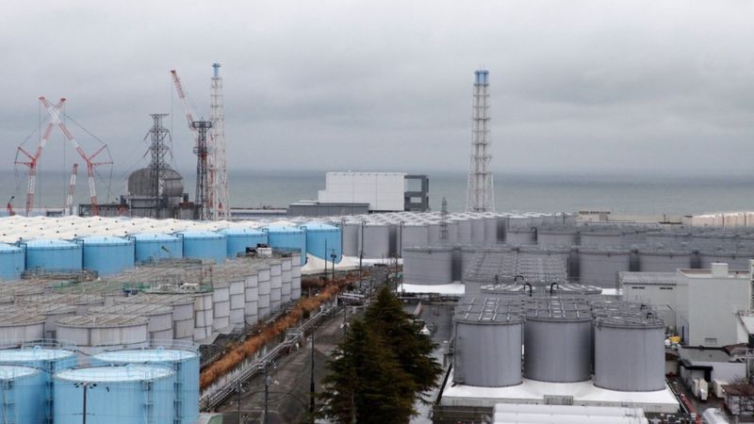
Contaminated water from Japan's Fukushima nuclear plant contains a radioactive substance that has the potential to damage human DNA, a report by Greenpeace says.
The claim from the environmental campaign group follows media reports suggesting the government plans to release the water into the ocean.
Many scientists say the risk is low but some environmentalists oppose the idea.
Contaminated water from Japan's Fukushima nuclear plant could damage human DNA, Greenpeace says https://t.co/1Cwu0TYHXR
— BBC News (World) (@BBCWorld) October 23, 2020
The government has not yet responded to the Greenpeace report.
For years Japan has debated over what to do with the more than a million tonnes of water used to cool the power station, which went into meltdown in 2011 after being hit by a massive tsunami.
Space to store the liquid - which includes groundwater and rain that seeps daily into the plant - will fill up by 2022.
The government says most of the radioactive isotopes have been removed using a complex filtration process but one isotope, tritium, cannot be removed.
Last week Japanese media reported that the government had decided to start releasing the water into the sea from 2022. Under the reported plans, the water would be diluted inside the plant first in a process that would take several decades.
In its report Stemming the tide 2020: The reality of the Fukushima radioactive water crisis released on Friday, Greenpeace claimed the contaminated water contained "dangerous levels of carbon-14", a radioactive substance that it says has the "potential to damage human DNA".
The group accused the government of suggesting the water was "treated" giving the impression it "only contains tritium".
The government said no decision had been made, but observers think one could be announced by the end of the month.
Environmental groups have long expressed their opposition to releasing the water into the ocean. And fishing groups have argued against it, saying consumers will refuse to buy produce from the region.
However some scientists say the water would quickly be diluted in the vastness of the Pacific Ocean, and that tritium poses a low risk to human and animal health.
Latest Stories
-
Photos: Mahama receives full state welcome in Paris ahead of talks with French President Macron
18 minutes -
Deputy Health Minister endorses Women in Medicine Fellowship
19 minutes -
Duncan Amoah pushes for Consumer Protection Bill amid VIP fare hike
31 minutes -
LMWG backs Damang lease award to E&P, demands transparency and results
36 minutes -
Volta Chiefs condemns EOCO over alleged disregard for court ruling in Council of State member case
37 minutes -
Matthew Perry’s stepmother says ‘Ketamine Queen’ should get maximum sentence
37 minutes -
Northern Regional Police Command intensifies anti-drug operations, arrests 217 suspects
38 minutes -
The architect of a healthier Ghana: Mahama’s vision and legacy in primary healthcare
40 minutes -
Israel carries out large wave of air strikes across Lebanon
46 minutes -
BBC upholds complaints over racial slur in Baftas broadcast
46 minutes -
Kukurantumi set to host 2025/26 Women’s FA Cup Final as Hasaacas Ladies face Army Ladies
47 minutes -
Where the law stops: Torture, power, and the failure of prevention in Ghana
47 minutes -
Only 6% of imports insured locally despite mandatory policy – GSA raises concern
52 minutes -
IndomieFest Accra 2026 delivers Ghana’s premier family festival at Easter
58 minutes -
GIP Secures $20m boost from Norfund, Axis Pensions to deepen SME financing in Ghana
1 hour