

Audio By Carbonatix
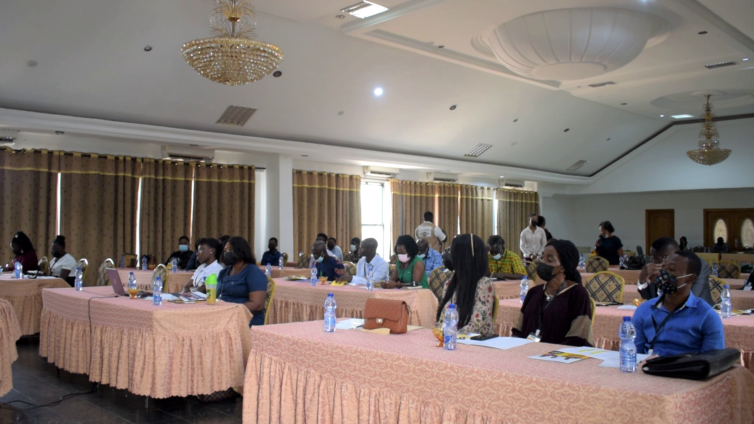
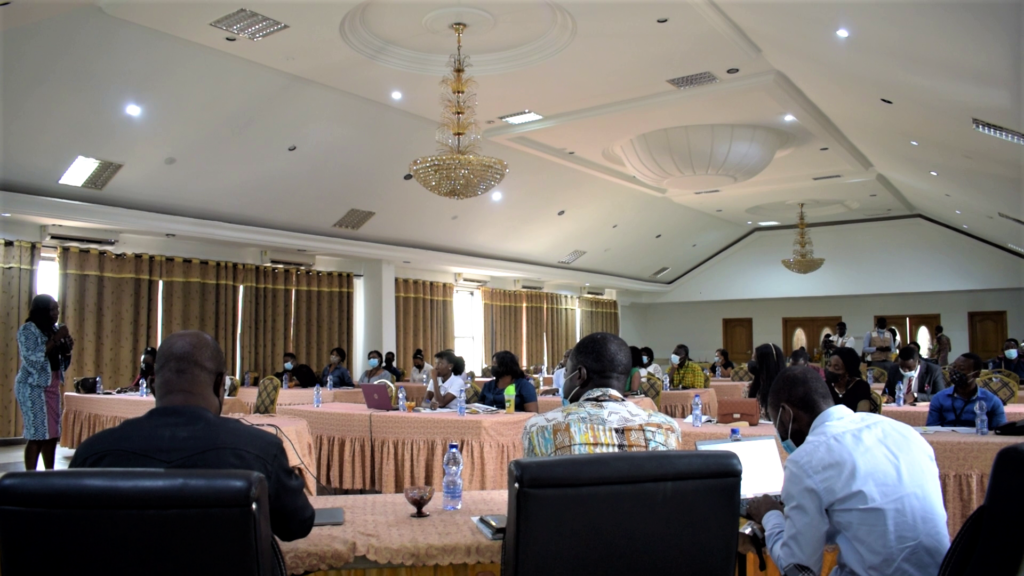
The Ghana Export Promotion Authority (GEPA), is building the capacity of women in agribusiness and textiles in the Ashanti Region to help increase their export and trade potentials.
The 5-day training, supported by the Canadian Trade Facilitation Office, is also aimed at creating more job opportunities for women.
The training programme is part of GEPA's effort to groom exporters for easy access to external markets and ultimately shore-up exports.
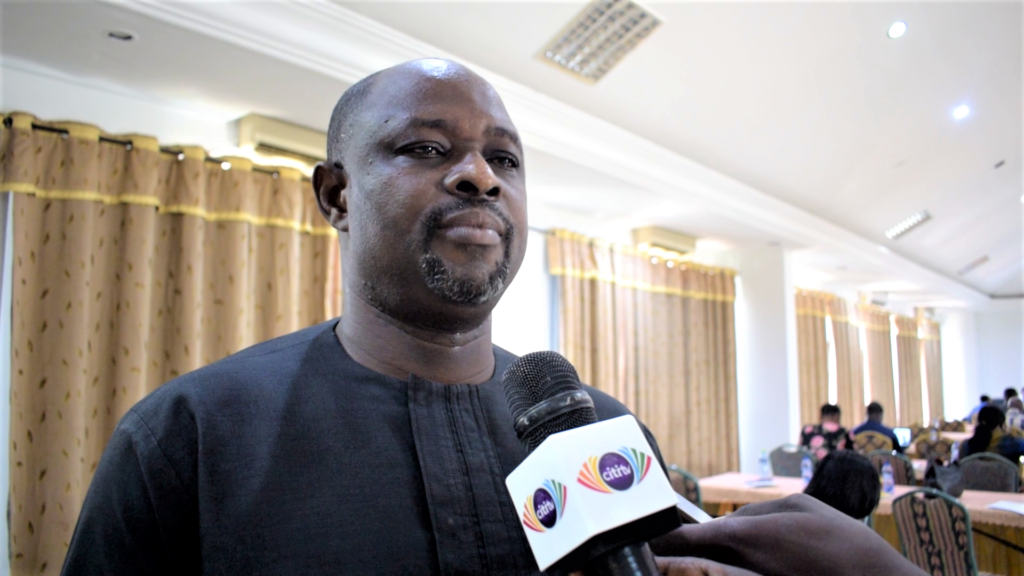
Deputy CEO in charge of Human Resource and Administration at GEPA, Albert Kassim Diwura, observed that international trade comes with lots of demands hence the training.
"This is very important to us because women in trade are doing very well in terms of numbers, but we have realised intermittently they don't have time to do research because they are busy. So we organised this programme to build their capacities to be able to take advantage of the exporting space," he said.
The theme for this year's workshop is; "Facilitate exports for inclusive and sustainable growth."
SMEs have been urged to register under the Ghana Export Promotion Authority (GEPA) to access support to enter the international market.
"Some of them don't know they have to register under the Ghana Export Promotion Authority (GEPA). They think just like we sell in the Ghanaian market, they can produce the same way and take it to the international market. Some of them attempt and they have challenges, but when they register, we give them the requisite knowledge on export fundamentals," he noted.
A representative from the Trade Facilitation Office (TFO), Canada, encouraged women to collaborate and take advantage of the export markets.
Mr. Andrew Mensah believes this will help businesses to meet demand.
"One of the challenges we have noticed is lack of networking. It is important for us to bring these enterprises together to work in synergies. Once these enterprises come together they can form networks to meet capacity drive.
When this problem is solved, we will be able to export to get revenue to the country and through this, we will be making contributions to the economy," he said.
Some of the participants spoke to Luv Business about the relevance of the training to their businesses.
"Targeting Ghanaians is not the best for our business, we need to focus on extending our business to other African countries and that is the main reason I'm here. I want to know the nitty gritty and formalities in terms of exporting, "CEO of iFOK footwear, Emmanuel Atakora-Manu indicated.
Janet D. Gyamah, CEO of Josma Agro Industries Limited said, "we've been producing for the local market and looking for avenues to export directly, so I think this training is really going to help my business"
Latest Stories
-
A source of excellence across generations – Vice President Opoku-Agyemang lauds Mfantsipim
40 minutes -
(Photos) Mfantsipim School launches historic 150th anniversary
1 hour -
Knights and Ladies of Marshall group backs Catholic Bishops’ stance on anti-LGBTQ+
2 hours -
Bright Simons writes: All the Filla in the Ibrahim Mahama/E&P – Gold Fields Saga
2 hours -
Monetise Idiocy In Ghana
3 hours -
The Ghanaian prophet and the mysterious death of his scottish wife Charmain Speirs
3 hours -
Nearly 400 sentenced in Nigeria for links to militant Islamists
4 hours -
Ghana’s recovery supported by gold strength despite global oil price pressures – Standard Bank Research
4 hours -
Methodist Church hails Mfantsipim@150; calls for “fresh consecration” to excellence
4 hours -
‘Excellence is our inheritance’ – Nana Sam Brew-Butler hails Mfantsipim’s 150-year reign in leadership
4 hours -
Kwaku Azar writes: A-G vs OSP
4 hours -
Mfantsipim–Adisadel rivalry built excellence, not division – Sam Jonah
5 hours -
Vice President launches Mfantsipim’s 150 years of shaping Ghana’s greatest mind
5 hours -
I assure Otumfuo, Mahama will join him to commission KNUST Teaching Hospital by end of this year – Haruna Iddrisu
6 hours -
Barcelona dominate derby to extend La Liga lead
6 hours