

Audio By Carbonatix
The 6th Annual World Air Quality Report, meticulously compiled by IQAir, has shed light on the concerning state of global air quality in 2023.
Drawing data from over 30,000 air quality monitoring stations across 7,812 locations in 134 countries, territories, and regions, the report reveals troubling details about the world’s most polluted countries.
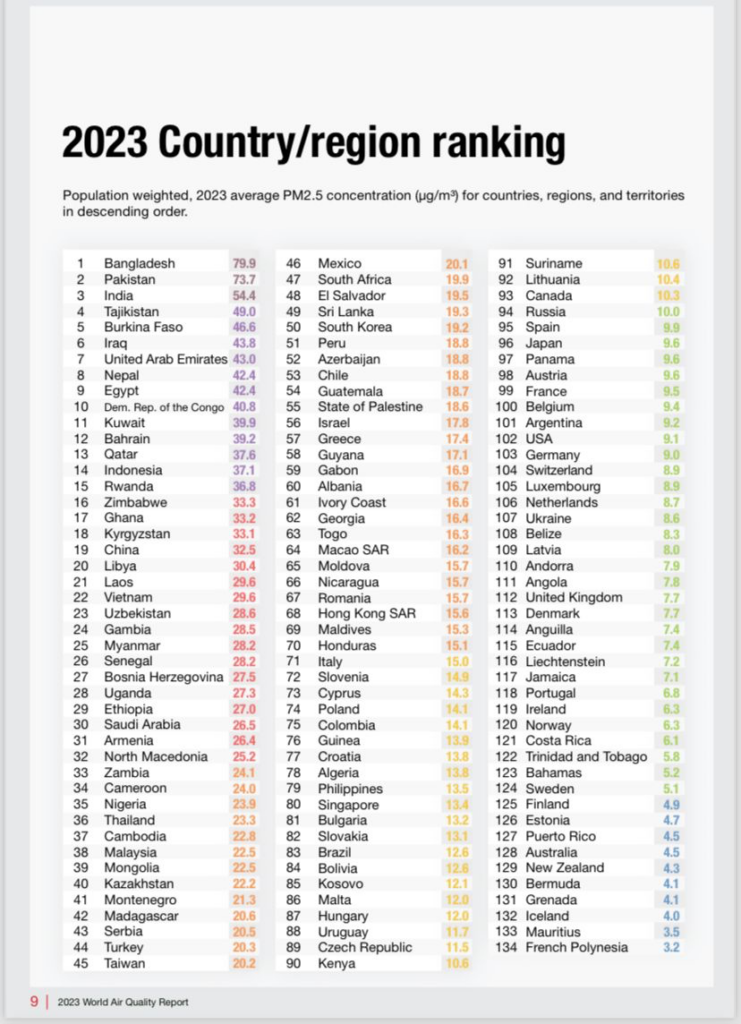
Key findings from the report paint a grim picture of the global air quality crisis. Shockingly, only seven countries managed to meet the World Health Organisation's annual PM2.5 guideline, signifying the widespread prevalence of air pollution.
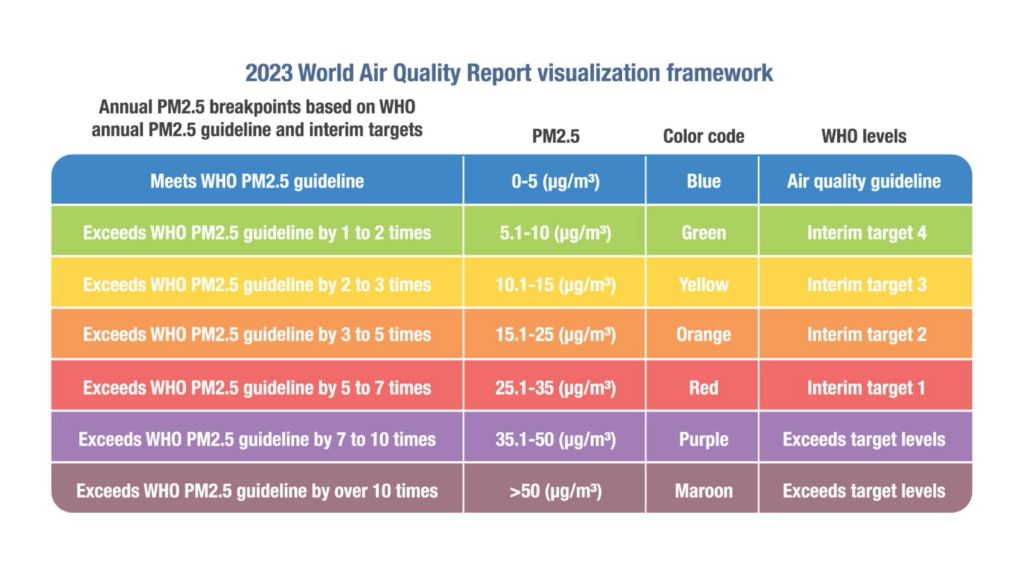
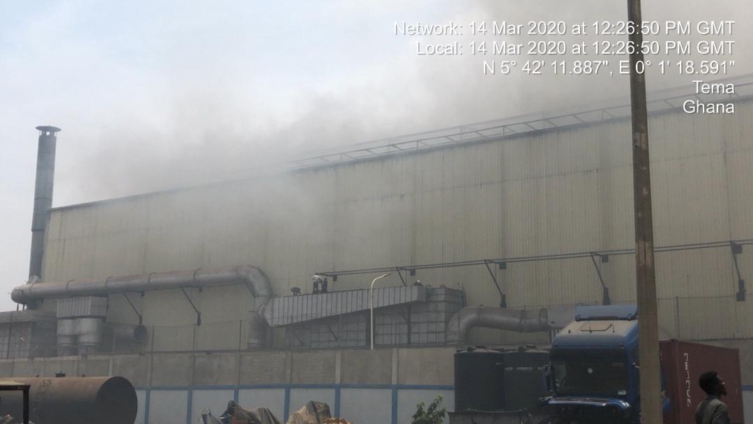
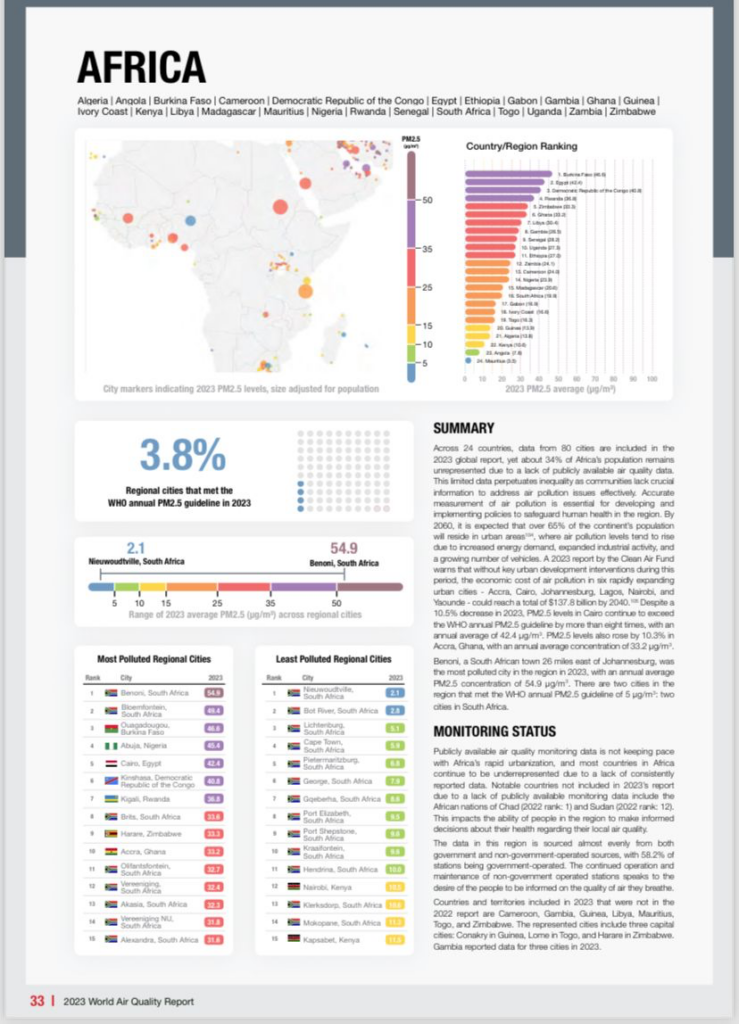
Among the top five most polluted countries are Bangladesh, Burkina Faso, and Ghana, with PM2.5 levels soaring far beyond the WHO guidelines, posing significant health risks to their populations.
Air pollution, characterized by the contamination of the environment by various chemical, physical, or biological agents, is a pressing global concern.
Exposure to fine particulate matter, particularly PM2.5, has been linked to a range of health conditions, including stroke, heart disease, lung cancer, and respiratory illnesses.
Tragically, air pollution claims the lives of 6.7 million people prematurely every year, underscoring its devastating impact on human health.
PM2.5, the primary air quality indicator, refers to fine particulate matter measuring up to 2.5 microns in diameter.
These tiny particles can penetrate deep into the lungs and bloodstream, causing a host of health problems.
Common sources of PM2.5 include combustion engines, industrial processes, and natural events like dust storms and wildfires.
While the global air quality crisis poses significant challenges, there are glimmers of hope in the form of cities that have managed to maintain clean air standards.
In the United States, cities like Las Vegas, Nevada, stand out as shining examples of clean air, demonstrating that with concerted efforts and effective policies, it is possible to mitigate the impacts of air pollution and safeguard public health.
As the world grapples with the far-reaching consequences of air pollution, the 2023 World Air Quality Report serves as a stark reminder of the urgent need for collaborative action.
Governments, organizations, and communities must work together to address this pressing issue and ensure a healthier, cleaner future for all.
This story was a collaboration with New Narratives. Funding was provided by the Clean Air Fund. The funder had no say in the content of the story
Latest Stories
-
Ghana housing finance conference adopts communiqué to improve affordable housing access
3 hours -
Special Initiatives Minister urges Wa Technical Institute to enrol more girls as EU-backed solar training lab opens
4 hours -
In the matter of my first year at the Bar
4 hours -
ActionAid Ghana calls for an end to child marriage, greater investment in girls’ rights
4 hours -
Newsfile to tackle World Cup visa scandal, beach demolitions, education strikes, BRICS bid
4 hours -
UK-Ghana Trade & Investment Summit: Trade Resource Centre to help businesses maximise UK-Ghana trade opportunities
5 hours -
Embassy of Denmark celebrates World Maritime Day
5 hours -
Linking LEAP to productive inclusion could cut extreme poverty by 2030 – UNICEF
6 hours -
Trade Ministry backs use of creative arts to rehabilitate prison inmates
6 hours -
Negotiations with government to continue despite strike suspension – GNAT
6 hours -
‘Ghana cannot afford to waste public resources; every cedi has a job’ – Ato Forson
6 hours -
Ghana expects economic boost as World Assemblies of God Congress brings 10,000 delegates to Accra
6 hours -
Joy in Nayilifong as Farouk Aliu Mahama donates 100kVA transformer to improve power supply
7 hours -
Chief Justice urges employers to tackle mental health stigma in workplaces
7 hours -
Analysis: Ghana’s yellow fever numbers reveal a gap between vaccination and protection
8 hours