

Audio By Carbonatix
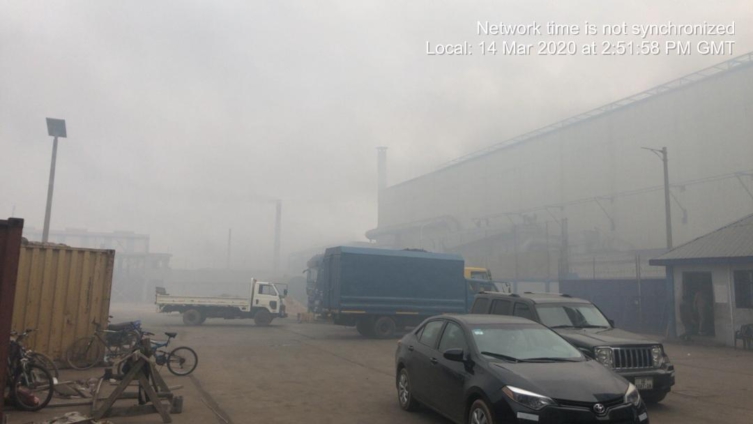
In the heart of Ghana, where the vibrant streets of Accra pulse with life, an invisible enemy is lurking in the air - pollution.
The latest 2023 Annual World Air Quality Report, meticulously assembled by IQAir, has painted a grim picture of Ghana's air quality, marking it at an all-time worst.
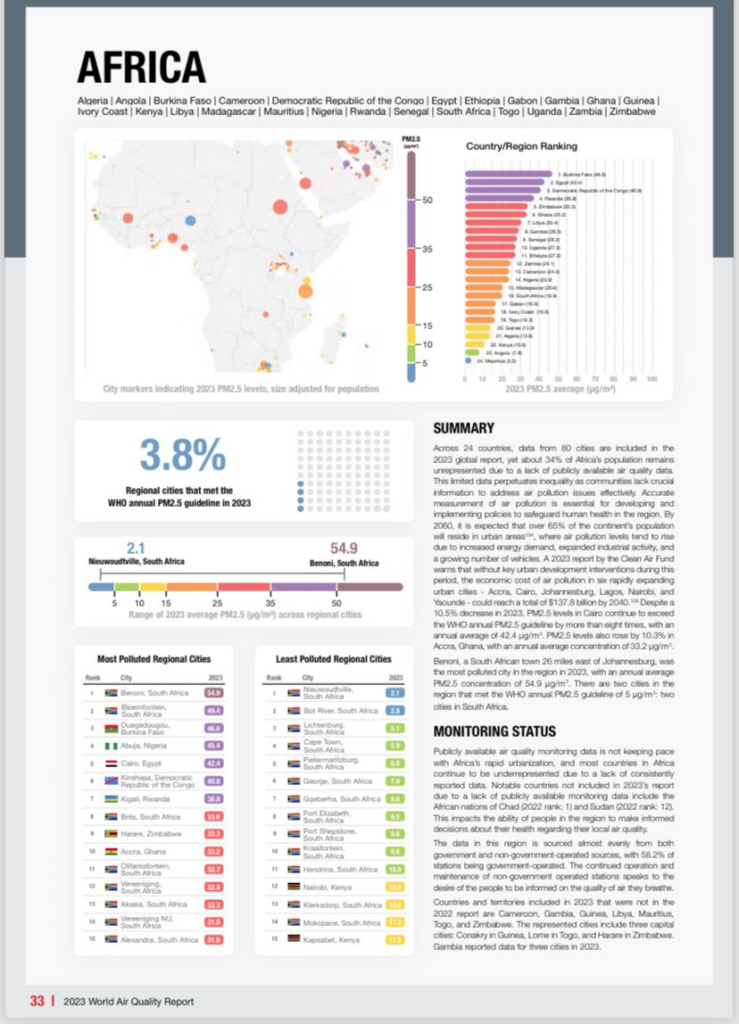
Accra, the bustling capital, stands as Africa’s 10th most polluted city, echoing a growing concern across the continent.
The 6th Annual World Air Quality Report reveals troubling details of the world’s most polluted countries, territories, and regions in 2023.
For this year’s report, data from more than 30,000 air quality monitoring stations across 7,812 locations in 134 countries, territories, and regions were analyzed by IQAir’s air quality scientists.
IQAir is a Swiss technology company that empowers individuals, organisations, and governments to improve air quality through information, collaboration, and intervention.
The 2023 World Air Quality Report was created from real-time air quality data sourced from IQAir’s global air quality monitoring platform that vets incoming data with validation and calibration protocols to harmonise air quality data from monitoring stations around the world.
Over the years, Ghana's air quality has been on a worrying trajectory. In 2022, Ghana held the 27th spot among the world's most polluted countries.
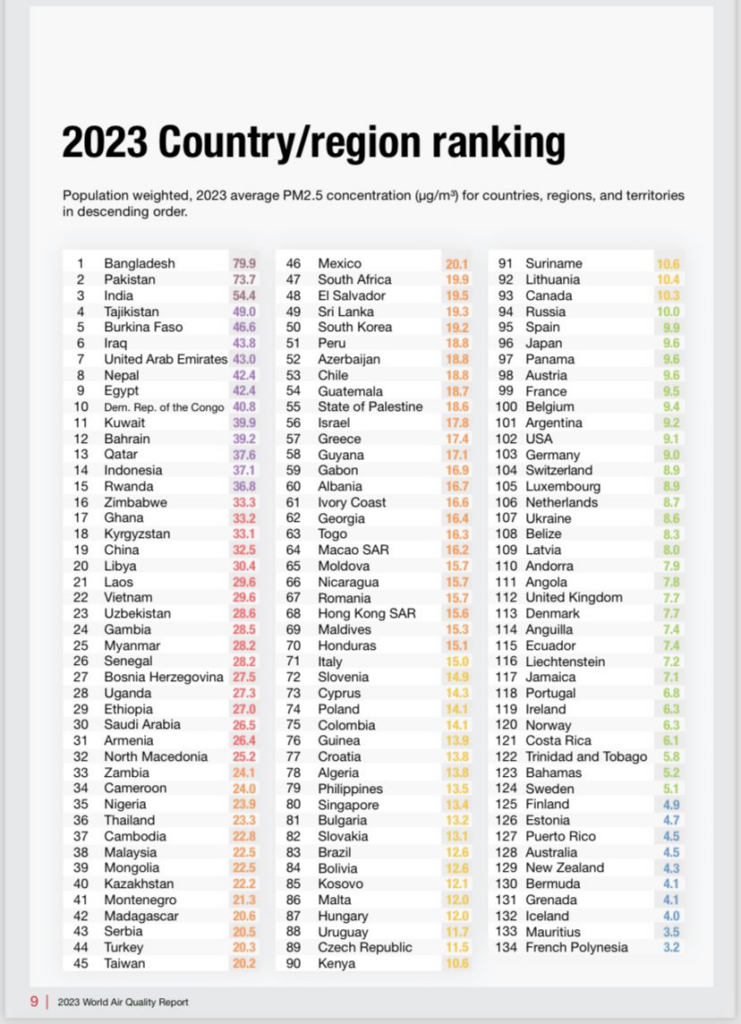
However, the latest report positions Ghana at the 17th spot, showcasing a stark decline in air quality. The average PM 2.5 readings, a crucial indicator of air pollution, have been steadily rising.
In 2023, the PM 2.5 reading soared to 33.2 µg/m³, marking an all-time high and highlighting the severity of the situation.
In Africa, Ghana was ranked as the sixth most polluted country on the continent. Burkina Faso however was ranked the most polluted country on the continent and the fifth country worldwide.
In the city rankings, Accra is among the top ten most polluted cities on the African continent, with only 3.8% of African cities meeting the WHO annual PM 2.5 guideline in 2023.
The report sheds light on the broader African context, revealing that only 10 out of 134 countries worldwide managed to achieve the WHO annual PM 2.5 guideline, signalling a pressing need for urgent action.
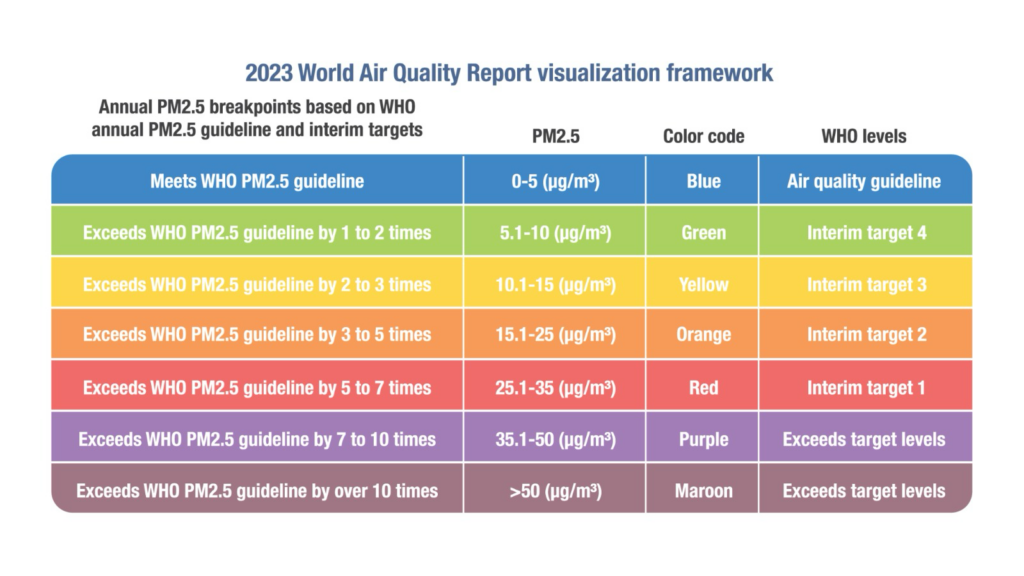
The existing guidelines by the World Health Organisation stipulate that the annual average concentrations of PM 2.5 should not exceed 5 µg/m³, and in 24 hours, average exposure should not exceed 15 µg/m³ for more than 3-4 days per year.
With an average PM 2.5 reading of 33.2 µg/m³, that means, the average Ghanaian is breathing in pollutants at least 6 times the recommended limit.
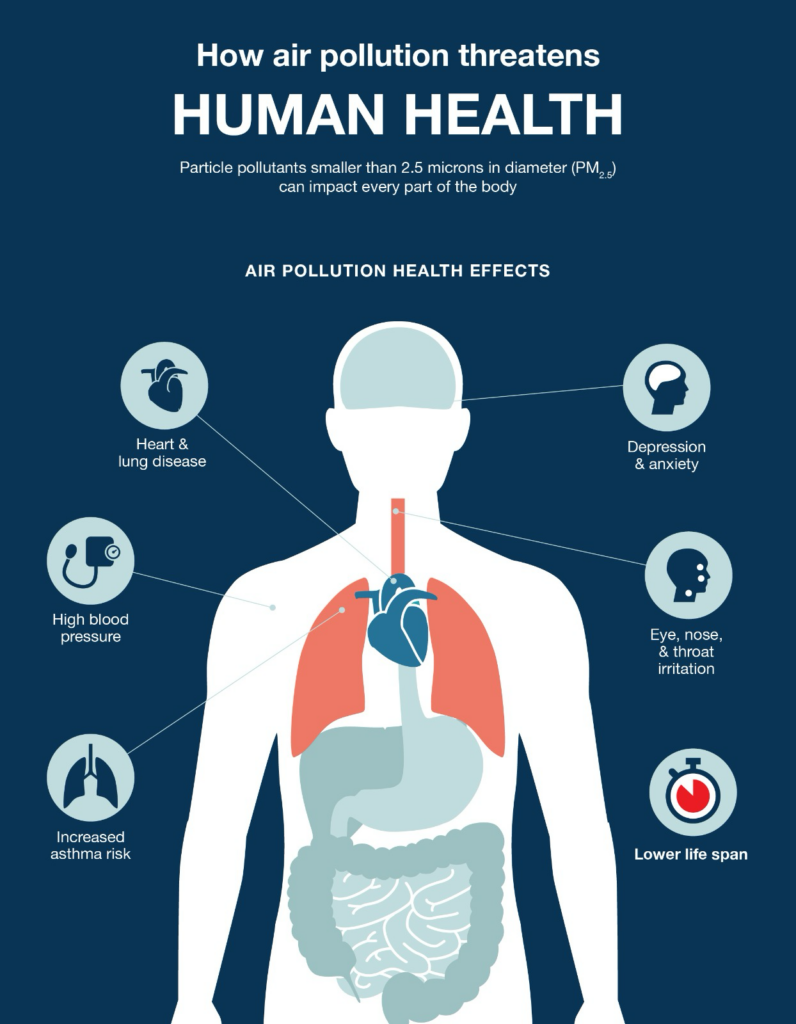
Air pollution is not just a statistic; it's a silent killer with profound implications for public health.
Exposure to PM 2.5 pollutants, originating from various sources including combustion engines, industrial processes, and wildfires, has been linked to a myriad of health issues ranging from respiratory diseases to cognitive impairment, affecting individuals of all ages.
Air pollution in Ghana results in approximately 28,000 deaths annually, equating to approximately one person dying every 19 minutes. By the same statistic, at least 2,333 people die every month.
The repercussions of air pollution extend beyond health concerns, encompassing economic ramifications as well.
A report by the Clean Air Fund warns that without crucial urban development interventions, the economic cost of air pollution in rapidly expanding urban cities like Accra could skyrocket to a staggering $137.8 billion by 2040, underscoring the urgent need for comprehensive policy measures.
The 2023 World Air Quality Report serves as a wake-up call, urging governments, organizations, and communities to unite in combating this looming crisis.
Accurate measurement of air pollution, coupled with robust policy frameworks and collaborative efforts, is imperative to safeguarding human health and fostering sustainable development across the continent.
As the sun sets over the bustling streets of Accra, a call to action hangs in the air - a reminder that the fight against air pollution is not merely a battle for statistics, but a collective endeavour to protect the well-being of present and future generations. It's time to clear the air and pave the way for a healthier, cleaner future for all.
This story was a collaboration with New Narratives. Funding was provided by the Clean Air Fund. The funder had no say in the content of the story
Latest Stories
-
Global youth unemployment rises amid sluggish job creation and looming AI risk, UN labour agency says
16 minutes -
Dangote refinery spurs West Africa fuel trading hub ambitions
27 minutes -
New transmission from animals likely caused Congo-Uganda Ebola outbreak, study says
36 minutes -
Legal vacation trials: Chief Justice has power to order specific cases heard – Young Lawyers Forum President
45 minutes -
Oil rises as doubts over US-Iran deal heighten supply concerns
1 hour -
Nigeria police say 10 officers, 17 suspected bandits killed in clash in Kebbi state
1 hour -
Vacation courts can handle substantive matters – Young Lawyers Forum challenges GBA position
1 hour -
Oil, gold prices rise as geopolitical tensions mount before CPI
2 hours -
Congo says number of confirmed Ebola cases rises to 4,449
2 hours -
Trump says he switched planes after Nato summit because of possible threat
2 hours -
Ghana’s exports surpass imports after two decades of trade imbalances
2 hours -
Gold concentration exposes Ghana to export risks – GSS
2 hours -
Ghana’s tomato, ginger shortfalls deepen import bill, CSIR researchers say
2 hours -
Beyond connectivity, Telecel Group is investing in young learners’ digital and soft skills
2 hours -
Here’s why Samsung Galaxy Z Fold8 is perfect device for your favourite content
3 hours