


Audio By Carbonatix
The CEO of VODEC Africa, Daniel Asomani, is calling for sweeping reforms in Ghana’s agricultural sector, insisting such a transformation could generate as many as two million jobs and drive stronger economic growth.
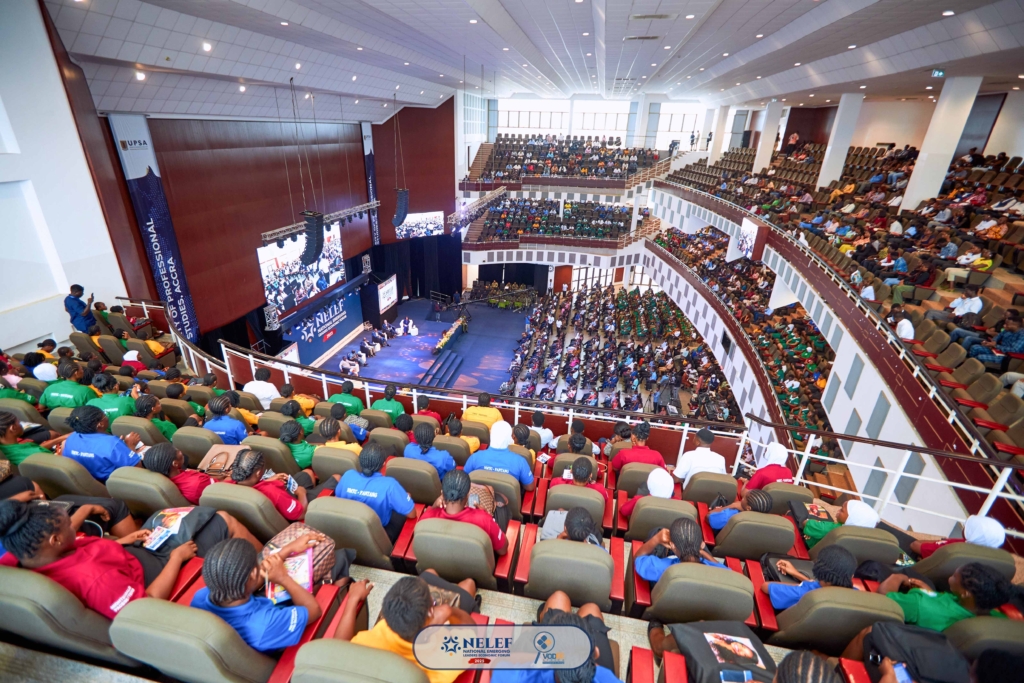
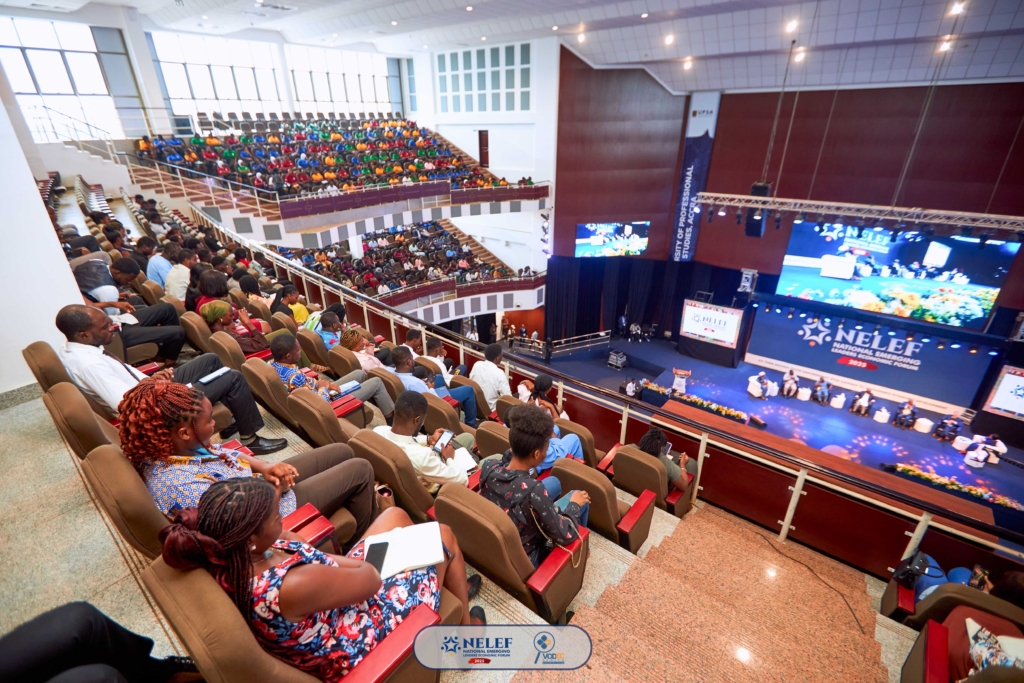
Speaking at the 2025 National Emerging Leaders Economic Forum (NELEF) held at the UPSA Auditorium, Mr. Asomani outlined a seven-pillar economic plan designed to reposition agriculture as a major growth engine.
He noted that the sector’s contribution to GDP currently stands at 18 per cent but stressed that with the right interventions, it could be scaled up to 25 per cent.
The Problem: An Underperforming Sector
Despite its immense potential, Ghana’s agricultural sector has been underperforming for years. A reliance on outdated farming methods, a lack of access to modern technology, and insufficient support for farmers have hampered productivity and limited the sector’s ability to create jobs and drive economic growth. Asomani emphasized that this is a missed opportunity that Ghana can no longer afford.
The Solution: A Green Revolution
The VODEC Africa CEO outlined a multi-pronged approach to revitalizing the agricultural sector. This includes a major push to boost cash crop production, the establishment of agro-processing zones to add value to agricultural products, and the empowerment of farmer cooperatives with access to modern technology and training.

This “Green Revolution,” Mr Asomani argued, would not only ensure food security but also create a vibrant, export-oriented agricultural economy.
A key component of this plan is a focus on empowering women in agriculture. VODEC Africa has already committed to allocating 40 per cent of its Idea Challenge funding to support female entrepreneurs, with a particular focus on industries like shea butter processing, which provides a livelihood for over 600,000 women.
“With our fertile lands and favorable climate, we can boost cash crop production, processing, and exports, while making products accessible to locals. By establishing agro-processing zones, farmer cooperatives with modern technology, and becoming West Africa’s food basket, we can create 2 million jobs and increase agriculture’s GDP contribution from 18% to 25%,” Mr Asomani stated.
The Call to Action: Investing in a Food-Secure Future
Mr Asomani’s address was a powerful call to action for both the government and the private sector to invest in the modernization of Ghana’s agricultural sector.
He stressed that this is not just an economic issue but a matter of national security, noting that a food-secure Ghana is a stable and prosperous Ghana.
Latest Stories
-
‘At the age of 12, I was teaching people and collecting money from them’ – Forty Under 40 Awards
1 hour -
I broke my virginity at the age of 26 after university – Richard Abbey Jnr.
2 hours -
Sacked for fees, saved by faith: The untold story of Forty Under 40 Awards founder Richard Abbey Jnr
3 hours -
GCB Bank surges GH¢0.45, ETI gains GH¢0.06 as GSE ends week higher
3 hours -
Two teens jailed 55 years for robbery
4 hours -
UDS demands apology for MPhil student wrongly branded as Tamale robber
4 hours -
“We don’t sell fish!” – Tema Shipyard CEO hits back over dead fish discovery
5 hours -
Sam George defends anti-LGBTQ+ Bill as ‘national priority’ amid debate over gov’t focus
5 hours -
Artemis II astronauts safely back on Earth after trip around moon
6 hours -
Sam George unveils massive 1,150-cell site rollout to end network woes
6 hours -
This Saturday on Prime Insight: Fuel levy suspension, LGBTQ+ legislation, and Damang Mine controversy
6 hours -
Struggling Real suffer title blow with Girona draw
7 hours -
Mahama nominates Pamela Graham as Auditor-General
7 hours -
The five big sticking points in US-Iran talks
8 hours -
Melania Trump’s speech propels Epstein crisis back to forefront
9 hours