

Audio By Carbonatix
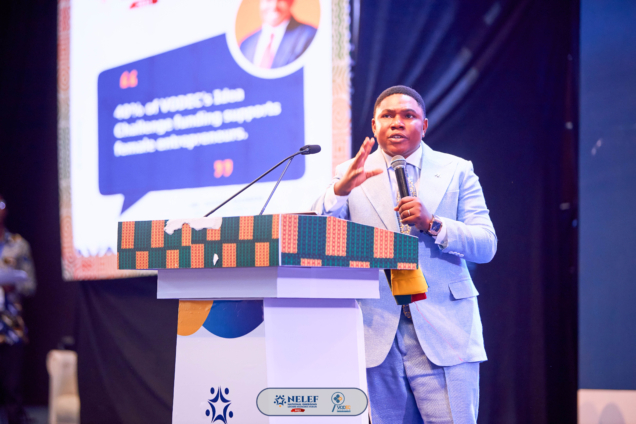
CEO of VODEC Africa, Daniel Asomani, has urged Ghana to break free from its historical role as a mere exporter of raw materials.
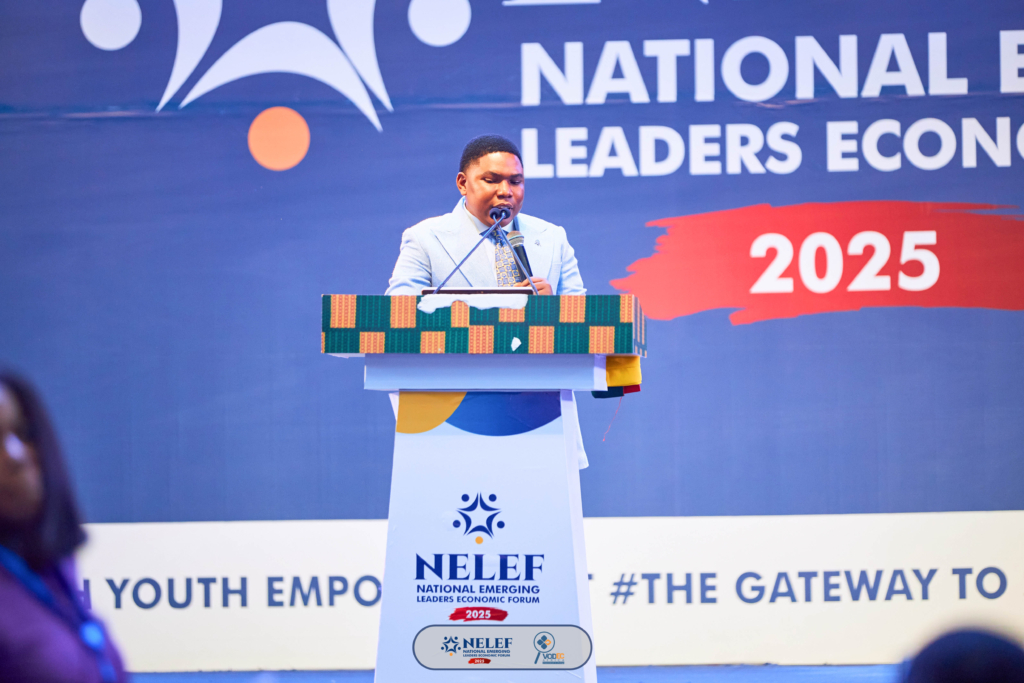
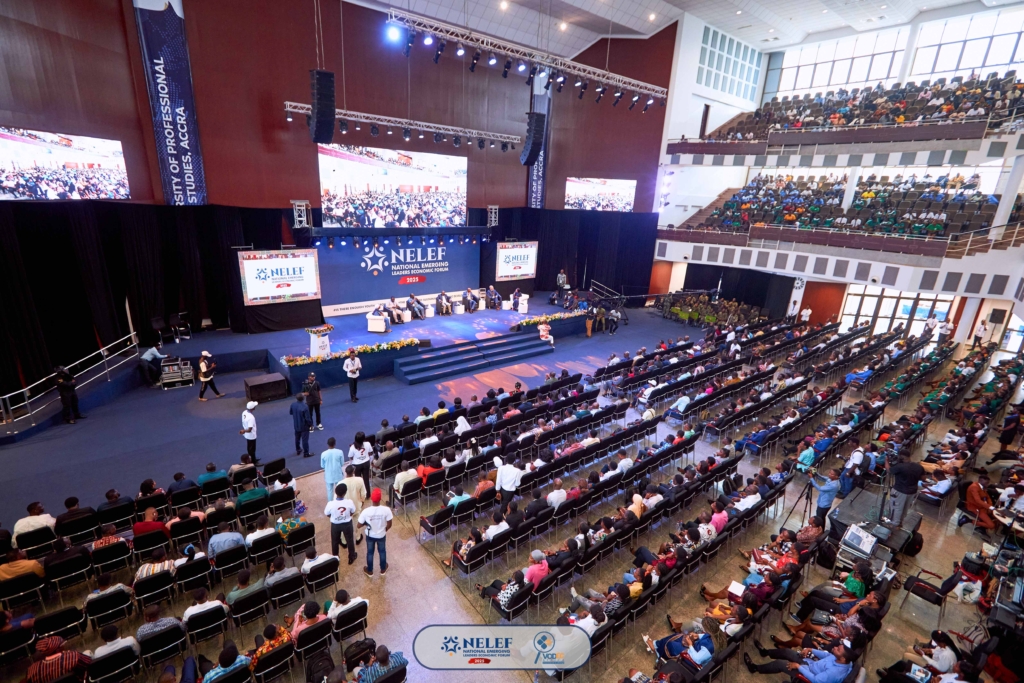
Speaking at the National Emerging Leaders Economic Forum (NELEF) 2025, Mr Asomani called for a paradigm shift towards value addition, stating that, “We must stop being hewers of wood and drawers of water.”
The Problem: A Legacy of Lost Opportunity
For decades, Ghana has been blessed with an abundance of natural resources, including gold, diamonds, bauxite, and timber. However, the nation has yet to fully capitalize on this wealth.
The practice of exporting these resources in their raw form has resulted in a significant loss of potential revenue, job creation, and economic diversification. Mr Asomani argued that this model of resource management is unsustainable and has hindered Ghana’s industrial development.
“Instead of exporting raw gold, we should establish gold refineries and jewelry manufacturing hubs, creating ‘Made in Ghana’ gold products that command premium prices globally,” Mr Asomani asserted.
“Instead of shipping raw bauxite, we should build aluminum smelters and manufacturing plants, producing finished aluminum products for construction and automotive industries across Africa.”
The Solution: A Future of Industrialization
The VODEC Africa CEO outlined a comprehensive strategy for natural resource transformation, one that prioritizes local processing and manufacturing.
This includes the establishment of gold refineries to create a “Made in Ghana” brand for jewelry, aluminum smelters to process bauxite, and petrochemical complexes to refine oil into higher-value products.
This vision of industrialization, Asomani argued, holds the key to unlocking Ghana’s true economic potential.
The proposed transformation is projected to have a monumental impact on the Ghanaian economy, with the potential to create 1.5 million jobs and increase the natural resources sector’s contribution to GDP from the current 20 per cent to an impressive 35 per cent by 2030.
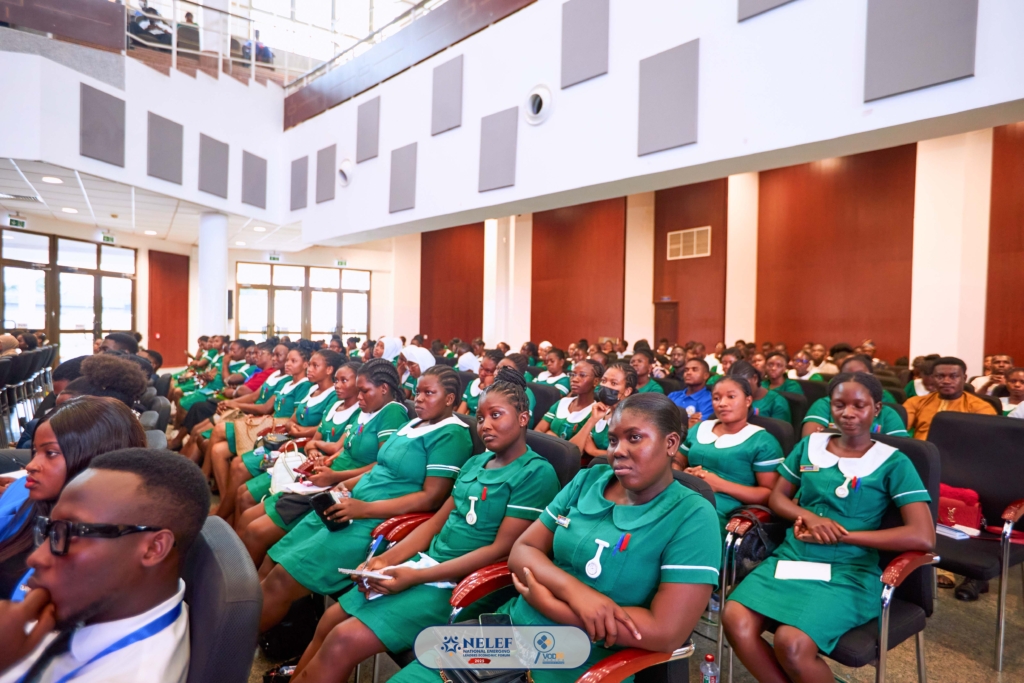
The presence of regional leaders like the Hon. Dr. Frank Amoahkohene, the Ashanti Regional Minister, at the forum signifies the importance of this issue at both the national and regional levels.
The Call to Action: Embracing a New Economic Destiny
Mr Asomani challenged the nation’s leaders, including the government officials and private sector stakeholders present, to embrace a new economic destiny for Ghana.
This new destiny is one where Ghana is no longer a passive supplier of raw materials but an active participant in the global value chain, a nation that creates, innovates, and adds value to its own natural resources.
Latest Stories
-
Power restoration fault suspected in Kumasi Central Market fire
2 hours -
The 7-foot giant of Ngleshie Amanfro: Seven-foot Ghanaian Ephraim Saawa dreams of joining the national basketball team
3 hours -
Government promises support for Kumasi Central Market fire victims
3 hours -
Vibes The Movie: Big Ghun’s Ghanaian film earns five nominations at 2026 REFFA
3 hours -
MamaCare CEO warns unresolved conflicts among health workers could undermine maternal and neonatal care
4 hours -
Health professionals urged to translate medical knowledge into practice to save mothers
4 hours -
Conflicts among care providers linked to maternal, neonatal deaths – Expert
5 hours -
GIS marks 10th TIME conference, champions improved teaching practices
6 hours -
BRICS Or Balance? What Ghana’s bid really means
6 hours -
GPRTU wants full TRAFFITECH-GH implementation to start in 2027
6 hours -
Mahama announces plans to import electric wheelchairs for PWDs
6 hours -
KGL U17 Colts 2026: Western beat Prempeh Elite Academy to set up final final with Greater Accra Region
7 hours -
Late Solanke strike salvages 10-man Spurs draw at Man United
7 hours -
Gender Ministry to monitor welfare of Nana Akua Addo’s children amid domestic violence case
7 hours -
Benedict Okyere Yeboah: Ghana’s football problem goes beyond sacking a coach
7 hours