

Audio By Carbonatix
The growing housing crisis in Ghana has been described as a “national security threat” following alarming revelations at the 2025 National Emerging Leaders Economic Forum (NELEF).
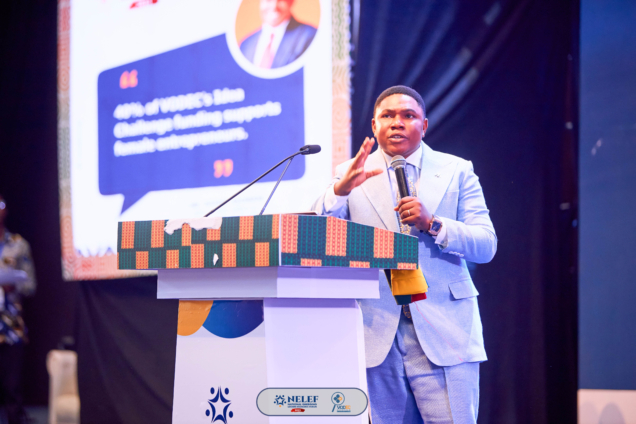
Chief Executive Officer of VODEC Africa, Daniel Asomani, sounded the warning, stressing that even young professionals earning as much as GH¢5,000 a month can no longer afford modest accommodation in Accra.
A Looming Crisis for Ghana’s Youth
Mr. Asomani cautioned that the soaring cost of rent and the country’s widening housing deficit risk fueling corruption and social instability among the youth.
He noted that the inability of young people to secure affordable housing is creating a frustrated generation that may turn to unethical means of survival.
“The housing deficit in our cities, coupled with monopolistic tendencies in the private sector, has created a situation where a young person earning GH¢5,000 monthly cannot afford even modest accommodation in Accra,” he said.
“This is a national security threat that risks fueling corruption and fraud among our emerging youth population.”
A Collaborative Solution
The VODEC Africa CEO called for a national partnership between the government, the private sector, and traditional authorities to address the crisis through smart urban development.
He proposed the creation of affordable, well-planned housing communities supported by essential infrastructure such as good roads, water, electricity, and drainage systems.
“This is not just about building houses,” he said. “It’s about building sustainable communities that can support Ghana’s growing youth population and prevent social unrest.”
A Call for Urgent Action
Mr. Asomani urged policymakers to take decisive action to expand affordable housing, regulate the rental market, and create fairer access to accommodation.
He emphasized that without urgent intervention, the crisis could deepen, threatening the stability of the country.
“The housing situation is a ticking time bomb,” he warned. “If we don’t act now, the frustration of young Ghanaians could boil over into something far more dangerous. The time for talk is over — the time for action is now.”
Latest Stories
-
Power restoration fault suspected in Kumasi Central Market fire
2 hours -
The 7-foot giant of Ngleshie Amanfro: Seven-foot Ghanaian Ephraim Saawa dreams of joining the national basketball team
2 hours -
Government promises support for Kumasi Central Market fire victims
3 hours -
Vibes The Movie: Big Ghun’s Ghanaian film earns five nominations at 2026 REFFA
3 hours -
MamaCare CEO warns unresolved conflicts among health workers could undermine maternal and neonatal care
3 hours -
Health professionals urged to translate medical knowledge into practice to save mothers
4 hours -
Conflicts among care providers linked to maternal, neonatal deaths – Expert
5 hours -
GIS marks 10th TIME conference, champions improved teaching practices
5 hours -
BRICS Or Balance? What Ghana’s bid really means
6 hours -
GPRTU wants full TRAFFITECH-GH implementation to start in 2027
6 hours -
Mahama announces plans to import electric wheelchairs for PWDs
6 hours -
KGL U17 Colts 2026: Western beat Prempeh Elite Academy to set up final final with Greater Accra Region
6 hours -
Late Solanke strike salvages 10-man Spurs draw at Man United
7 hours -
Gender Ministry to monitor welfare of Nana Akua Addo’s children amid domestic violence case
7 hours -
Benedict Okyere Yeboah: Ghana’s football problem goes beyond sacking a coach
7 hours