


Audio By Carbonatix
The CEO of VODEC Africa, Daniel Asomani, is calling for sweeping reforms in Ghana’s agricultural sector, insisting such a transformation could generate as many as two million jobs and drive stronger economic growth.
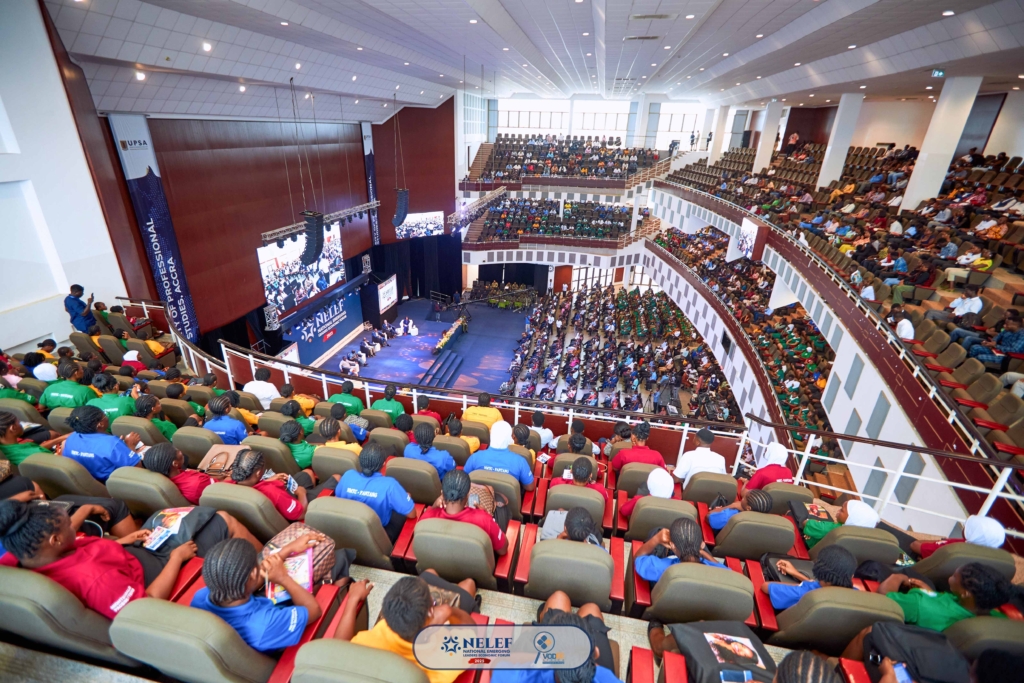
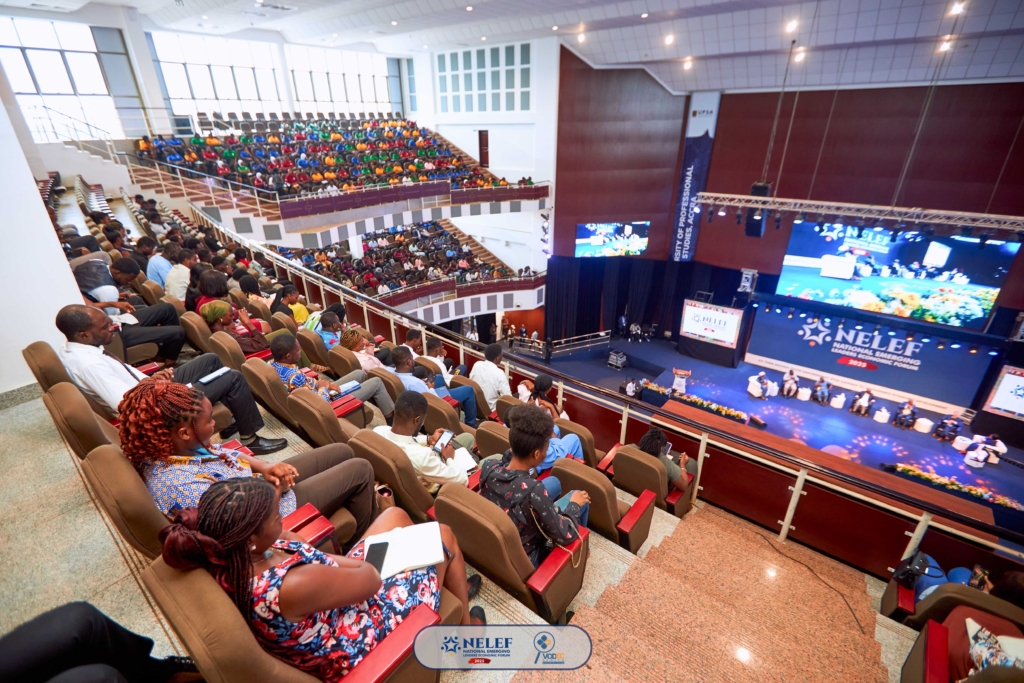
Speaking at the 2025 National Emerging Leaders Economic Forum (NELEF) held at the UPSA Auditorium, Mr. Asomani outlined a seven-pillar economic plan designed to reposition agriculture as a major growth engine.
He noted that the sector’s contribution to GDP currently stands at 18 per cent but stressed that with the right interventions, it could be scaled up to 25 per cent.
The Problem: An Underperforming Sector
Despite its immense potential, Ghana’s agricultural sector has been underperforming for years. A reliance on outdated farming methods, a lack of access to modern technology, and insufficient support for farmers have hampered productivity and limited the sector’s ability to create jobs and drive economic growth. Asomani emphasized that this is a missed opportunity that Ghana can no longer afford.
The Solution: A Green Revolution
The VODEC Africa CEO outlined a multi-pronged approach to revitalizing the agricultural sector. This includes a major push to boost cash crop production, the establishment of agro-processing zones to add value to agricultural products, and the empowerment of farmer cooperatives with access to modern technology and training.

This “Green Revolution,” Mr Asomani argued, would not only ensure food security but also create a vibrant, export-oriented agricultural economy.
A key component of this plan is a focus on empowering women in agriculture. VODEC Africa has already committed to allocating 40 per cent of its Idea Challenge funding to support female entrepreneurs, with a particular focus on industries like shea butter processing, which provides a livelihood for over 600,000 women.
“With our fertile lands and favorable climate, we can boost cash crop production, processing, and exports, while making products accessible to locals. By establishing agro-processing zones, farmer cooperatives with modern technology, and becoming West Africa’s food basket, we can create 2 million jobs and increase agriculture’s GDP contribution from 18% to 25%,” Mr Asomani stated.
The Call to Action: Investing in a Food-Secure Future
Mr Asomani’s address was a powerful call to action for both the government and the private sector to invest in the modernization of Ghana’s agricultural sector.
He stressed that this is not just an economic issue but a matter of national security, noting that a food-secure Ghana is a stable and prosperous Ghana.
Latest Stories
-
Power restoration fault suspected in Kumasi Central Market fire
2 hours -
The 7-foot giant of Ngleshie Amanfro: Seven-foot Ghanaian Ephraim Saawa dreams of joining the national basketball team
3 hours -
Government promises support for Kumasi Central Market fire victims
3 hours -
Vibes The Movie: Big Ghun’s Ghanaian film earns five nominations at 2026 REFFA
4 hours -
MamaCare CEO warns unresolved conflicts among health workers could undermine maternal and neonatal care
4 hours -
Health professionals urged to translate medical knowledge into practice to save mothers
4 hours -
Conflicts among care providers linked to maternal, neonatal deaths – Expert
6 hours -
GIS marks 10th TIME conference, champions improved teaching practices
6 hours -
BRICS Or Balance? What Ghana’s bid really means
6 hours -
GPRTU wants full TRAFFITECH-GH implementation to start in 2027
7 hours -
Mahama announces plans to import electric wheelchairs for PWDs
7 hours -
KGL U17 Colts 2026: Western beat Prempeh Elite Academy to set up final final with Greater Accra Region
7 hours -
Late Solanke strike salvages 10-man Spurs draw at Man United
7 hours -
Gender Ministry to monitor welfare of Nana Akua Addo’s children amid domestic violence case
7 hours -
Benedict Okyere Yeboah: Ghana’s football problem goes beyond sacking a coach
7 hours