

Audio By Carbonatix
Senior Vice President of MTN Group, Ebenezer Asante, has called for targeted reforms and innovative business models to reduce the growing risks confronting Ghanaian businesses, particularly those operating informally and within highly concentrated sectors.
Speaking at the Arganbright Partners Convergence Conference under the theme “Governance and Ethics in the 21st Century: A Path to Sustainable Value Creation,” Mr. Asante warned that businesses heavily reliant on a single industry remain vulnerable to economic shocks.
According to him, the situation becomes even more challenging when businesses operate outside formal structures.
“In Ghana, it's almost like if your business is mostly dependent on one sector or the other, the risk is very, very high. When the business runs informally, the risk is even higher,” he said.
Mr. Asante stressed the need for tailored policies and regulatory frameworks that support indigenous enterprises and strengthen their long-term sustainability.
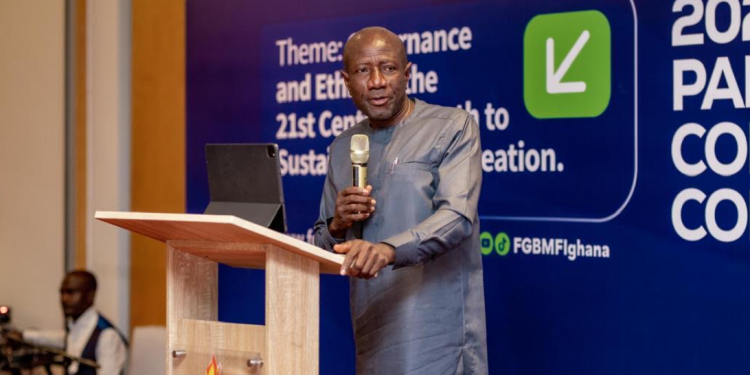
“We need bespoke regulatory frameworks to support some of the made-in-Ghana businesses,” he stated.
He noted that some local businesses are already adopting strategies to reduce exposure by seeking capital market opportunities and introducing more structured governance systems.
“Some of these heavily concentrated businesses are beginning to go to the stock market and finding innovative ways of diversifying risk and helping to formalize and professionalize the way businesses run,” he added.
The MTN executive also challenged business leaders and academic institutions to build locally relevant business models rooted in Ghanaian success stories rather than relying predominantly on foreign examples.
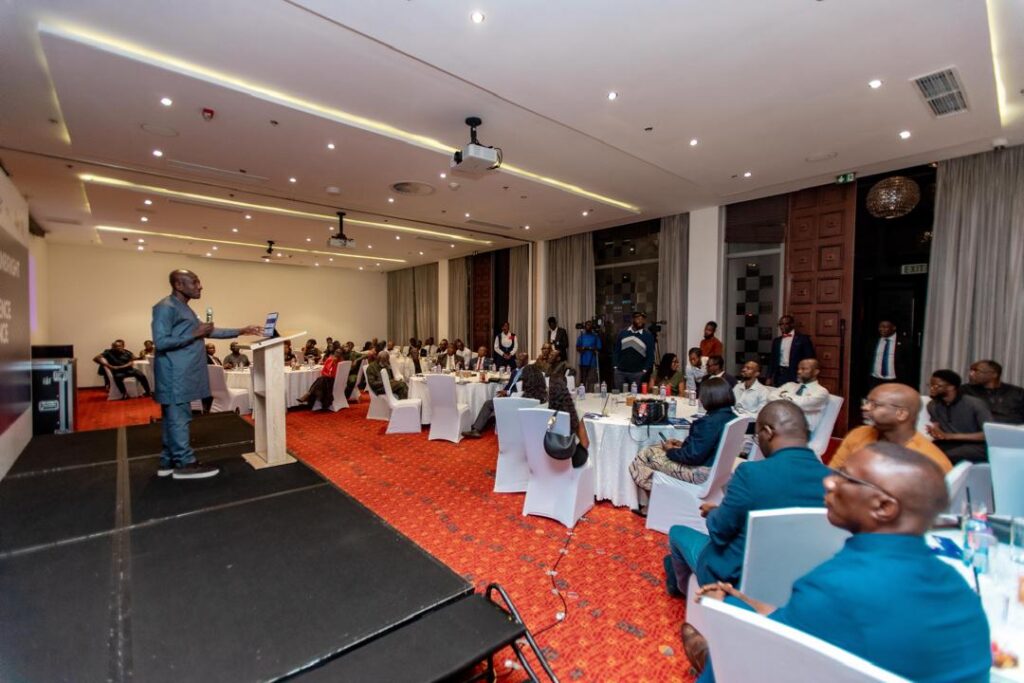
“The business case we need to develop is not the Harvard business case. We need business cases that show how people have grown their businesses from Makola to where they are today,” he said.
He further called on state institutions and universities to champion reforms that create an enabling environment for business growth, innovation, and sustainable value creation.
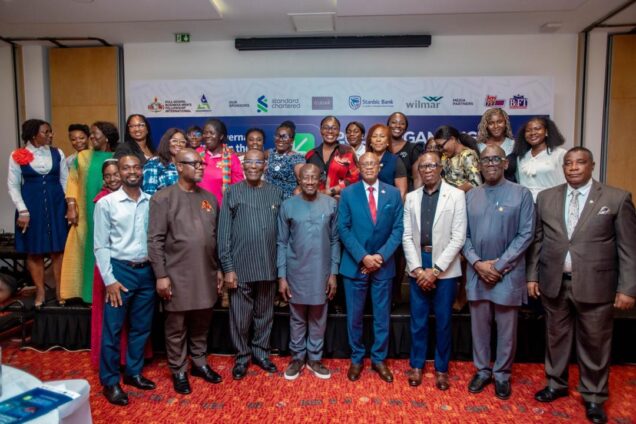
The conference brought together business executives and stakeholders to deliberate on governance, ethical leadership, and strategies for building resilient businesses in a changing economic environment.
Latest Stories
-
LA 2028: Black Queens hold final training session ahead of second leg against Mauritius
10 minutes -
Standards are not Seasonal: What the EC appointments teach both sides
24 minutes -
King Mohammed VI urges private sector to create youth jobs and spread benefits of growth
24 minutes -
KGL U17 Colts 2026: Greater Accra win title after penalties win over Western Region
24 minutes -
UK Investment Roadshow opens in London to advance UK-Ghana growth partnership
36 minutes -
Assemblies of God requires pastors to resign before entering partisan politics – Rev. Wengam
45 minutes -
Ghana targets 20% annual reduction in maternal deaths – Health Minister
50 minutes -
Cyber attacks in Africa grow faster than global rate, report finds
52 minutes -
Ghana signs UAE deal to create 5,000 overseas jobs
59 minutes -
One Million Coders Programme targets 100,000 digital jobs in two years – Sam George
1 hour -
John Jinapor, Italian Ambassador explore opportunities for energy sector investment
1 hour -
NHIA seeks legal reforms to support Free Primary Healthcare
1 hour -
Beatrice Annan defends Afi Agbenyo’s EC appointment, cites record of gender advocacy
1 hour -
Ghana seeks investment deals in Bangkok amid global economic crises
1 hour -
IMF raises Ghana’s 2026 growth forecast to 5.7%, sees inflation falling to 4.8%
1 hour