

Audio By Carbonatix
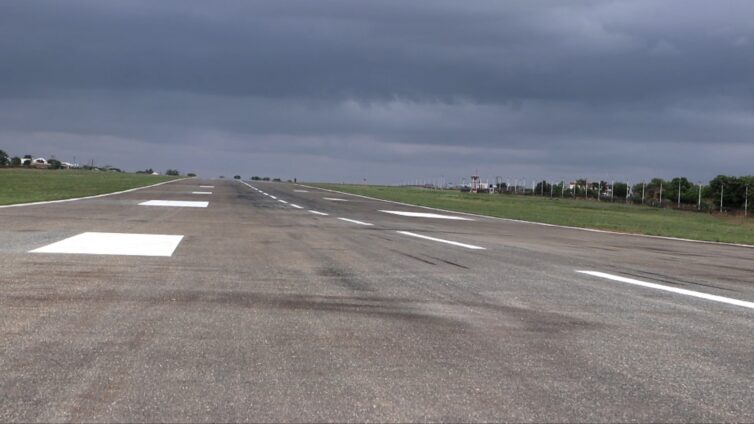
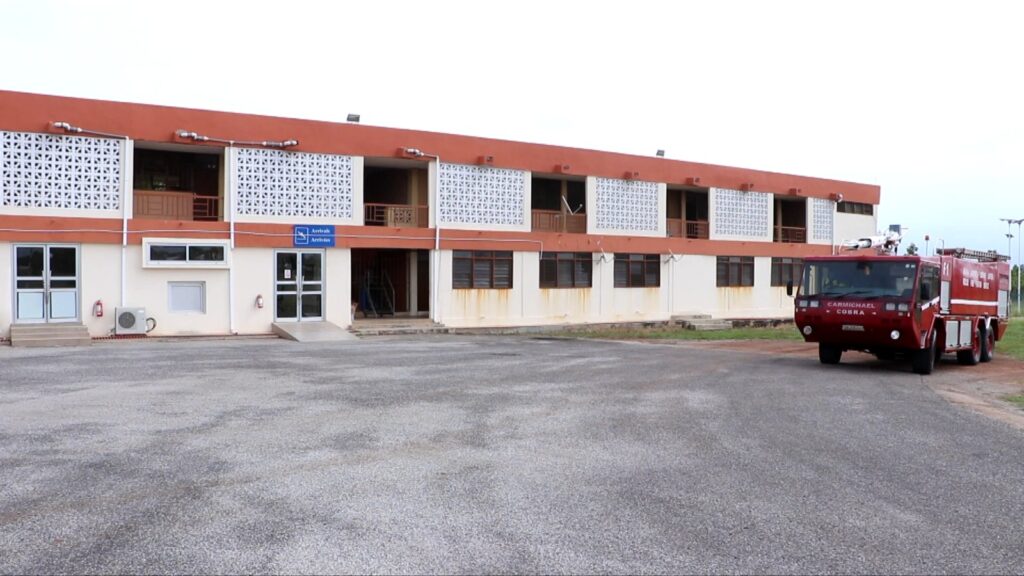
An urgent call for the demolition of encroaching structures, a ban on near-airport farming, and the strict prosecution of sanitation offenders dominated a high-level stakeholder engagement convened by the Ghana Airports Company Limited (GACL) to address escalating wildlife hazards at the Wa Airport.
The forum, held at the Regional Coordinating Council Hall, brought together aviation officials, traditional leaders, and local government officials to confront the severe safety risks posed by bird strikes and stray animals crossing the strategic runway.
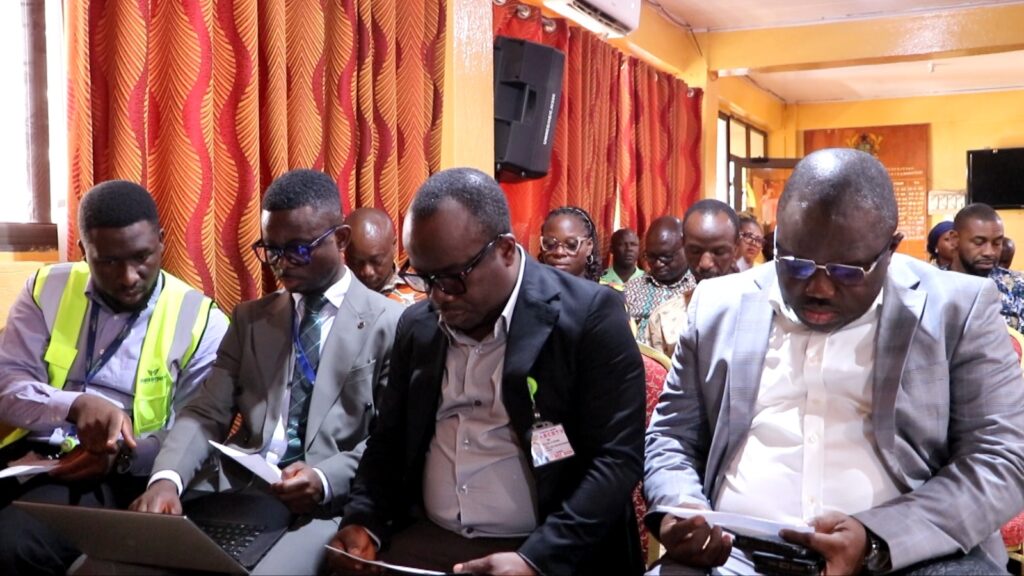
Detailing the severity of the crisis, GACL Manager for Wildlife Management, Adams Seidu, revealed that over 200 bird species, predominantly the Yellow-billed Kite and African Wattled Lapwing, have been identified within a 13-kilometre radius of the facility.
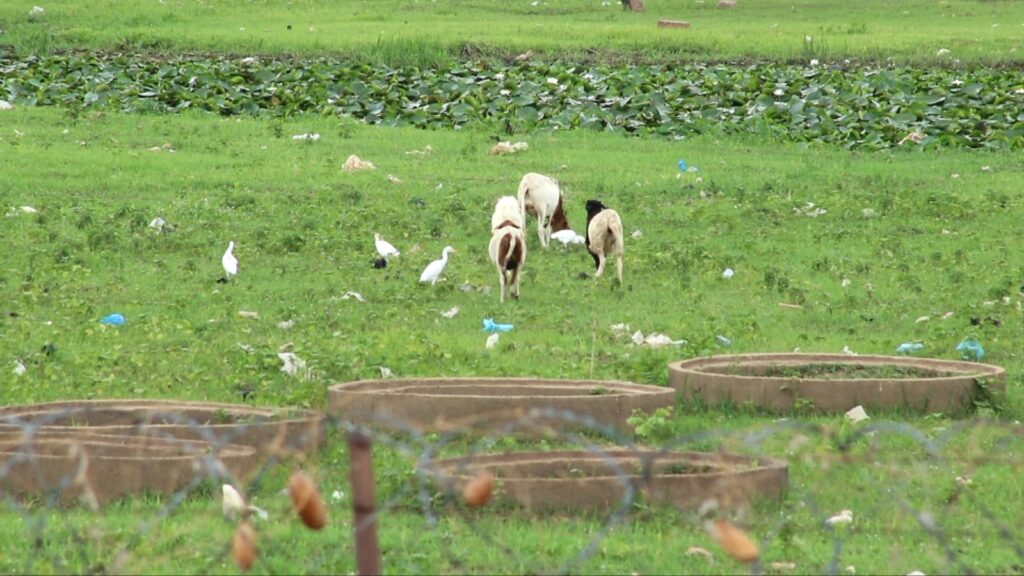
He attributed this dangerous concentration to human activities, citing open waste dumping, an uncovered abattoir, and weak enforcement of municipal sanitation bylaws as primary attractants.
The immediate threat to incoming flights is further exacerbated by agricultural activities.
Wa Airport Manager Eric Nartey Yeboah issued a strong appeal for a ban on grain farming in the waterlogged areas surrounding the airport, noting that rice and maize crops frequently attract flocks of more than 300 birds that can dangerously cross the flight path within seconds.
During the open forum, frustrations over enforcement failures ran high. Former Upper West Regional Chairman of the Ghana Journalists Association, Suala Abdul Wahab, recounted a harrowing near-disaster in 2008 when an aircraft carrying former Vice President Aliu Mahama nearly crashed due to a goat on the runway.
Mr Wahab expressed dismay that houses marked for demolition to secure the airport perimeter remain untouched, while new unauthorised structures are actively being built.
A former Wa District Chief Executive and Paramount Chief of Busa, Naa Seidu Pelpuo Yelemaana, who is also Chairman of the New Airport Site Committee, challenged the region to take responsibility for its waste.
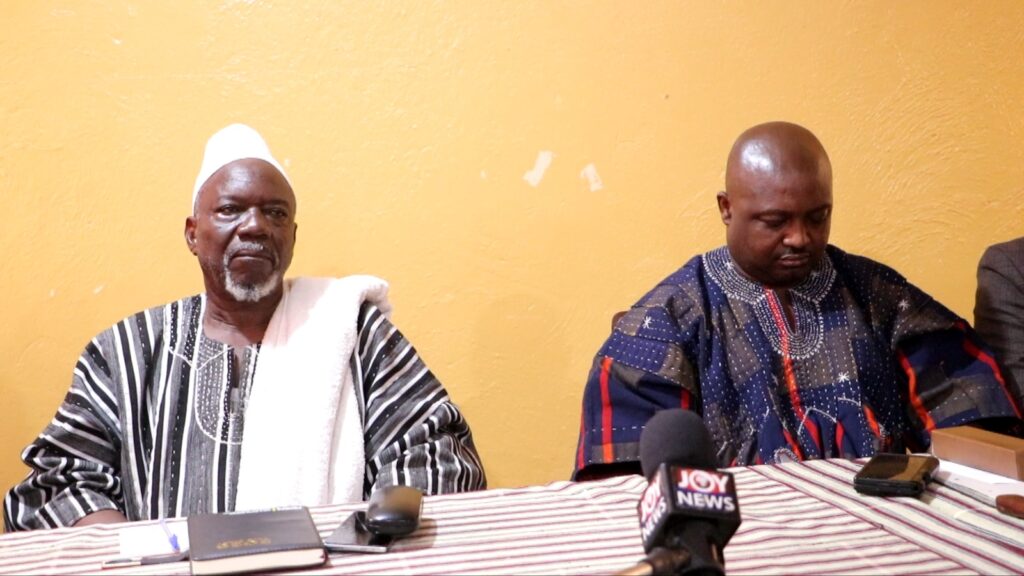
He recalled how Wa transformed from the dirtiest town in 1996 to the cleanest by 1998, proving that the current sanitation crisis can be overcome with a decisive shift in public attitude.
Upper West Regional Minister Charles Lwanga Puozuing delivered a stern rebuke of the local culture of political interference, condemning the practice of influential individuals shielding offending relatives from paying sanitation fines.
He framed the municipal filth not just as an aviation hazard, but as a severe existential threat to the Upper West Region.
“Beyond drug abuse in Upper West, the next thing is sanitation,” the Regional Minister warned.
“For me, those are the two biggest problems in Upper West, drug abuse and sanitation. The rest we can manage, but these two are key issues that can destroy most of us.”
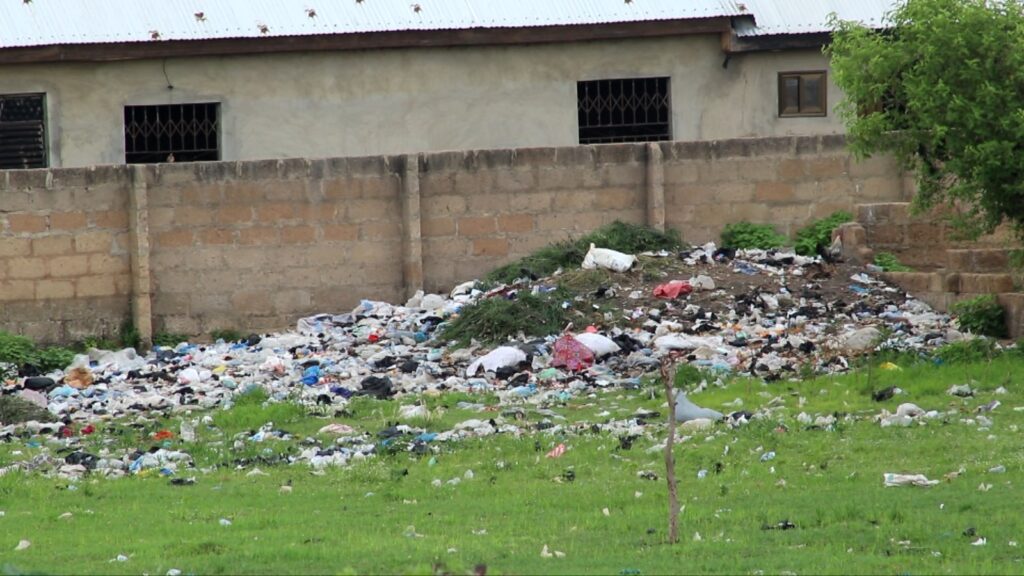
Acknowledging the severe resource constraints faced by the local government, the Minister appealed to GACL to assist the assemblies by providing much-needed waste skips to help curb indiscriminate dumping near the airport.
Responding to the appeal, Kwadwo Abrefa Sarkodie, Director of Airports Management, clarified the company’s financial boundaries. While noting that wildlife hazard management is a “shared responsibility,” he stressed that GACL cannot shoulder the financial burden of municipal waste management.
He urged the Regional Coordinating Council to prioritise sanitation in its budget and warned leaders to fiercely protect both the current facility and the proposed new airport lands from further encroachment.
Reinforcing this stance, Adams Seidu issued his own appeal to the local assemblies, urging them to formalise their approach to the crisis. Seidu called for the establishment of clear objectives and terms of reference to track regional progress.
Challenging the local authorities to look inward first, he asked, “Before we start thinking about financial support from GACL, what resources do we currently have and how can we pool them together?”
To ensure the engagement yields tangible results, Minister Puozuing concluded the forum by taking direct administrative control over future stakeholder participation. Noting a local trend of officials ignoring invitations, he issued a strict new directive.
“I’ve asked that when the time comes, Ghana Airports Company writes the invitation to me and lists those who are supposed to be invited,” the Regional Minister declared, emphasising that all future quarterly meeting notices will be routed directly through his office to guarantee attendance and accountability.
Latest Stories
-
Vibes The Movie: Big Ghun’s Ghanaian film earns five nominations at 2026 REFFA
29 minutes -
MamaCare CEO warns unresolved conflicts among health workers could undermine maternal and neonatal care
53 minutes -
Health professionals urged to translate medical knowledge into practice to save mothers
59 minutes -
Conflicts among care providers linked to maternal, neonatal deaths – Expert
3 hours -
GIS marks 10th TIME conference, champions improved teaching practices
3 hours -
BRICS Or Balance? What Ghana’s bid really means
3 hours -
GPRTU wants full TRAFFITECH-GH implementation to start in 2027
3 hours -
Mahama announces plans to import electric wheelchairs for PWDs
4 hours -
KGL U17 Colts 2026: Western beat Prempeh Elite Academy to set up final final with Greater Accra Region
4 hours -
Late Solanke strike salvages 10-man Spurs draw at Man United
4 hours -
Gender Ministry to monitor welfare of Nana Akua Addo’s children amid domestic violence case
4 hours -
Benedict Okyere Yeboah: Ghana’s football problem goes beyond sacking a coach
4 hours -
GPL 2026/27: Darkwah Wiafe’s winner sees All Blacks beat Kotoko
4 hours -
ITF World Tour : Patel Wins Boys’ Singles Final at J100 Accra
5 hours -
Ghana must pursue BRICS partnership if it brings economic benefits – Kpebu
5 hours