

Audio By Carbonatix
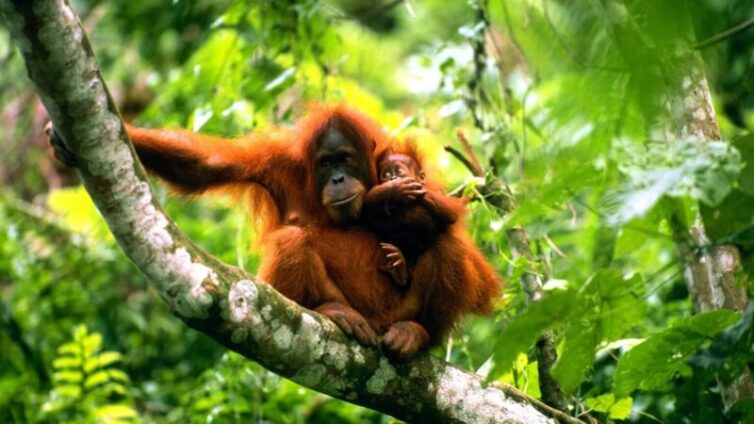
Human activity is continuing to drive what conservation charity the World Wide Fund for Nature (WWF) calls a "catastrophic" loss of species.
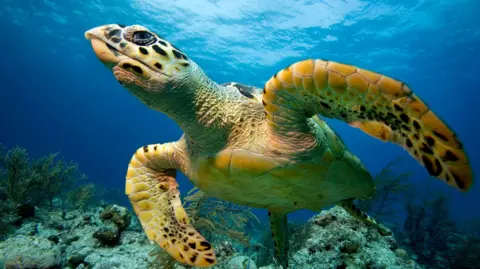
From elephants in tropical forests to hawksbill turtles off the Great Barrier Reef, populations are plummeting, according to a stocktake of the world's wildlife.
The Living Planet Report, a comprehensive overview of the state of the natural world, reveals global wildlife populations have shrunk by an average of 73% in the past 50 years.
The loss of wild spaces was "putting many ecosystems on the brink", WWF UK head Tanya Steele said, and many habitats, from the Amazon to coral reefs, were "on the edge of very dangerous tipping points".
The report is based on the Living Planet Index of more than 5,000 bird, mammal, amphibian, reptile and fish population counts over five decades.
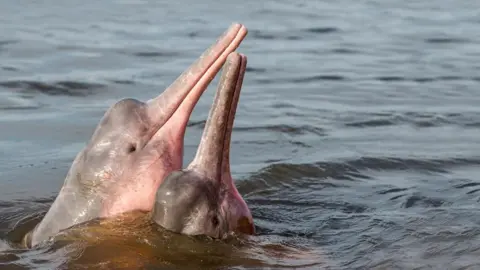
Among many snapshots of human-induced wildlife loss, it reveals 60% of the world's Amazon pink river dolphins have been wiped out by pollution and other threats, including mining and civil unrest.
It also captured hopeful signs of conservation success.
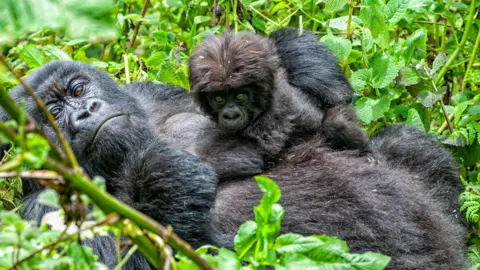
A sub-population of mountain gorillas in the Virunga Mountains of East Africa increased by about 3% per year between 2010 and 2016, for example.
But the WWF said these “isolated successes are not enough, amid a backdrop of the widespread destruction of habitats”.
Tom Oliver, professor of ecology at the University of Reading, who is unconnected with the report, said when this information was combined with other datasets, insect declines for example, "we can piece together a robust - and worrying - picture of global biodiversity collapse”.
The report found habitat degradation and loss was the biggest threat to wildlife, followed by overexploitation, invasive species, disease, climate change and pollution.
Lead author and WWF chief scientific adviser Mike Barrett said through human action, "particularly the way that we produce and consume our food, we are increasingly losing natural habitat”.
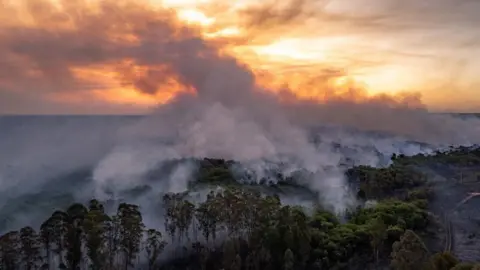
The report also warns nature loss and climate change are fast pushing the world towards irreversible tipping points, including the potential "collapse" of the Amazon rainforest, whereby it can no longer lock away planet-warming carbon and mitigate the impacts of climate change.
"Please don't just feel sad about the loss of nature," Mr Barrett said.
"Be aware that this is now a fundamental threat to humanity and we've really got to do something now.”
Valentina Marconi, from the Zoological Society of London’s Institute of Zoology, told BBC News the natural world was in a "precarious position" but with urgent, collective action from world leaders "we still have the chance to reverse this".
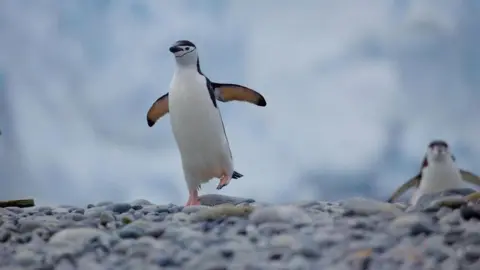
This alarm call for the planet's wildlife comes as world leaders prepare to gather for the United Nations Biodiversity Conference, in Colombia, to discuss how to restore nature.
Almost 200 countries have committed to a landmark 2022 UN agreement to tackle nature loss, including setting aside 30% of the planet for nature by 2030.
The UK has signed up to the pledge, with the foreign secretary announcing the climate issue and decline in nature would be "central" to government policy.
Ms Steele said the report was an "incredible wake-up call".
"Healthy ecosystems underpin our health, prosperity and wellbeing," she told BBC News.
"We don't think this sits on the shoulders of the average citizen - it's the responsibility of business and of government.
"We need to look after our land and our most precious wild places for future generations."
Latest Stories
-
Ofori-Sarpong named Alumni President of the Year, honoured for PRESEC dormitory project
32 minutes -
Germany commits $132m to Ghana for skills development and training university – Pelpuo
33 minutes -
‘Influence should go beyond visibility’ – Taadi Banyinba GH launches The TB Impact
37 minutes -
Videos: Government announces emergency LEAP package for Hohoe flood victims
42 minutes -
Salomey Baffoe’s children are crying for their mother – Family appeals for her release
44 minutes -
Shortage of trained investigators and prosecutors hampers Ghana’s fight against money laundering – Report
44 minutes -
GoldBod generates US$1.87bn in September FX operations, exceeding monthly target
44 minutes -
Roads Minister says it is time to change one-year defect liability period for contractors, consultants
45 minutes -
Nana Asamoah takes Highlife across five West African languages
52 minutes -
UNICEF Ghana launches first Children’s Film Festival to amplify children’s voices
56 minutes -
Ghana must close gaps that allow drug trafficking – Dr Pelpuo
1 hour -
Emmanuel Osei: President Mahama, dissolve GFA and save our soul
1 hour -
Uganda Airlines to launch direct Accra-Entebbe flights from October 27
1 hour -
Ghana records surge in 2025 tourism receipts as Ahafo Region honors top industry players
1 hour -
I don’t have an official car, I use my own – Pelpuo
2 hours