

Audio By Carbonatix
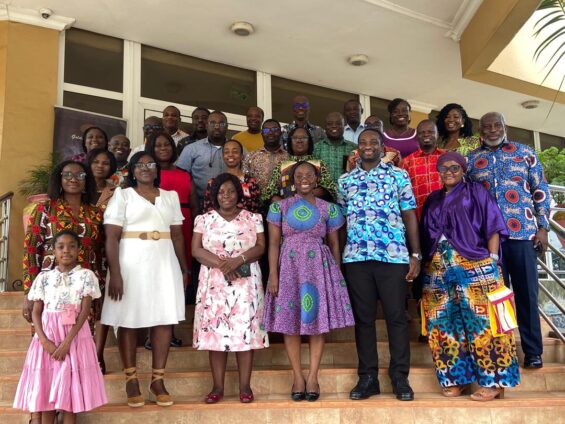
Ghana has validated its first-ever National Paediatric Imaging Protocol, a major step aimed at improving the diagnosis, treatment planning and research into childhood cancers amid a worrying rise in new cases across the country.
The protocol, developed by World Child Cancer in collaboration with the Ministry of Health and technical health experts, is expected to standardise imaging practices for children and address long-standing gaps in paediatric radiology services.
Health stakeholders say the initiative comes at a critical time, with data from the country’s two main paediatric oncology centres indicating an increase in childhood cancer cases in recent years.
Speaking at the validation exercise, Country Director of World Child Cancer, Adwoa Pinamang Desu, said the development process began in 2004 after it was identified that Ghana had no dedicated imaging guidelines for children.
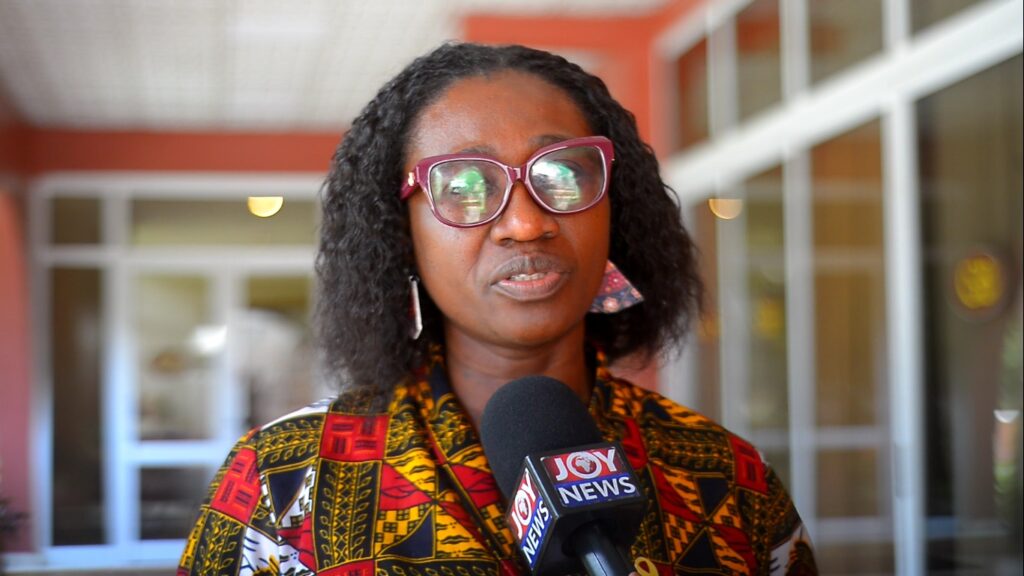
“As an organisation, this guideline holds significance meaning to us, and to but not limited to children, clinicians and everyone in the paediatric space,” she said, adding that the protocol would improve access to proper and timely treatment.
She assured that inputs from stakeholders would be incorporated into the final document and implemented nationwide.
Specialist paediatrician Dr Yvonne Addo described the rising number of cases as alarming, noting that improved diagnostics are also revealing a higher disease burden than previously recorded.
“At KATH, we used to record between 100 and 130 each year. Last year, we recorded 160 new cases. This first quarter, we have seen a jump; we recorded 65 new cases,” she said.
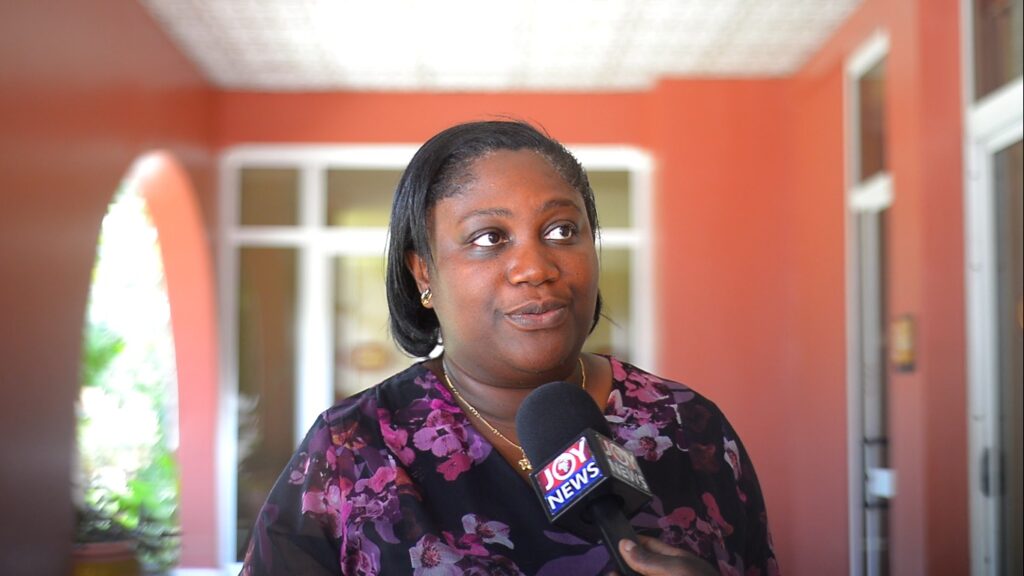
She added that global estimates suggest Ghana should be recording between 1,000 and 1,400 childhood cancer cases annually, stressing that gaps in diagnosis and treatment remain a major concern.
Head of Radiology at the Komfo Anokye Teaching Hospital, Dr Augustina Badu Peprah, also underscored the need for the new protocol, explaining that Ghana previously relied on adult imaging standards for children.
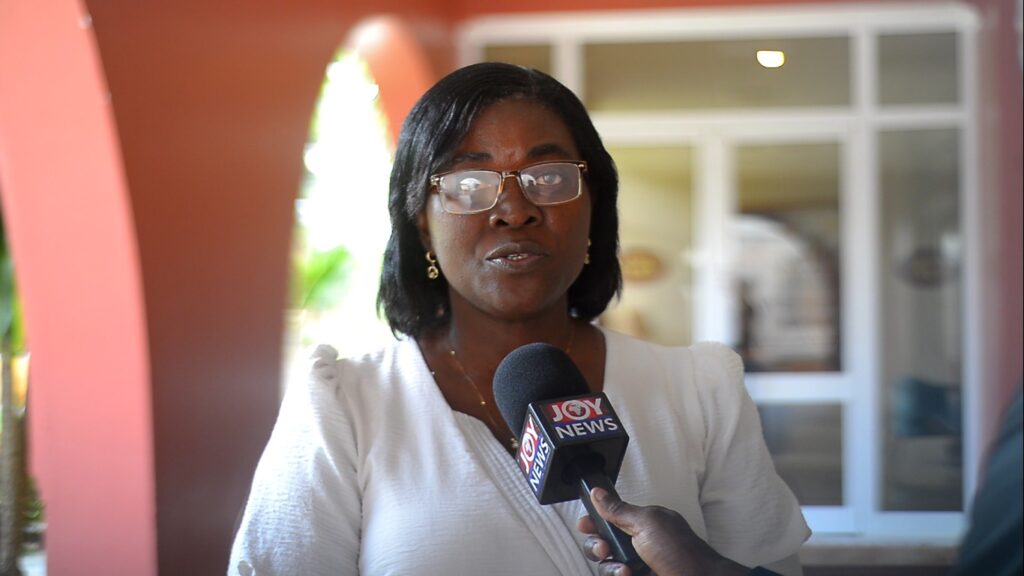
“Children are not small adults. They have different biological structures and makeups, and are prone to cancers if they receive unnecessary radiation,” she said.
She warned that inconsistent imaging practices often force children to undergo repeat scans when referred to tertiary hospitals, increasing both financial burden and health risks.
The new protocol is expected to harmonise imaging procedures nationwide, reduce unnecessary radiation exposure, and improve the accuracy of diagnosis and treatment planning for childhood cancers.
Health authorities say its implementation will also support research and strengthen Ghana’s overall paediatric oncology response as cases continue to rise.
Latest Stories
-
Tarkwa court jails labourer for three years over GH¢123,000 theft
32 minutes -
GAEC must retain nuclear scientists for Ghana’s nuclear ambitions – Minister
1 hour -
Man reportedly mistaken for game and shot by hunter dead in forest
1 hour -
19-year-old mason jailed 15 years for defiling seven-year-old pupil
1 hour -
Ghana’s banking sector assets rise 20.47% to GH¢500.2bn – BoG Governor
1 hour -
22 injured as Sprinter bus overturns at Sege after tyre burst
1 hour -
UN housing expert urges Ghana to strengthen Rent Control Department amid housing affordability concerns
1 hour -
Delta-BCI partnership reaches 166,000 people with breast cancer education
2 hours -
Power restoration fault suspected in Kumasi Central Market fire
7 hours -
The 7-foot giant of Ngleshie Amanfro: Seven-foot Ghanaian Ephraim Saawa dreams of joining the national basketball team
7 hours -
Government promises support for Kumasi Central Market fire victims
7 hours -
Vibes The Movie: Big Ghun’s Ghanaian film earns five nominations at 2026 REFFA
8 hours -
‘I’m a fulfilled man’—Justice Korbieh on missing out on Supreme Court despite two nominations
8 hours -
MamaCare CEO warns unresolved conflicts among health workers could undermine maternal and neonatal care
8 hours -
Health professionals urged to translate medical knowledge into practice to save mothers
9 hours