

Audio By Carbonatix
With the rising demand for technically skilled labour coupled with the fast penetration of African-made products into the global mainstream, there has been the need to enhance technical education and training to meet industry requirements.
This has led to the accreditation of the Precision Quality (PQ) curriculum by the Council for Technical and Vocational Education Training (COTVET).
Speaking at a ‘training for trainers’ workshop for facilitators of the PQ curriculum in Accra on Friday, CEO of Design and Technology Institute, Constance Swaniker, entreated Mastercraft persons, Small and Medium Scale Enterprises (SMEs) as well as Technical Universities and Trainees in the TVET space to embrace precision quality standards.
According to her, Ghanaian artisans, through observation have shown a negative mindset towards quality and precision.
“What we realized was that there is a mindset problem in this country and that artisans don’t understand what precision standards should look like."
"And so artisans do anything anyhow and expect that the consumer accepts it or understand that if it looks good to them then it should be fine. But we are competing in a very global environment where precision quality should mean a lot,” she said.
Miss Swaniker projected that Ghanaian mastercraftsmen will attract more customers once they begin to embrace precision quality and young people will enter industry understanding what industry standards should look like. This she believes will create at least 40,000 jobs in the ensuing years.
“The beneficiaries of the PQ training in partnership with the MasterCard Foundation are for 5,000 mastercraftsmen, 5000 students in technical universities and then 1000 SMEs."
"But we are looking at the multiply effect of once precision quality standards are embraced which means that master craftsmen should be able to now attract more customers, young people will now enter the industry understanding what industry standards should look like. And so we are looking at the ripple effect of creating 40,000 direct and indirect jobs as a result of these people embracing precision quality standards," she added.
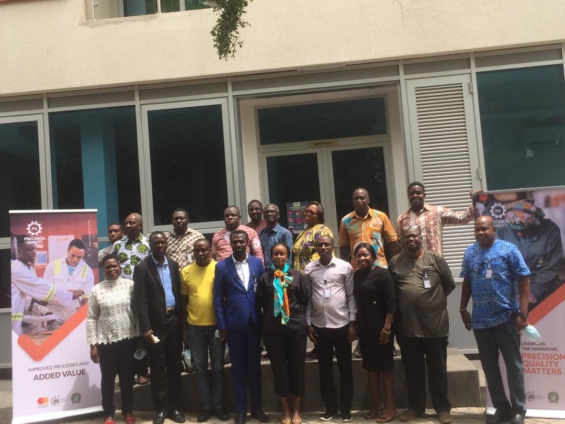
The five-day training workshop which was organized by the Design and Technology Institute in partnership with the MasterCard Foundation started on Monday March 29, 2021 and ended on Friday April 2, 2021 with a total of 12 participating consultants and trainers from various institutions in the country.
One of the participants, Owu-Ewie Ebenezer while expressing worry over the inability of local products to enter the international market due to conditions such as poor finishing and packaging said that the Precision Quality module will provide them with skills to look beyond how products fare in the local market but also that of the international market.
Latest Stories
-
At least 30 feared dead in crush at Haitian tourist site
26 minutes -
Four arrested over murder of Scottish businessman in Kenya
35 minutes -
New Mainoo deal closer, says Man Utd boss Carrick
46 minutes -
Sinner beats Alcaraz to return to world top spot
57 minutes -
An inappropriate joke nearly ended his career. Now he’s back with more humour
1 hour -
GPL 2025/26: Dreams FC stage stunning comeback to hammer Eleven Wonders
2 hours -
Livestream: The Probe examines Kumasi’s looming water crisis
2 hours -
MTN Ghana gears up to lead Africa’s AI revolution
2 hours -
Philanthropist Alhaji FuZak donates Da’wah bus to Ambariya Sunni community
2 hours -
GUTA calls for suspension of Publican AI system over trade disruptions
3 hours -
TTAG raises alarm over proposed recruitment of 7,000 teachers, demands national posting roadmap
3 hours -
Civilians feared killed after reports of air strike on Nigerian market
3 hours -
Bishop Simon Kofi Appiah installed as new Jasikan Diocese Bishop
3 hours -
Trump’s Strait of Hormuz blockade threat raises risks and leaves predicaments unchanged
3 hours -
US Court backs extradition of former MASLOC CEO Sedina Tamakloe-Attionu to Ghana
4 hours