

Audio By Carbonatix
As climate change continues to threaten food security in Ghana, a new homegrown solution is giving struggling farmers a renewed sense of hope. Organic Farming Aid (OFA), a cost-effective and environmentally friendly product, is helping farmers across the country boost crop yields, improve soil health, and reduce the impact of extreme weather.
In communities from Ashanti to the Northern Region, farmers who once feared for their livelihoods are now seeing change. One such farmer is Frimpong Manso from Ayenasu in the Ejura Sekyeredumase Municipality of the Ashanti region. For years, Frimpong watched his maize yields decline as soil fertility dropped and rainfall became more erratic.
“I was struggling to make ends meet,” he says. “But after using OFA, my maize crops started growing beautifully. And I’ve spent less money this season.”
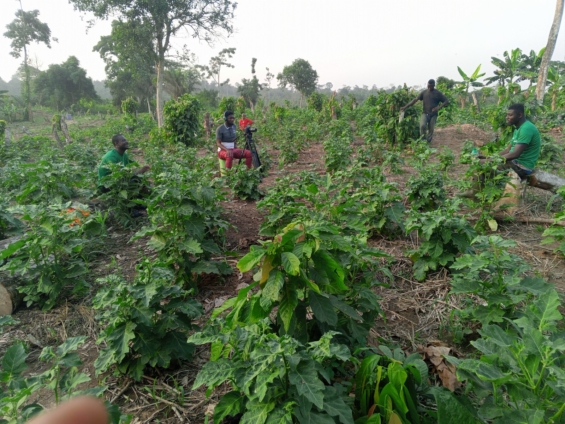
Farmers like Musah Zakari, Solomon Tettey, and Amina Braimah in Konongo also share similar experiences. Their garden egg farms, once plagued by pests and poor yields, are now thriving.
“Our garden looks so green and healthy. We’re expecting a bumper harvest,” Musah explains.
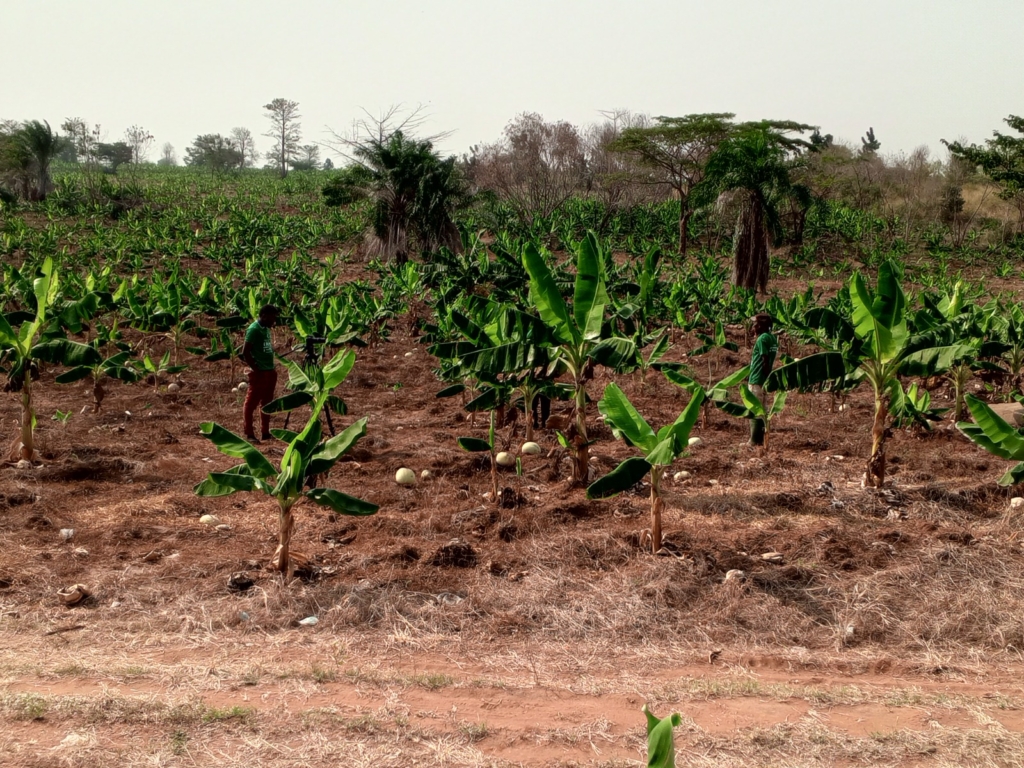
OFA is making a big difference, especially for farmers with larger operations. In Agogo, 64-year-old Samuel Frimpong has farmed plantain on 70 hectares since 2002. Rising fertiliser and labour costs had nearly pushed him out of business.
“I used to buy 70 bags of fertiliser and spend 500 cedis daily on labour. But the costs kept rising, and my yields dropped,” Samuel recalls. “Now, OFA is helping turn things around.”
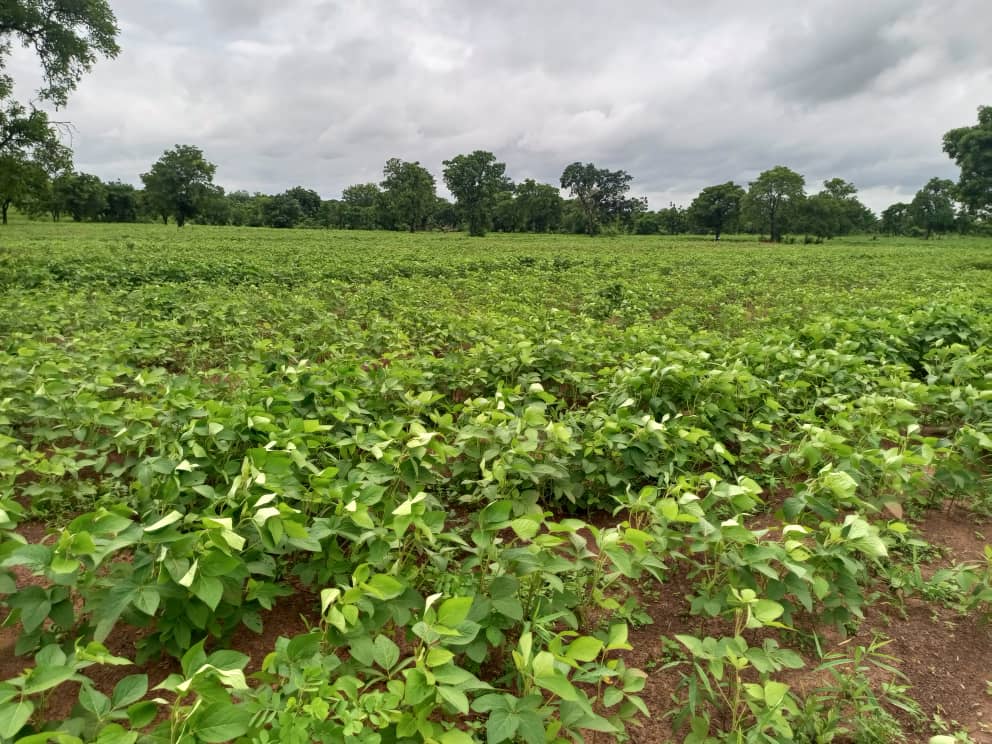
In Kumbungu, farmers like Isaiah Yahaya Moses and Seini Abdul Rafiu are seeing healthier crops and more stable harvests despite ongoing climate challenges.
“I started using OFA, and it’s been a blessing. My crops are thriving,” Isaiah notes.
At the HJA 4th Annual Forum in Tamale in the Northern region, dozens of farmers gathered to share their stories of transformation. Chief agronomist for HJA Africa, the producers of OFA, Gilbert Osei, says the product’s eco-friendly properties make it a standout option.
“OFA is safe for both farmers and consumers. It reduces stress on crops, improves shelf life, and boosts profits,” Gilbert explains.
Chief Executive Officer of OFA, Henry Abraham, says the product has not only improved productivity but has also helped farming communities earn more. “In 2024 alone, OFA has contributed an estimated $20 million in increased incomes to farmers,” he says. “This is a Ghana-made solution, and it’s making farming more sustainable and rewarding.”
As Ghana faces the growing threat of changing weather patterns, OFA is proving to be more than just a product—it’s a lifeline for thousands of farmers who are fighting to keep their lands productive and their families fed.
Latest Stories
-
Ghana’s economy now resilient enough to withstand external shocks – Mahama
16 minutes -
Cocoa price adjustment painful but necessary to sustain sector – COCOBOD CEO
23 minutes -
No single African country will be treated in a manner that is preferential or advantageous – Patrice Motsepe
41 minutes -
Removal of GH₵1 levy won’t automatically lower pump prices – Arko Nokoe
54 minutes -
Decision to strip Senegal of AFCON title reflects independence of institutions – CAF President
59 minutes -
Energy Committee Vice Chair assures Ghanaians on stability amid fuel prices
1 hour -
Mahama hails 48 Engineer Regiment after successful disaster recovery mission in Jamaica
1 hour -
Rising crude prices expose flaws in ‘One Ghana Cedi’ levy – NPP MP
2 hours -
TechServe Employability Programme launched to deploy females in ICT into startups
2 hours -
Parliament passes Security and Intelligence Agencies Bill, renames NIB to BNI
2 hours -
Ghana’s fuel supply secure, but prices remain uncertain – Bulk Oil Distributors
2 hours -
Adu Boahene’s case: I’m not aware of theft or missing GH¢49m – Prosecution witness tells court
3 hours -
Ghana Deposit Protection Amendment Bill 2025 passed
3 hours -
Minority Leader warns of neglect in agriculture amid focus on gold for reserves
3 hours -
Minority alleges ‘state capture’ in mining sector, points to Ibrahim Mahama’s influence
3 hours