

Audio By Carbonatix
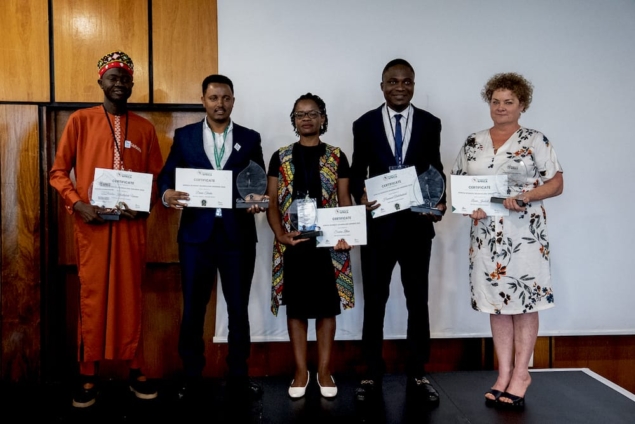
Ghanaian Investigative Science journalist, Ibrahim Khalilulahi Usman has won the Best News Story / Feature Category at the Africa Science Journalism for his investigative piece on coastal erosion in Ghana.
Now in its second phase, the awards organised by the Science For Africa Foundation seek to honour journalists whose reporting strengthens public understanding of science and combats misinformation across the continent.
The announcement was made during the just-concluded 13th World Conference of Science Journalists in Pretoria, South Africa, marking the event's first-ever African host.
“These awards recognize more than excellence. We celebrate the vital forces behind it,” stated Dr. Evelyn Gitau, Chief Scientific Officer, SFA Foundation. “The courage to investigate, the persistence to verify, and the creativity to translate —these are the qualities our finalists exemplified. Each winner has used their talent not just to report, but to ignite public curiosity, safeguard factual discourse, and demonstrate that science is not locked away in institutions. It is a living, breathing part of Africa's daily life and future.”
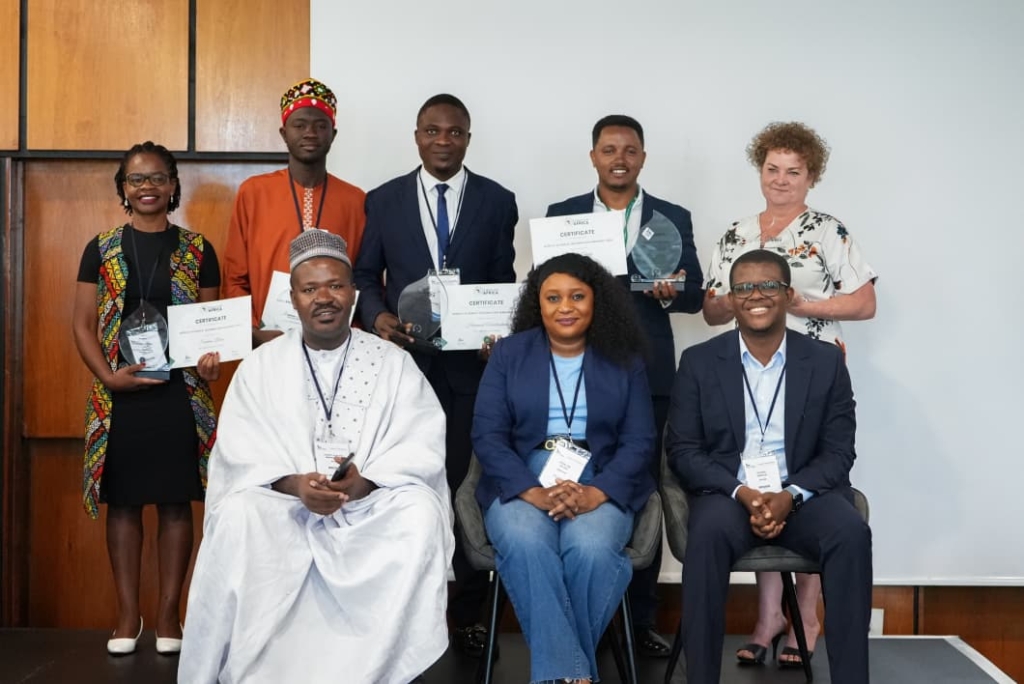
In his acceptance speech, the award-winning science journalist reframed journalism's fundamental challenge in the AI era. Referencing Tom Kovach and Rosenstiel's 2001 book "The Elements of Journalism," he highlighted the first principle: journalism's obligation is to the truth.
Twenty-five years ago, that statement addressed traditional verification challenges.
He stated that, today, with AI generating and assisting in content creation, science journalists face dual verification requirements
"As science journalists, our responsibility is to prioritize truth, leveraging AI responsibly to enhance our work. This means we've two task:" he noted
"verifying information created with AI by humans and verifying information created by humans using AI. It's a challenging task, but it presents an opportunity to use AI responsibly and enhance our reporting."
Khalilulahi's award-winning investigation, supported by Dialogue Earth and Wits University, required four months of research and fact-checking.
That timeline, he explained, reflects the depth necessary for responsible science journalism in an era where AI can generate plausible-sounding but potentially inaccurate content at scale.
Latest Stories
-
Ghana Association of University Administrators suspends nationwide strike
9 minutes -
Dr. Mohammed Amin Adam writes: Ghana’s 2026 domestic debt financing
25 minutes -
Kosmos Energy, Eni, TotalEnergies and AGL Win Big at African Energy Awards
37 minutes -
Government secures financing to fix water shortages in Tamale, Yendi and Damongo
1 hour -
NSA extends 2026/2027 National Service registration deadline to October 23
2 hours -
Mahama reaffirms commitment to private investment and industrial growth
2 hours -
‘We have been used and dumped’ – NDC’s James Agbey warns over grassroots neglect
2 hours -
Ghana defender Marvin Senaya begins training ahead of comeback
2 hours -
Joyce Bawah Mogtari urges women leaders to build strong support networks
2 hours -
Bawumia engages GUTA over import duties, VAT and rising business costs
2 hours -
Fuel prices begin to fall as Star Oil cuts petrol to GH¢16.45
2 hours -
GoldBod supplies banks with US$282m in weekly forex sales
2 hours -
Joyce Bawah Mogtari says Obaasima Conference should help women connect and learn
2 hours -
Ghana’s Crude Oil Production Rebounds by 30% After Five Years of Decline
3 hours -
Nzema East launches Responsible Cooperative Mining Programme to tackle environmental destruction
3 hours