

Audio By Carbonatix
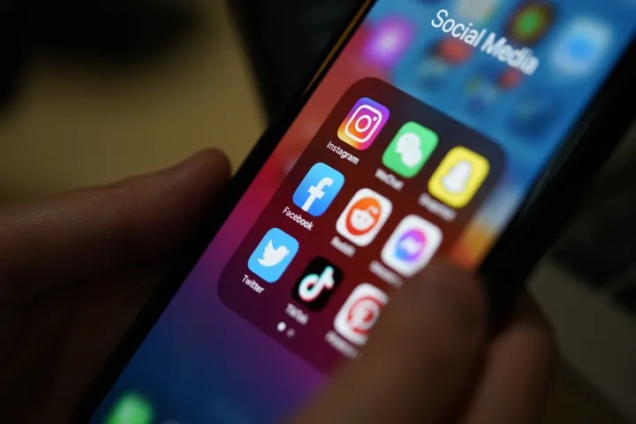
Child online protection experts are worried that Ghanaian parents are spending about 24 per cent of their productive hours on social media.
A survey conducted in about 2,000 households has revealed that screen time is significantly increasing among the adult population at the expense of their parental duties.
It added that on average, sleep takes 24%, entertainment scores 12% while household chores and errands consume 8% and 4%, respectively of the time of the adult population.
At a workshop organised by non-profit group Child Online Africa, Desmond Israel explained that the situation may have serious implications on families if the trends do not change.
The facilitator highlighted that the adult population spend about 16.7% of their time with their families, while using 50% of their time for work.
"Work covers everything else from school for the young ones and then work for the adult who are actually engaged in something productive.
“But if you look at the statistics in details, the real use of the time has varied. You’d see that you actually give only 4% to family…and social media is a whopping 24%. Work takes 24%. So, your productive work hours is now competing with social media,” he disclosed.
Meanwhile, the Executive Director of the group, Awo Aidam Amenyah, has urged parents to guide their wards to be responsible users of the internet.
“You know that when you connect to a device, it gets so exciting, you get to do things easily; it's all fun. Nobody thinks about any other thing apart from being able to do the work effectively. That has to do with the connectivity but then when it’s time for us to disconnect, it’s hard for us.
“Some of us, during the Covid-19 situation, we had difficulty just staying at home without our devices or without being connected to our devices. All these things that we do have implications for us and even for children that we are dealing with.
“When you sit down and think through what the effect of overuse of a device brings to you, it only bring some fear in you to be mindful whether you should even purchase the device for the child or not.
"Clearly, it has short and long-term effects and these effects will have to be deliberately thought through before we can be able to meaning of them,” she stated.
Latest Stories
-
At least 30 feared dead in crush at Haitian tourist site
60 minutes -
Four arrested over murder of Scottish businessman in Kenya
1 hour -
New Mainoo deal closer, says Man Utd boss Carrick
1 hour -
Sinner beats Alcaraz to return to world top spot
2 hours -
An inappropriate joke nearly ended his career. Now he’s back with more humour
2 hours -
GPL 2025/26: Dreams FC stage stunning comeback to hammer Eleven Wonders
3 hours -
Livestream: The Probe examines Kumasi’s looming water crisis
3 hours -
MTN Ghana gears up to lead Africa’s AI revolution
3 hours -
Philanthropist Alhaji FuZak donates Da’wah bus to Ambariya Sunni community
3 hours -
GUTA calls for suspension of Publican AI system over trade disruptions
3 hours -
TTAG raises alarm over proposed recruitment of 7,000 teachers, demands national posting roadmap
4 hours -
Civilians feared killed after reports of air strike on Nigerian market
4 hours -
Bishop Simon Kofi Appiah installed as new Jasikan Diocese Bishop
4 hours -
Trump’s Strait of Hormuz blockade threat raises risks and leaves predicaments unchanged
4 hours -
US Court backs extradition of former MASLOC CEO Sedina Tamakloe-Attionu to Ghana
4 hours