


Audio By Carbonatix
A fundamental shift is reshaping Ghana's agricultural landscape, driven by innovative cold chain technology and financing. In the heart of the Eastern Region, and spreading across the nation, a new paradigm is emerging, one that promises to dismantle the long-standing barriers to prosperity not only for farmers but also for food-insecure consumers. This transformation, centered on modular, solar-powered cold storage and accessible pay-as-you-go (PAYGO) financing, is poised to unlock the vast potential of Ghana's agricultural sector.
For decades, agricultural cold storage in Ghana and across the Global South has been the preserve of a privileged few. High capital costs, energy inefficiency, and limited access to expertise have left smallholder farmers, the backbone of the economy, at the mercy of spoilage and fluctuating market prices. This exclusivity, often favoring foreign companies or those with access to energy-inefficient marine reefers, has created a stark divide.
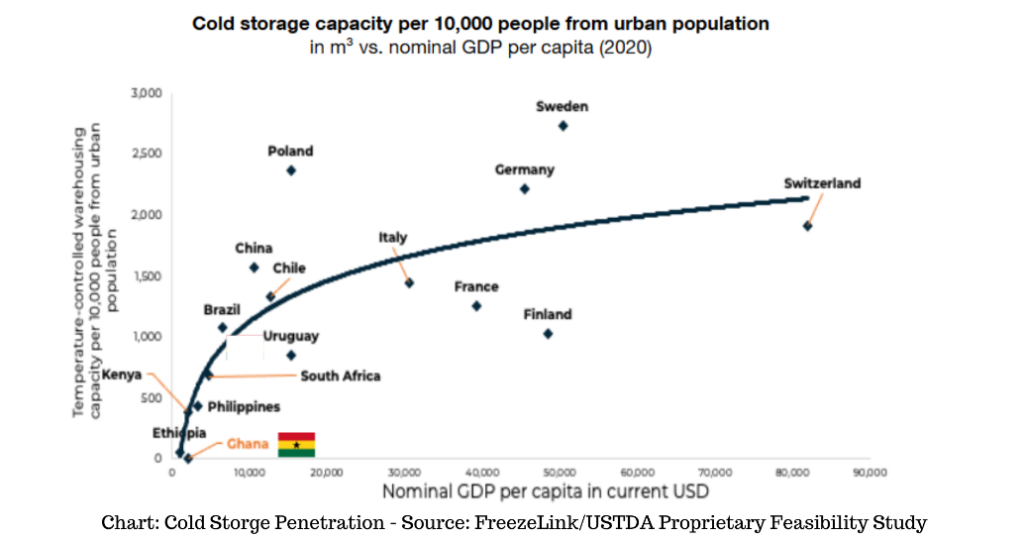
Eric Arthur, a miracle berry grower in the Eastern Region, exemplifies this struggle. He faced a daunting challenge: 60% of his harvest was lost due to insufficient frozen processing and storage capacity, resulting in lower-grade produce and reduced income. "I was losing a significant portion of my income," he laments, a common refrain among farmers. This narrative is not unique to miracle berries. According to a 2019 McKinsey report, Ghana loses 45% or more of its fruits and vegetables before they reach consumers—enough to feed an additional 12 million people.
An innovative approach is addressing these challenges head-on. By offering modular, solar-powered cold storage units coupled with a pay-as-you-go (PAYGO) financing model, access to cold chain technology is being democratised. This model, which has already connected 9,000 smallholder maize and chick farmers to local retailers, helping to revitalise Ghana's domestic broiler chicken industry, is now being extended to the wider agricultural sector.
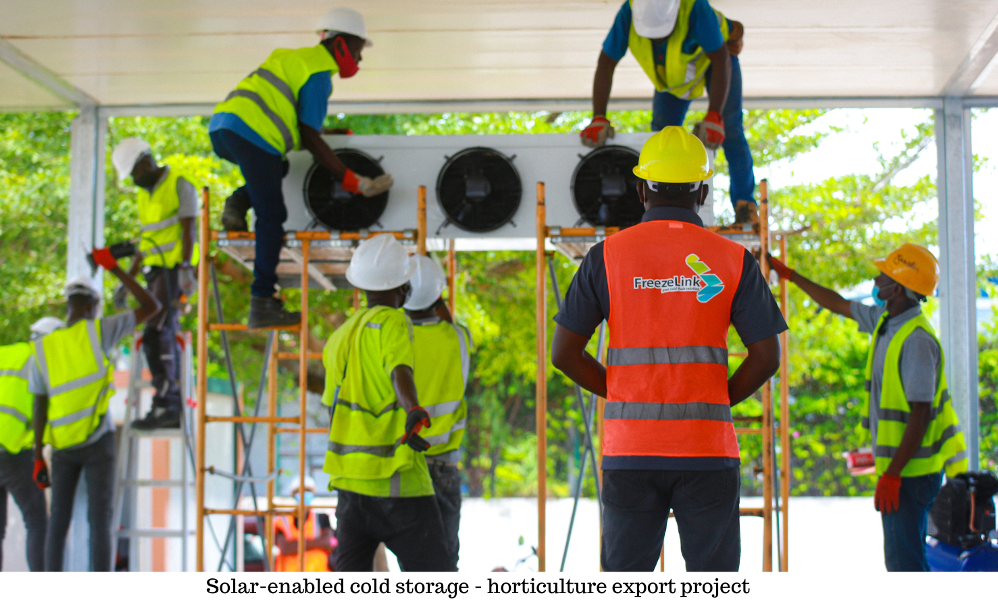
"Our mission is to create a 'Horticulture Highway' that connects farmers to markets, reduces waste, and boosts incomes," says Solomon Kportuphey, a representative from FreezeLink, the organization leading this initiative. "By providing end-to-end cold chain solutions—from storage and transport to installation and maintenance—we are helping to modernise African agriculture and enable farmers to access the full potential of their harvests."
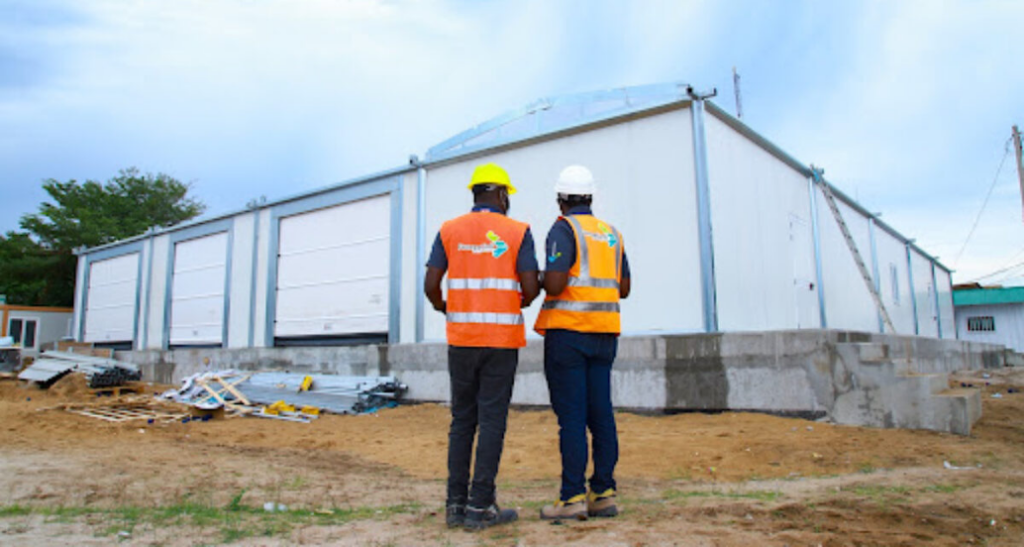
The impact is immediate and transformative. Arthur witnessed an 103% improvement in berry quality, leading to a substantial surge in income. "As a miracle berry processing company…Our major challenge is to ensure a cold chain…," Arthur emphasized. His success is echoed by Patrick, farm manager of a chilli pepper and ginger cooperative in Asutifi: "Their speed, expertise, and professionalism in building our modular cold room were truly impressive. They have helped us to connect over 1,500 smallholder farmers to markets, using their solar-enabled cold storage. Because of the storage we can now onboard more farmers, increasing prosperity for all" This modular approach allows farmers to scale their cold storage capacity as their businesses grow, while the PAYGO financing model eliminates the upfront capital expenditure barrier, making cold chain technology accessible to the 2.1 billion farmers in the Global South. The implications for Ghana's agricultural sector are profound. A study by the Global Cold Chain Alliance found that for every $1 invested in cold chain infrastructure, there is a potential return of $14 in economic value through reduced food loss, improved food security, and increased market access for smallholder farmers in developing countries.
Moreover, the use of solar-powered cold storage mitigates climate change by reducing reliance on fossil fuels and preventing emissions of the greenhouse-gas, methane, from rotting produce.
As Africa's population continues to grow, efficient and sustainable food systems are crucial. This solar-powered cold chain revolution offers a powerful solution for Ghana and beyond. By empowering farmers with affordable, accessible cold storage through PAYGO financing, we can significantly reduce food loss, boost incomes, and create a more food-secure and climate-resilient future. This isn't just about preserving produce; it's about transforming Ghana's agriculture. As a trip to the Blue Skies factory in Nsawam, Accra, illustrates so clearly, building reliable farm-to-market links ignites industrial growth. Just as other global companies like Arla and Pioneer evolved from agricultural cooperatives, Ghana's sector can leverage these advancements to diversify its economy and create lasting prosperity.
Latest Stories
-
AU adopts Ghana-led resolution by consensus, Mahama outlines global diplomatic push
21 minutes -
New PESCO Old Students’ leadership promises to reposition association
31 minutes -
Every African object unjustly held abroad must be returned – Mahama demands restitution
40 minutes -
AU Summit: President Mahama advocates for continental resolution on enslavement
43 minutes -
Amin Adam slams NDC’s economic management
59 minutes -
President Mahama urges global support on reparatory justice at AU Summit
1 hour -
Mankessim-Accra lorry station’s choked gutters
1 hour -
The politics of envelopes: Why bad roads in Ghana may be a voter problem too
1 hour -
Dagbani Wikimedians, sister language communities hold annual capacity building retreat in Wa
1 hour -
Interior Ministry confirms attack on Ghanaian traders in Burkina Faso
1 hour -
New Oboase traditional leaders praise Asiedu Nketia for returning to express gratitude
2 hours -
Ministry of Health reaffirms commitment to tackling sickle cell disease
2 hours -
Livestream: The Law discusses Legal Education Reform Bill
2 hours -
Seven remanded over open defecation
2 hours -
Karaga MP Amin Adam donates funds, 1,000 bags of cement for Northern Regional NPP headquarters
3 hours