

Audio By Carbonatix
When Ghana’s economy was struck by the COVID-19 pandemic in 2020, the impact was swift and devastating. Growth, which had averaged above 6% between 2017 and 2019, plummeted to 0.4% in 2020. The government’s revenue shrank as trade slowed, while public expenditure ballooned to contain the health emergency and cushion households. By the end of the crisis, Ghana had spent over GHS 21 billion on COVID-related interventions, even as tax revenues fell sharply.
Inflation surged, debt levels soared, and fiscal buffers collapsed. The cedi weakened, job losses mounted, and thousands of small businesses folded under restrictions and supply chain disruptions. Like many governments across the world, the Akufo-Addo administration defended its record by pointing to how the pandemic overturned even the most resilient economies.
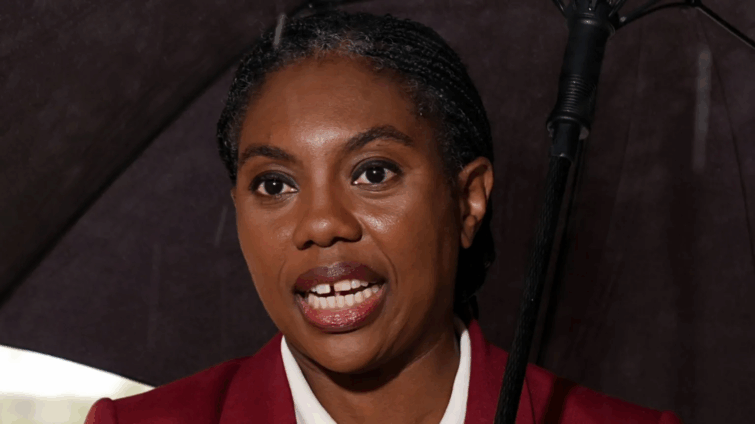
It is against this backdrop that the latest remarks by Kemi Badenoch, Leader of the Conservative Party in the United Kingdom, ring familiar to many Ghanaians. Speaking passionately in Parliament, Badenoch outlined how the COVID-19 pandemic derailed the British economy, a narrative that strongly echoes Ghana’s experience.
According to her, before the pandemic, the UK economy was performing well under the Conservatives — unemployment was at record lows, spending was controlled, and the national deficit was shrinking. Then, as she put it bluntly, “COVID changed everything.”
She recounted how the crisis forced the government to expand welfare spending dramatically, leading to debt accumulation and a spike in unemployment — developments that have since strained the country’s fiscal stability.
“Mr Speaker, the welfare system no longer works as it should. What was once a safety net has become a trap… During our time, until the COVID pandemic, we kept spending under control, cutting the deficit every year. But COVID changed everything. It did.”
Badenoch’s comments reflect the global economic reality that the pandemic triggered — a historic contraction that left few economies unscathed. Her assertion that COVID-19 “ruined” years of economic progress under the Conservatives mirrors the same justification offered by the former NPP government in Ghana, which has consistently maintained that its sound economic management prior to 2020 was undone by the pandemic.
Like the UK, Ghana had to balance between protecting lives and livelihoods. Social protection programmes such as “Free Water and Electricity Reliefs”, the CAP Business Support Scheme, and enhanced healthcare investments offered temporary relief but widened the fiscal deficit. The country’s public debt-to-GDP ratio surged past 90%, eventually prompting a domestic debt exchange and an IMF bailout in 2023.
While some critics in both nations have accused their governments of fiscal mismanagement, others argue that the extraordinary conditions of the pandemic justified the exceptional spending.
Today, as Ghana rebuilds from its economic challenges, the Conservative Party’s introspection in the UK serves as a poignant reminder: COVID-19 was not just a public health crisis, but a profound economic reset.
Both the UK and Ghana continue to grapple with post-pandemic recovery — managing inflation, restoring confidence, and rebuilding fiscal discipline. The lessons are clear: preparedness, transparency, and economic diversification are no longer optional; they are essential defences against the next global shock.
Latest Stories
-
Customs intercepts 12 articulated trucks; over GH¢85m in taxes at stake
54 seconds -
Oil marketing and bulk distribution chambers condemn alleged misuse of LPG fund, demand immediate action
7 minutes -
COCOBOD entered 2025 with GH¢17.8bn debt burden – Adongo
27 minutes -
Son of Robert Mugabe detained in South Africa after reported shooting
28 minutes -
Muntaka: Interior Minister explains why government wants to rename NIB as BNI
32 minutes -
Over 800 trainees stranded as GTEC shuts down Royal Nursing College
32 minutes -
Dual citizenship and public office in Ghana: Why caution must prevail for now
37 minutes -
Justice Abdulai backs removal of EC leadership, but urges reform of Article 146
41 minutes -
Women neglect self-care after childbirth, vaginal odour can affect intimacy – Dr. Charity Ankrah
45 minutes -
CLOGSAG threatens nationwide strike on March 9 over unfulfilled promises on unique salary structure
48 minutes -
Ga Mantse in stable condition after gory Tuesday accident – Palace reveals
52 minutes -
UK ex-Prince Andrew arrested on suspicion of misconduct in public office
54 minutes -
I was put in prison cells for 5 days because of Akufo-Addo – Bullgod
1 hour -
Dignitaries, media practitioners pay last respects to late Dr Alhaji Abubakari Sidick Ahmed
1 hour -
Dusty Kwabenya-Berekuso-Kitase road affects health and education, residents call for help
1 hour