


Audio By Carbonatix
Agricultural sector stakeholders from across the country have begun a four-day meeting in Accra to develop a revised Seed Sector Strategy and Investment Plan to help boost the country’s food security.
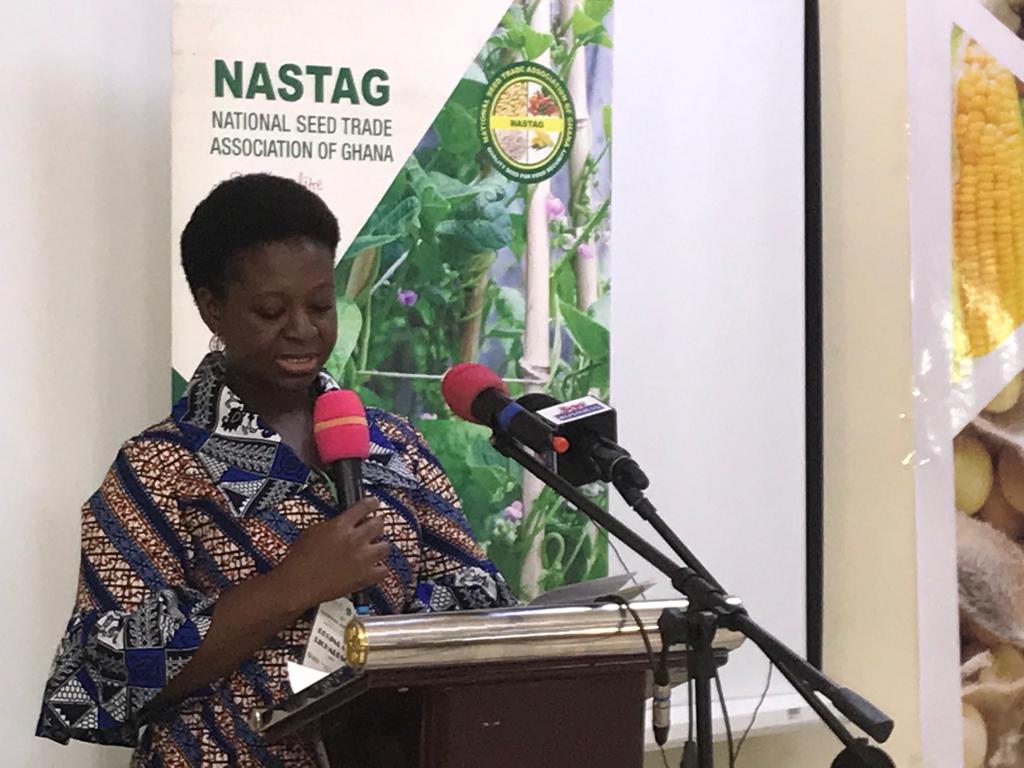
Officials from the Agriculture Ministry, the National Seed Trade Association of Ghana (NASTAG), The African Seed Access Index (TASAI), and other seed sector stakeholders are meeting from November 7, for the 3rd National Seed Forum.
The Seed Sector Strategy and Investment Plan is expected to strengthen Ghana’s seed industry by promoting the adoption and utilisation of certified seed by the country’s farmers.

Given the current economic crisis in Ghana, which is affecting the lack of fertilizer and seed inputs for farmers, strengthening the seed sector and increasing the use of improved seeds is expected to boost crop yields, and transform the food system that feeds the country, a statement from The Alliance for the Green Revolution in Africa (AGRA), which is spearheading the initiative said.
The four-day workshop follows a successful deployment of the Seed Systems Analysis Tool (SeedSAT), to analyze the functioning of eight key thematic areas of the national seed system and make prioritized recommendations for interventions to support a robust seed sector.
Under the theme, “Facilitating the Seed Industry through Knowledge, Collaboration and Strategic Planning”, the delegates at the National Seed Forum will revise the National Seed Plan (2015) and incorporate the recommendations from the SeedSAT exercise.
The workshop will also allow industry players to network and receive updates on pertinent seed sector issues and strengthened business linkages.
The statement by Rebecca Weaver of AGRA said AGRA is working on this effort with the support of the U.S. Government through the U.S. Agency for International Development (USAID), and the Bill & Melinda Gates Foundation (BMGF), under the Partnership for Inclusive Agricultural Transformation in Africa (PIATA) umbrella.
It said Ghana’s seed sector has made tremendous growth in the past few years, with the development and availability of improved and locally adapted seed varieties.
However, the adoption is still marginal, with just about 30% of the farmers using the improved varieties.
The slow pace of adoption is linked to inadequate compliance with seed legislation by various key seed value chain operators, and the disregard of the rules and procedures of the Seed Certification and Standard Regulations.
Latest Stories
-
Manhyia South MP laments decline in hospitality operations in his constituency
5 minutes -
How a simple clean charcoal innovation could benefit Ghana’s climate future
8 minutes -
NPA, COMAC launch Safety Week 2026 to promote risk management in petroleum sector
9 minutes -
Stakeholder engagement resolves onion trade impasse
17 minutes -
Gender Ministry holds staff durbar, welcomes new Chief Director
28 minutes -
Unexpected illness sparked my radio career – Tommy Annan-Forson
31 minutes -
Bolt Ghana awards GH¢50,000 to women entrepreneurs through “She Moves to Win” campaign
34 minutes -
NRGI Country Manager questions speed of ministerial approval in Damang mining deal
42 minutes -
Publish the assessment — NRGI demands transparency in Damang mining deal award to E&P
57 minutes -
Tamale: Alhaji Hussein Fuzak funds construction of 3-storey classroom block at Ambariya Islamic School
1 hour -
Gender Ministry holds staff durbar, welcomes new Chief Director
1 hour -
Anti-LGBTQ+: Mahama prioritises sentiments of development partners over Ghanaian values – Ntim Fordjour
1 hour -
CPA intensifies crackdown on fake diapers across public hospitals
2 hours -
Deputy Defence Minister urges failed GAF applicants to check medical disqualification reasons
2 hours -
Video: President Mahama’s speech at One Health Summit
2 hours