

Audio By Carbonatix
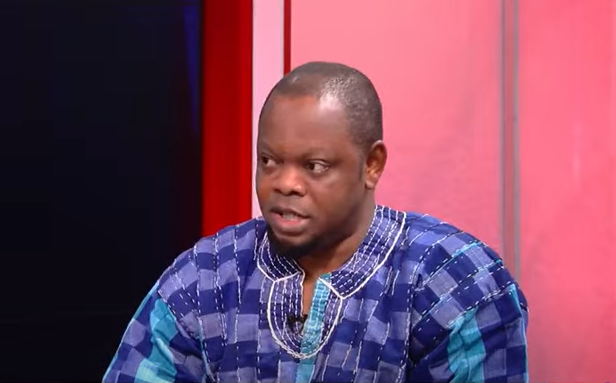
The General Legal Council (GLC) will soon be stripped of its role in legal education and focus solely on maintaining professional standards at the Bar, according to Deputy Attorney General, Dr Justice Srem Sai.
He disclosed this on JoyNews’ PM Express on Wednesday, describing the planned reform as a long-overdue correction of a stop-gap system that has outlived its purpose.
“This is not the scrapping of the GLC,” Dr Srem Sai clarified. “The Council will remain, but its focus will change. It will now deal only with maintaining professional standards once someone has been called to the Bar.”
He explained that the government is introducing a Legal Education Bill that will formally separate the administration of legal education from professional regulation.
“Currently, the GLC handles legal education, calls to the Bar, and post-call standards. We are going to decouple that,” he said.
Under the new arrangement, a different institution will be responsible for legal education and calling lawyers to the Bar.
“Once you are called, the GLC will take over. That’s where their role starts — not before.”
The Deputy Attorney General dismissed concerns that the change would make the GLC redundant.
“Some people think this means the GLC is being scrapped. That’s not true. When the new structure is rolled out, they will see just how relevant the GLC still is,” he said.
Dr Srem Sai traced the origins of the current setup to Ghana’s early post-independence period.
“During Nkrumah’s time, we didn’t have enough lawyers. So the GLC had to do everything — education, professional standards, even regulatory work for judges. It was a stop-gap measure,” he explained.
He said it was never intended to be permanent.
“That was 1960. Now we’re in 2024. Sixty-four years later, and we are still using the same structure. It’s not sustainable. This bill simply corrects that.”
The Deputy Attorney General said the reform will create clarity and allow both education and professional regulation to thrive.
“Proper legal education administration needs its own dedicated institution. The same applies to professional standards. That’s what this reform is about — clarity, efficiency, and structure.”
Latest Stories
-
Livestream: The Probe examines Kumasi’s looming water crisis
3 minutes -
MTN Ghana gears up to lead Africa’s AI revolution
3 minutes -
Philanthropist Alhaji FuZak donates Da’wah bus to Ambariya Sunni community
11 minutes -
GUTA calls for suspension of Publican AI system over trade disruptions, demands temporary halt in import activities
14 minutes -
TTAG raises alarm over proposed recruitment of 7,000 teachers, demands national posting roadmap
47 minutes -
Civilians feared killed after reports of air strike on Nigerian market
57 minutes -
Bishop Simon Kofi Appiah installed as new Jasikan Diocese Bishop
58 minutes -
Trump’s Strait of Hormuz blockade threat raises risks and leaves predicaments unchanged
1 hour -
US Court backs extradiction of former MASLOC CEO Sedina Tamakloe-Attionu’s to Ghana
1 hour -
Seven arrested as NAIMOS dismantles illegal mining camp, seizes firearms at Boin River
1 hour -
Fire erupts at Madina Ritz Junction, destroys multiple wooden structures and containers
2 hours -
Daniel-Kofi Kyereh returns from long-term injury, registers assist for Freiburg U23
2 hours -
Knifeman calling himself ‘Lucifer’ slashes three at NYC’s Grand Central
2 hours -
Brands are built from within to without
2 hours -
Matriculants urged to pursue excellence as gov’t reaffirms support for Maritime education
2 hours