

Audio By Carbonatix
The Communications Manager of Ghana Water Company (GWCL) for the Western and Central regions has expressed concern over the pollution of water bodies that serve as sources of drinking water for many.
According to Nana Yaw Barima Barnie, it is unfortunate that money has been prioritised over people's lives, stating that poisoning drinking water sources is effectively an attempt to harm the population.
Speaking on Top Story on Friday, August 30, Mr Barnie expressed that the extent of pollution has reached a point where it no longer seems reasonable for the Ghana Water Company Limited (GWCL) to continue treating water in the country.
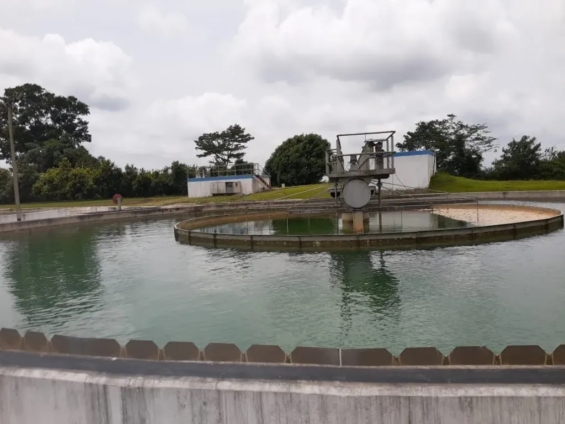
He explained that GWCL used to use aluminum sulfate to treat suspended particles in water, but it is no longer effective due to the highly polluted state of the Pra River.
“We are spending four times more than what we were spending in the past when we were using alum. We are now spending four times more now that we are using polyelectrolyte because that is more expensive,” he said.
His comment comes after the management of Ghana Water Company Limited in the Central Region announced recent challenges with water supply in Cape Coast, Elmina, and surrounding communities.
According to them, the recent demand-supply gap is due to inadequate raw water received at the Sekyere Hemang Water Treatment Plant (WTP) caused by illegal mining (galamsey) activities.
In a press statement signed and issued by the Central Regional Office of GWL on Friday, August 30, it noted that pollution of the Pra River, especially at the catchment area for abstraction, has significantly reduced water intake to the barest minimum.
It further mentioned that the plant is currently able to produce only about 7,500m³/day, a quarter of its installed capacity, noting that the situation has caused severe inconvenience to customers and consumers and apologised for the disruption.
In light of this, Mr Barnie said the GWCL may not be able to continue with the treatment of water and warned that the Sekyere Hemang Water Treatment Plant (WTP), which supplies raw water to the region, might eventually be forced to shut down.
“We are treating water and getting only a quarter of the capacity of the plant… People will now have to be running helter-skelter looking for where they can get water,” he added.
Latest Stories
-
Vice President launches Mfantsipim’s 150 years of shaping Ghana’s greatest mind
11 minutes -
I assure Otumfuo, Mahama will join him to commission KNUST Teaching Hospital by end of this year – Haruna Iddrisu
52 minutes -
Gov’t to roll out free special education for persons with disabilities from July 1 – Education Minister
1 hour -
“We used it to test our officiating officials’ readiness” – Bawah Fuseini after CAA Athletics event
2 hours -
Volleyball emerges as Ghana’s fastest rising sport
2 hours -
National Sports Fund needs strong leadership from the top – Administrator David Wuaku
2 hours -
JoySports Exclusive: Steve McLaren in talks with GFA after expressing interest in Black Stars job
2 hours -
Fire guts auto parts warehouse at Bubuashie, one fire officer injured
2 hours -
I owe my victory to coach Ofori Asare – Allotey after winning WBA Africa Gold Super Flyweight belt
2 hours -
Church of Pentecost supports over 2,000 BECE candidates in Obuasi with career guidance seminar
4 hours -
Brandon Asante and Coventry all but promoted to Premier League despite Sheffield Wednesday draw
4 hours -
GPL 2025/26: Late Kwartemaa strike downs Hearts in Tema
4 hours -
Ghana Faces Sierra Leone Moment as Prosecutorial Powers come under strain
5 hours -
Don’t consume fish or seafood from Tema Shipyard until further notice – FDA warns
5 hours -
Why volunteering might be Africa’s most underrated career accelerator
5 hours