

Audio By Carbonatix
Survival rates for childhood cancer and sickle cell disease in Ghana remain below 50%, largely due to late diagnosis, limited access to treatment, and a shortage of trained haematology professionals.
In response, World Child Cancer has launched the Strengthening Haematology Skills Project, a nationwide initiative aimed at equipping healthcare professionals with both clinical and psychosocial skills.
The programme focuses on improving the management of blood supplies while enhancing the emotional and mental support provided to patients.
These interventions are crucial for conditions such as leukemia and sickle cell disease, where blood transfusions are often life-saving.
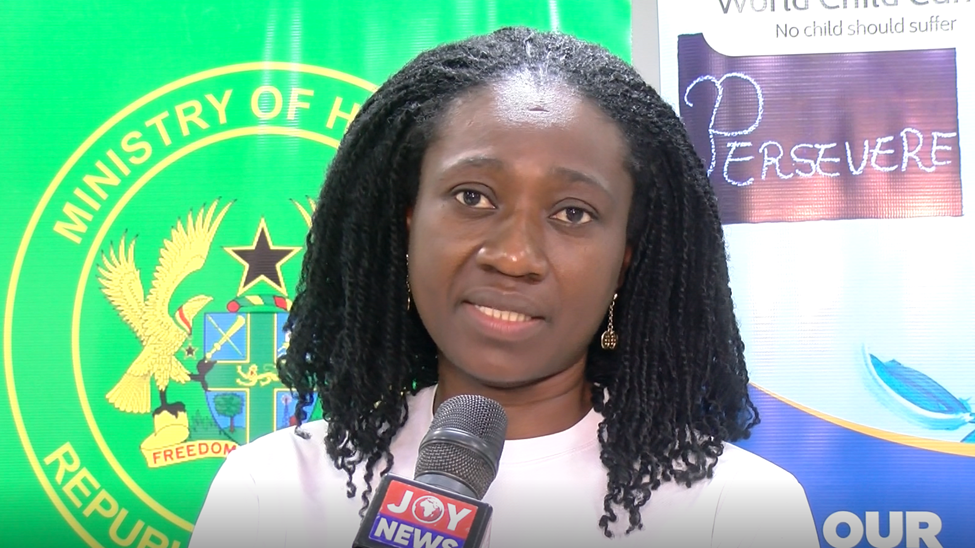
According to Adwoa Pinamang Boateng Desu, Country Coordinator for World Child Cancer, the initiative was designed to close critical gaps in haematology care and ensure safer, more effective blood transfusions.
Supported by Bristol Myers Squibb, the project has trained 282 healthcare professionals, including 14 oncology pharmacists, using a training-of-trainers model to scale impact.
“With the ongoing challenges of transfusion reactions, limited funding, and poor management of blood disorders, we launched this project to strengthen haematology care in Ghana,” Boateng Desu explained.
She also noted that educational and communication materials on blood transfusion for sickle cell disease and leukemia were developed in collaboration with the Health Promotion Division of the Ghana Health Service to support public awareness and clinical education.
One of the major barriers to effective blood care in Ghana, however, lies in the deep-rooted myths surrounding blood donation. Misconceptions such as beliefs that donated blood is used for occult practices—have discouraged potential donors, leading to critical shortages and treatment delays. CEO of the National Blood Service, Dr. Shirley Owusu-Ofori, firmly dispelled these claims.
“Every unit of blood donated is fully traceable from the point of donation to the recipient. Even discarded units are properly accounted for. The National Blood Service does not collaborate with any spiritual or non-clinical entities. All blood is used strictly for medical purposes,” she stated. Dr. Owusu-Ofori emphasized the service’s role in rebuilding public trust through continuous media engagement and education campaigns aimed at debunking harmful myths.
As Ghana works to strengthen its healthcare infrastructure, initiatives like the Strengthening Haematology Skills Project remain vital. By investing in professional capacity and countering misinformation, the country is laying the groundwork for safer transfusions, better blood donation rates, and improved survival outcomes for patients battling leukemia, sickle cell disease, and other life-threatening conditions.
Latest Stories
-
A source of excellence across generations – Vice President Opoku-Agyemang lauds Mfantsipim
1 hour -
(Photos) Mfantsipim School launches historic 150th anniversary
2 hours -
Knights and Ladies of Marshall group backs Catholic Bishops’ stance on anti-LGBTQ+
3 hours -
Bright Simons writes: All the Filla in the Ibrahim Mahama/E&P – Gold Fields Saga
3 hours -
Monetise Idiocy In Ghana
3 hours -
ECG kicks off Phase Two of transformer upgrades at Lashibi; brief outages expected
4 hours -
The Ghanaian prophet and the mysterious death of his scottish wife Charmain Speirs
4 hours -
Nearly 400 sentenced in Nigeria for links to militant Islamists
4 hours -
Ghana’s recovery supported by gold strength despite global oil price pressures – Standard Bank Research
4 hours -
Methodist Church hails Mfantsipim@150; calls for “fresh consecration” to excellence
5 hours -
‘Excellence is our inheritance’ – Nana Sam Brew-Butler hails Mfantsipim’s 150-year reign in leadership
5 hours -
Kwaku Azar writes: A-G vs OSP
5 hours -
Mfantsipim–Adisadel rivalry built excellence, not division – Sam Jonah
5 hours -
Vice President launches Mfantsipim’s 150 years of shaping Ghana’s greatest mind
6 hours -
I assure Otumfuo, Mahama will join him to commission KNUST Teaching Hospital by end of this year – Haruna Iddrisu
6 hours