

Audio By Carbonatix
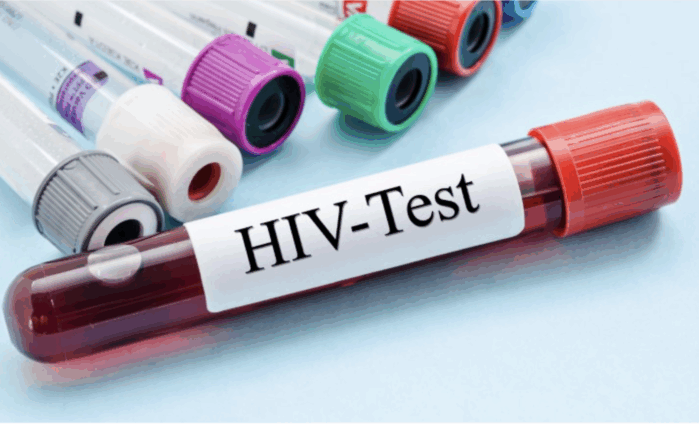
Health authorities in the Ashanti Region have expressed worry about the continuous increase in HIV infections among residents, despite various interventions to control the spread.
The Ghana AIDS Commission’s (GAC) regional estimates, showed the Ashanti region recording 2,997 new HIV infections in 2024, with an average of about nine people contracting the virus each day.
The Kumasi metropolitan area, continues to record significant increases, a situation health officials said underscored the need for intensified prevention and treatment efforts.
Dr Fred Adomako‑Boateng, the Ashanti Regional Director of Health told the Ghana News Agency in an interview that, despite progress with testing and treatment uptake, a substantial portion of people living with HIV in the region, were not yet accessing antiretroviral therapy (ART).
“This gap poses a significant public health risk, and the only way to bridge it is by improving testing, increasing awareness, and making prevention services easily accessible everywhere,” he said.
He highlighted ongoing efforts towards expanding HIV testing and support services across communities in and around Kumasi.
Dr Adomako‑Boateng further noted that, while there had been a notable increase in clients on treatment, stigma and discrimination continued to hinder efforts to control the spread of the virus, particularly among men and young people.
“Knowing your status is the first and most powerful step in protecting yourself and those you love,” he emphasised, and urged the public to take advantage of free testing and counselling services available at health facilities throughout the region.
Madam Olivia Graham, the Ashanti Regional Technical Coordinator of the Ghana AIDS Commission, also highlighted the trends, noting that, women constituted a larger proportion of those infected.
She said this was partly due to higher testing rates among females compared with males.
She added that, young people aged 15–24 made up a significant share of new infections, and called for targeted interventions to address risky behaviours and strengthen preventive education among youth.
Latest Stories
-
Ghana to begin camping with 12 athletes after Accra Open Championships – Bawa Fuseni
11 minutes -
Anthony Joshua declines showdown with Tyson Fury but admits they ‘probably’ clash next
24 minutes -
Tyson Fury dominates Makhmudov, calls out Joshua next
44 minutes -
I have supported highway authority financially to fix roads in my constituency – A Plus
2 hours -
US, Iran fail to reach peace agreement after marathon talks in Pakistan
2 hours -
ECG kicks off Phase Two of transformer upgrades at Lashibi; brief outages expected
3 hours -
Port crises loom as 11,000 drivers threaten four-day strike
4 hours -
A source of excellence across generations – Vice President Opoku-Agyemang lauds Mfantsipim
4 hours -
(Photos) Mfantsipim School launches historic 150th anniversary
5 hours -
Knights and Ladies of Marshall group backs Catholic Bishops’ stance on anti-LGBTQ+
6 hours