

Audio By Carbonatix
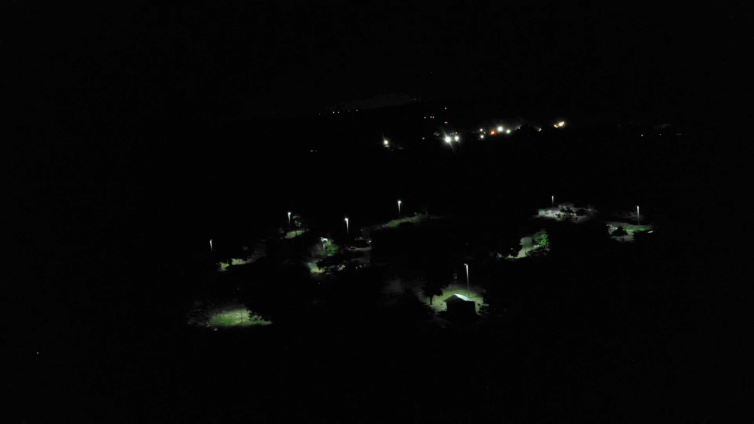
In a small farming community near Aframso in Ejura, nightfall used to bring fear and deep darkness. The community, located in a suburb of Aframso in the Ejura Sekyedumase Municipality of the Ashanti Region, has no formal name.
But for the people who live there, the challenges of living in darkness were real.
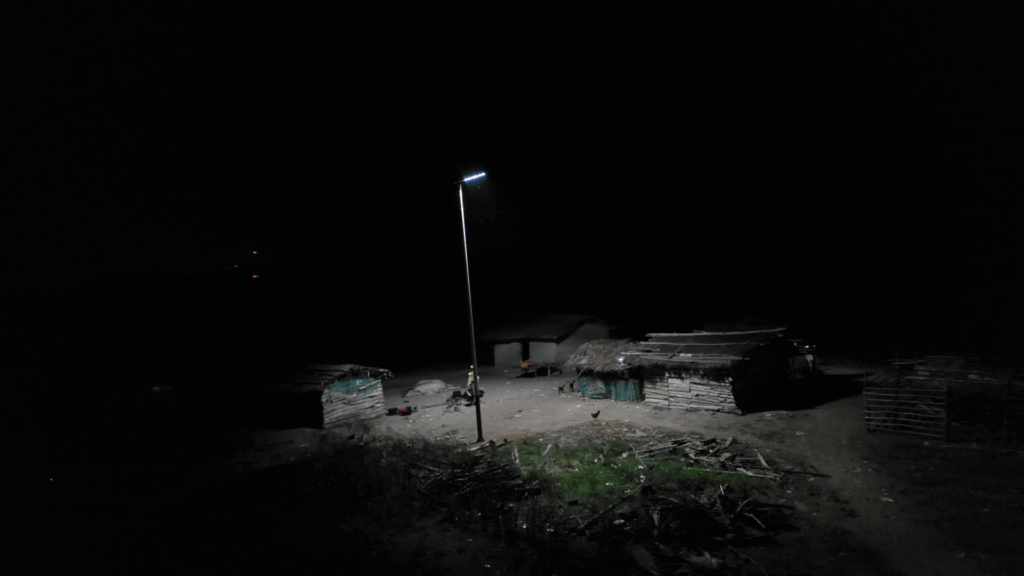
When the sun went down, learning stopped, movement slowed, and many residents rushed home early. Darkness meant danger. Today, that story is changing because of solar light, a clean energy solution that also supports climate action.
Every evening, 11-year-old Aisha Umaru, a Class Five pupil at Aframso M/A Primary School, used to close her books early. There was no electricity in the community, and kerosene lamps were unsafe, costly, and harmful to health.
“When it got dark, I could not read again,” Aisha said. This meant she had to rush through her homework before sunset or go to bed without understanding what she was taught in school.
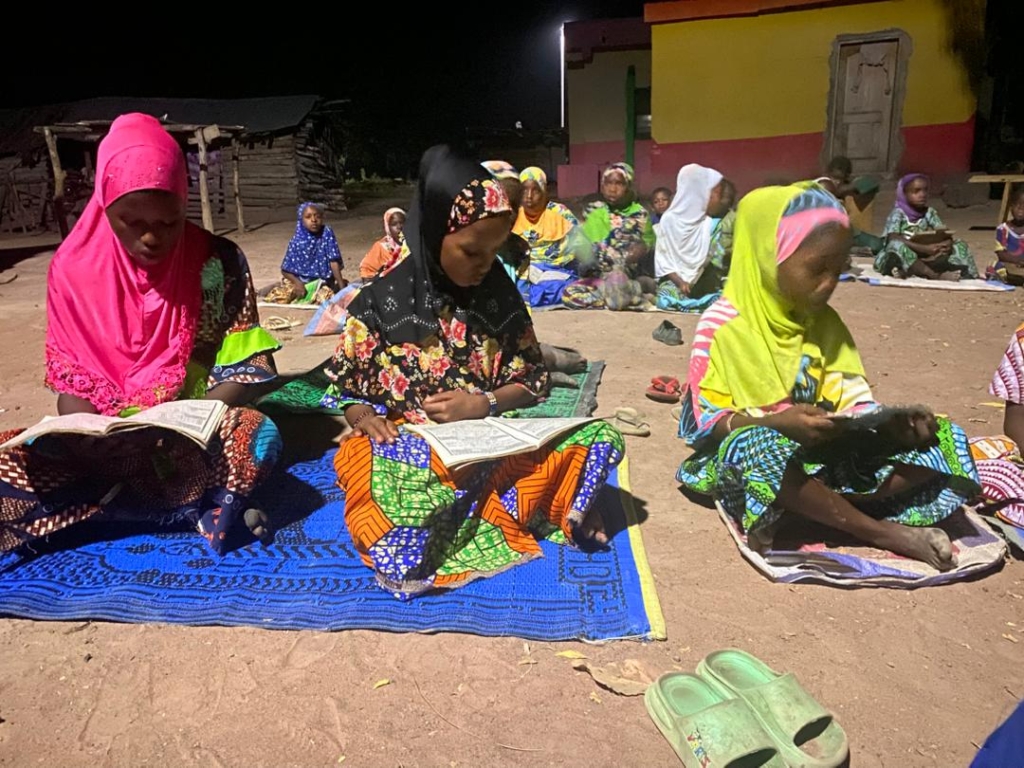
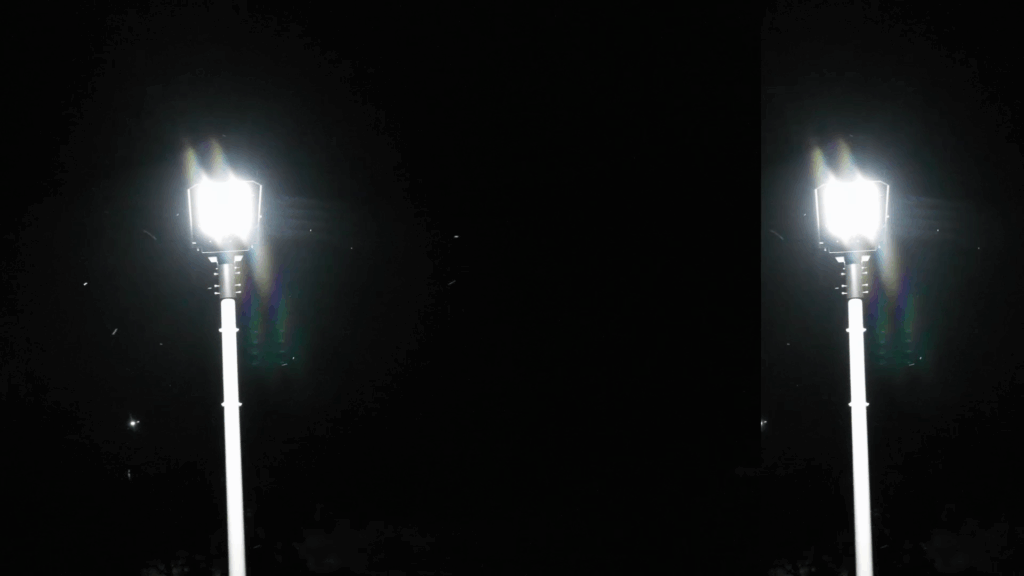
Today, when the sun sets, solar street lights switch on. Aisha now sits on a small mat and continues reading.
She studies alongside 10-year-old Osman Adiza, a Class Four pupil, and 8-year-old Mohammadu Hawa, now in Class One. For these children, light has brought learning back — without polluting the air.
Life in darkness for many years
The community is home to about 200 people, mostly farmers and herdsmen. For more than 13 years, residents lived without streetlights and without a connection to the national electricity grid.
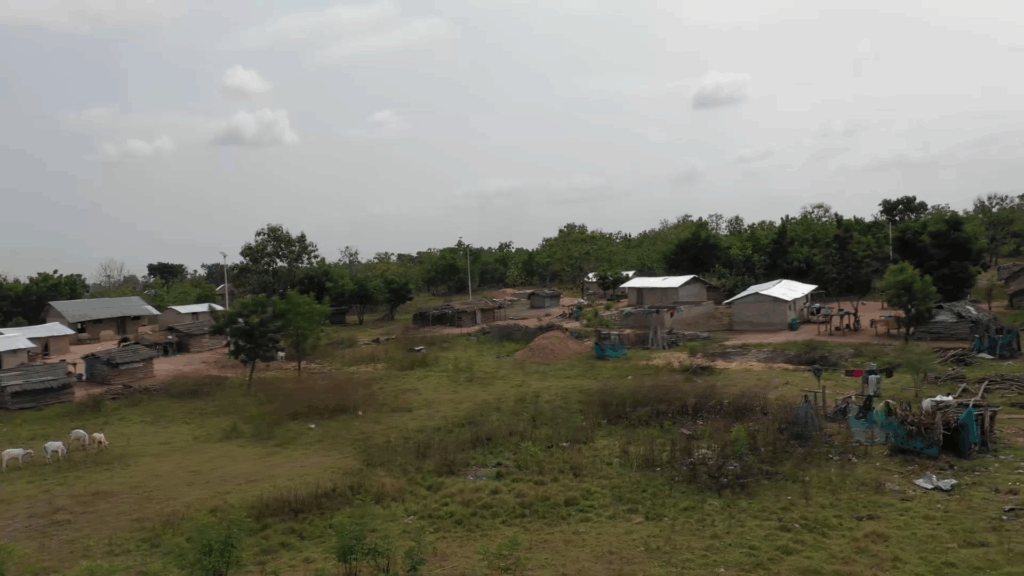
At night, people feared snakes, thieves, and accidents. Women cooked quickly and stayed indoors. Children struggled with homework. Small businesses closed early.
“Nighttime was very difficult for us,” said 32-year-old Abubakar Garba, a farmer. “We slept early because it was too dark. Now my children can learn at night, and we feel safer.”
The turning point came when ten solar street lights were installed at key points in the community.
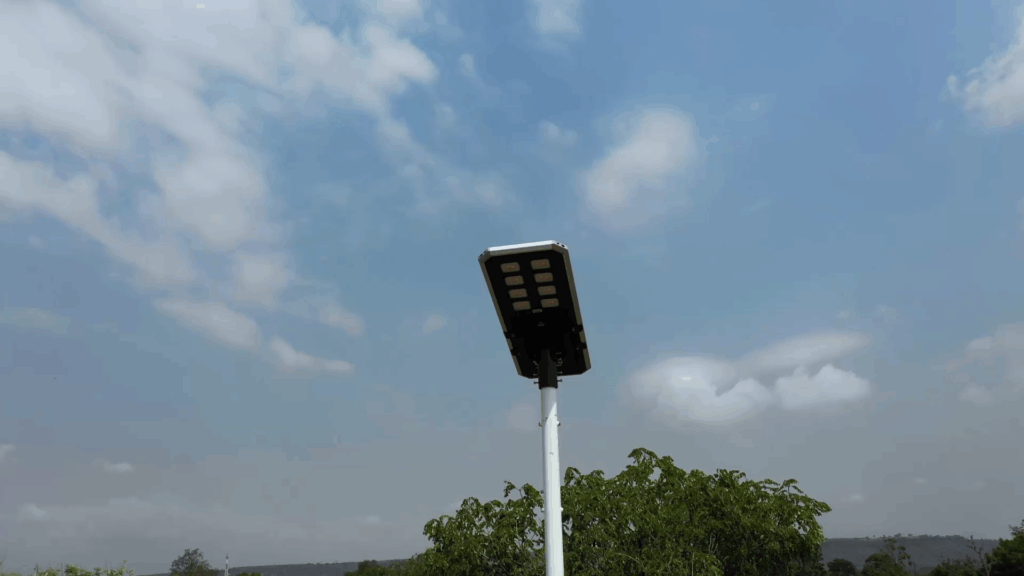
The lights use energy from the sun. They do not need fuel. They do not produce smoke. They come on automatically at night.
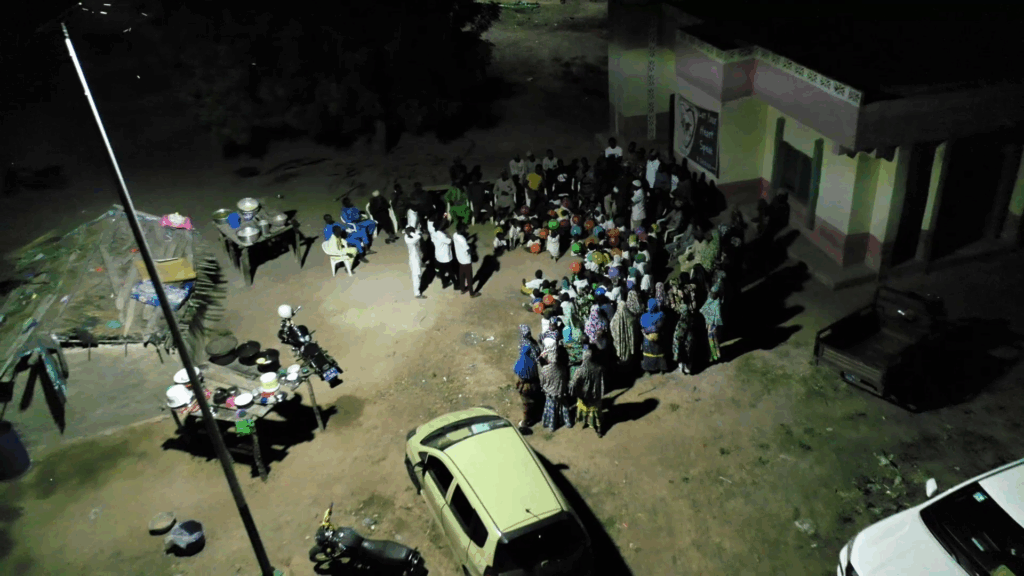
The impact was immediate. People now walk freely at night. Farmers return home safely. Children read after sunset. Community life continues even after dark.
Beyond safety and education, the project also supports local climate action by reducing the use of kerosene lamps and small generators, which pollute the air and contribute to climate change.
Supporting Ghana’s national climate goals
At the national level, the project aligns with Ghana’s climate and energy policies, including efforts to expand renewable energy and reduce carbon emissions.
Solar energy supports Ghana’s commitment under its Nationally Determined Contributions (NDCs) to cut greenhouse gas emissions and increase clean energy use.
“This project supports Ghana’s climate goals,” said Bawa Muhammed Braimah, Member of Parliament for Ejura Sekyedumase.
“Our electricity system depends mainly on hydro and thermal power.”
He explained that hydro power is becoming less reliable due to changing rainfall patterns caused by climate change, while thermal power is expensive and polluting.
“Solar is the way to go,” Mr Braimah said.
He added that the Ministry of Energy and Green Transition plans to provide 100 solar lights to communities in his area as part of Ghana’s clean energy transition.
Local development without harming the environment
Local leaders say the project shows that development can happen without destroying the environment.
“These lights have changed our community,” said Ali Zakari, Assembly Member for the Aframso Electoral Area. “It improves safety, education, and also protects the environment.”
By using solar energy, the community is reducing air pollution and protecting health, especially for women and children who are most affected by smoke from kerosene lamps.
At the international level, the project supports global climate commitments, including the Paris Agreement and the United Nations Sustainable Development Goals (SDGs).
The solar lights contribute directly to SDG 7 for affordable and clean energy, SDG 13 for climate action, SDG 4 for quality education and SDG 11 for sustainable communities.
Climate experts say such small, community-based projects are critical in the global fight against climate change.
“Solar lights reduce carbon emissions, improve safety, support education, and promote sustainable development in rural areas,” experts say.
The ten solar lights were provided by Hearts of Mercy, a Belgian non-governmental organisation that supports hard-to-reach communities with clean energy solutions.
The project shows how international support, when aligned with local needs, can deliver climate benefits and improve daily life.
As night falls, Aisha closes her book. Around her, people walk freely under the bright solar lights. Children laugh. Farmers chat. Life continues.
For Aisha, the lights mean extra hours to study. For the community, they bring safety and growth. For Ghana, they support national climate targets. And for the world, they add to the global effort to fight climate change.
Latest Stories
-
NDC elections: Nat Tetteh eyes Eastern Regional Deputy Secretary position
7 minutes -
Ablakwa highlights Ghana-France cooperation, praises Macron on reparatory justice
19 minutes -
Protect people, not prices – Joe Jackson rejects fuel tax cuts and subsidies
39 minutes -
Finance Ministry, BoG clarify false claims about Databank’s bond market specialist status
41 minutes -
Lawyer petitions President to halt Terminal 2 refurbishment over value-for-money concerns
50 minutes -
Sunyani Market traders urge government action amid surging ginger prices
52 minutes -
Maphlix Farms to supply 3,000 tonnes to help bridge tomato deficit
59 minutes -
Ho MP urges public access to officials’ asset declarations
1 hour -
Ecowas Bank for Investment and Development targets SMEs in Ghana with fresh funding for 2026
1 hour -
Two killed in Bosomtwe clash as residents demand increased security presence
1 hour -
Mahama returns from France to chair emergency Cabinet meeting on fuel prices
1 hour -
Ghana, Ukraine strengthen ties to boost agricultural productivity
2 hours -
Police arrest suspect over Adjen Kotoku Onion Market shooting
2 hours -
A-Plus claims independent candidates can defeat NPP, NDC with strong organisation
2 hours -
A-Plus backs Mahama’s leadership but rejects NDC label
2 hours