

Audio By Carbonatix
A 58-year-old man, Amenin Asare is facing a dire battle with hypertension, a condition that has dramatically altered his life since October 15, 2017, till date.
“I went to church one day and when it was time for offering, I tried taking money from my pocket but I couldn’t. I realised part of my body was not functioning well. I felt pains around my face and one leg. Before I realised, I was admitted to Mab Hospital”.
Due to his condition, he stopped working as a General Manager and Record Keeper at a diaper wholesale and retail shop owned by a friend.
“I am unable to walk far. Due to this, I can no longer go to work. I live on the benevolence of people, but it wasn’t enough so I sold my plot and container to buy medicines prescribed by doctors."
As a father of three, the situation became more painful when his partner, the mother of his children, left him due to the toll the disease had taken on him.
“This breaks my heart and I fear for my life. I can't imagine my life without my children," he lamented.
The 58-year-old man needs support to go for physiotherapy.
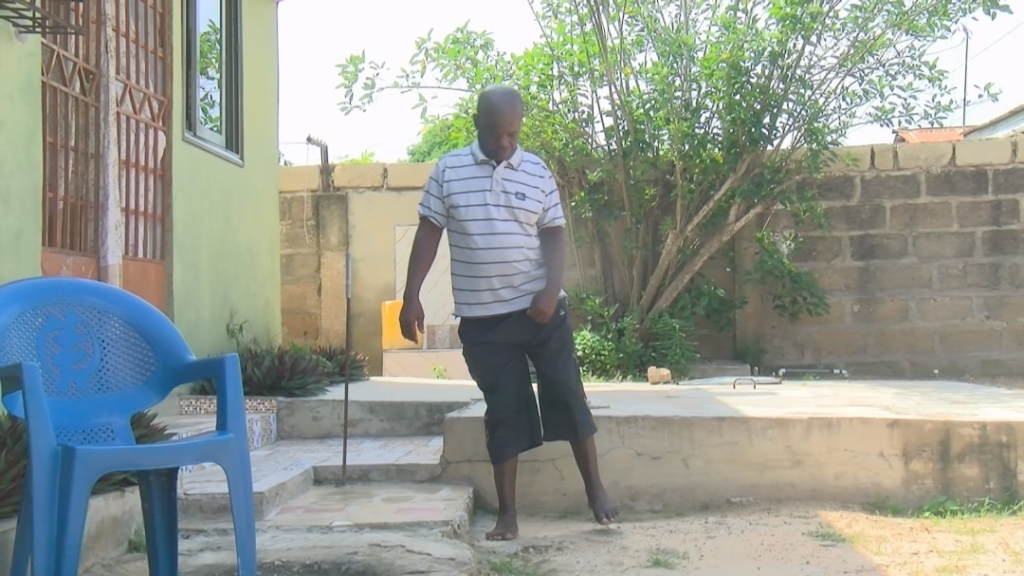
"I’m looking for support to go for physiotherapy to be able to walk smoothly and go back to work”.
Hypertension, also known as high blood pressure, is a major global health concern. According to the World Health Organization (WHO), it is the leading cause of death worldwide.
In Ghana, hypertension topped the list of 11 diseases that caused the most deaths in 2022. This alarming statistic was revealed in a report released by the Births and Deaths Registry.
The report highlighted that out of 50,992 registered deaths, 18,689 were attributed to the top 11 causes of mortality, accounting for 36.7% of all deaths. Hypertension was the leading killer, claiming the lives of 2,573 individuals. Following closely were pneumonia with 2,457 deaths, heart failure with 2,225 deaths, and acute respiratory failure with 2,203 deaths.
Other significant causes included stroke (1,679 deaths), diabetes (1,578 deaths), severe sepsis (1,558 deaths), septic shock (1,401 deaths), chronic liver disease (1,103 deaths), cancer (1,036 deaths), and cerebrovascular diseases (876 deaths).
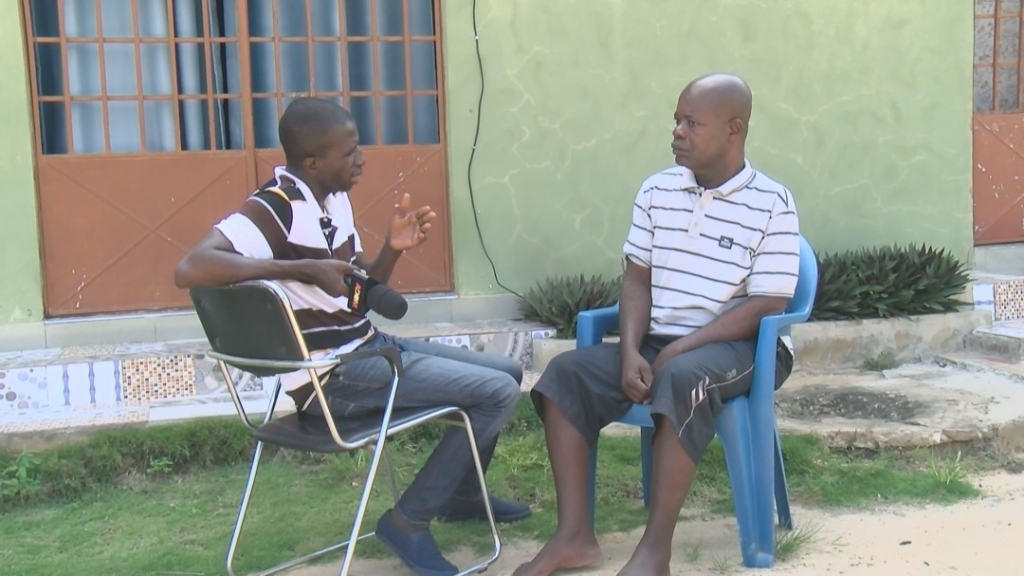
The man's story underscores the personal toll of this public health crisis, highlighting the need for increased awareness and support for those battling hypertension.
As he struggles with his health and the emotional strain of his family's separation, his situation exemplifies the broader impact of this deadly disease on individuals and families alike.
Cases of non-communicable diseases (NCDs) in Accra and Ghana at large, are fast increasing, with cardiovascular ailments linked to hypertension, being a major killer of the aged and middle-aged residents of the capital city.
The Metropolitan Director of Health Services, Dr. Abena Okoh, who made the disclosure, said unhealthy lifestyles are a major cause of chronic diseases, including hypertension.
“The risk factors that can lead to one getting hypertension are someone who does not do any physical activity, taking too much salt, and too much fats and oil in foods, this part of unhealthy eating can cause hypertension.”
Expatiating, Dr. Okoh stated that hypertension was the fifth biggest cause of death in Accra Metropolis for three consecutive years - from 2021 through 2023. A total of 38,826 hypertension cases were recorded in health facilities in Accra within this period.
There were 12,451 cases in 2021, 12,671 cases in 2022 and 13,704 cases in 2023, said the health director.
“Over the years hypertension has kept increasing here in Accra. There are many who are walking in town with hypertension and are not aware of it.”
According to her, asthma followed on the log with 1,364 in 2021, 2,112 in 2022 and 1,661 in 2023. Cardiac diseases placed seventh, posting 418 cases in 2021, and 249 in 2022.
The Accra Metro Health Directorate reckons stroke as a life-threatening disease too, with 187 cases having been recorded in 2021, and 304 in 2022.
Dr. Okoh assured that many deaths from non-communicable diseases can be prevented if communities and policymakers put in place the right measures to educate the public on how to reduce their risk.
Latest Stories
-
Old Tafo MP rolls out street lights project to boost security and night-time economy
3 minutes -
Telecel Ghana CEO urges urgent education reform and stronger industry-academia partnership at UEW Public Lecture
12 minutes -
Nigerian army general and several soldiers killed in assault on military base in northeast
13 minutes -
Dagbamete chief urges completion of road project, expansion of vocational training
21 minutes -
Urgently cancel Truedare AI Customs deal over cost concerns – Joseph Cudjoe to Mahama
27 minutes -
Poor safety habits to blame for recurring boat fatalities — GMA boss, Kamal-Deen Ali
33 minutes -
Owabi 75% blocked, Barekese loses 40% capacity as siltation, plastics threaten water supply crisis
42 minutes -
Ashanti RCC seeks to clear unauthorised garages under new car mall initiative
44 minutes -
DPS International steals spotlight at Ghana Interschool Festival Part 2
45 minutes -
Republic Bank Ghana PLC leverages Kwahu Business Forum deliberations
46 minutes -
Ghana and Artemis II: Hospitality, Love, and Conquest
48 minutes -
AMA enforces planning rules, demolishes wall built on public right of way
51 minutes -
GFA urged to move for Welbeck, Nketiah amid injury concerns
1 hour -
KGL to honour 2025 Corporate Income Tax obligations with GHC150m April payment
1 hour -
KiDi, Kuami Eugene, Adina, others billed for Okyeame Kwame’s 50th birthday celebration
2 hours