

Audio By Carbonatix
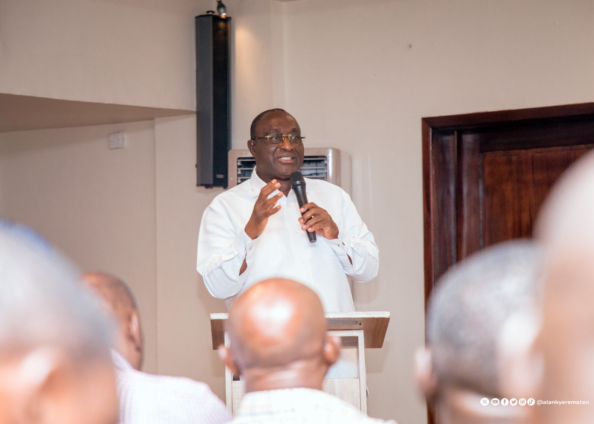
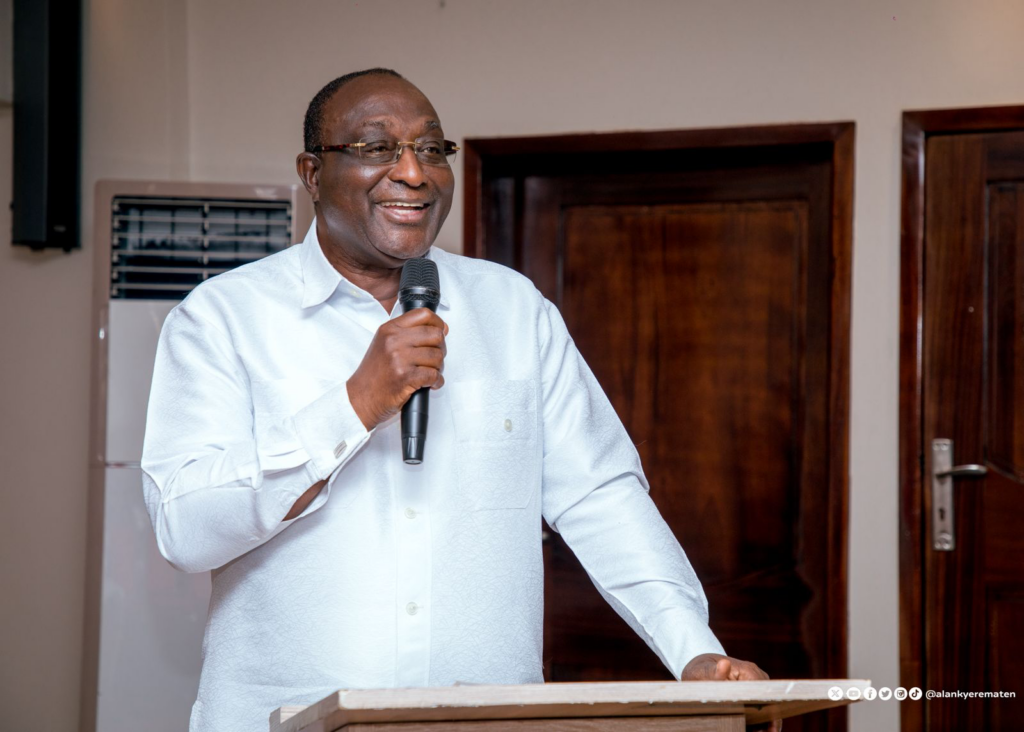
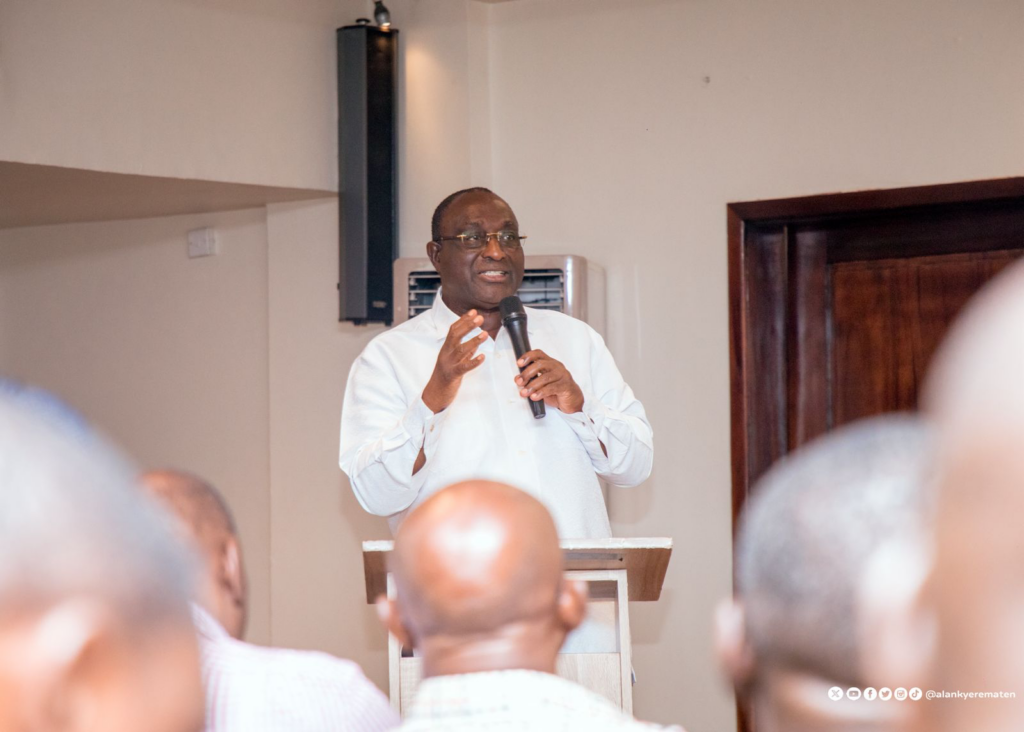
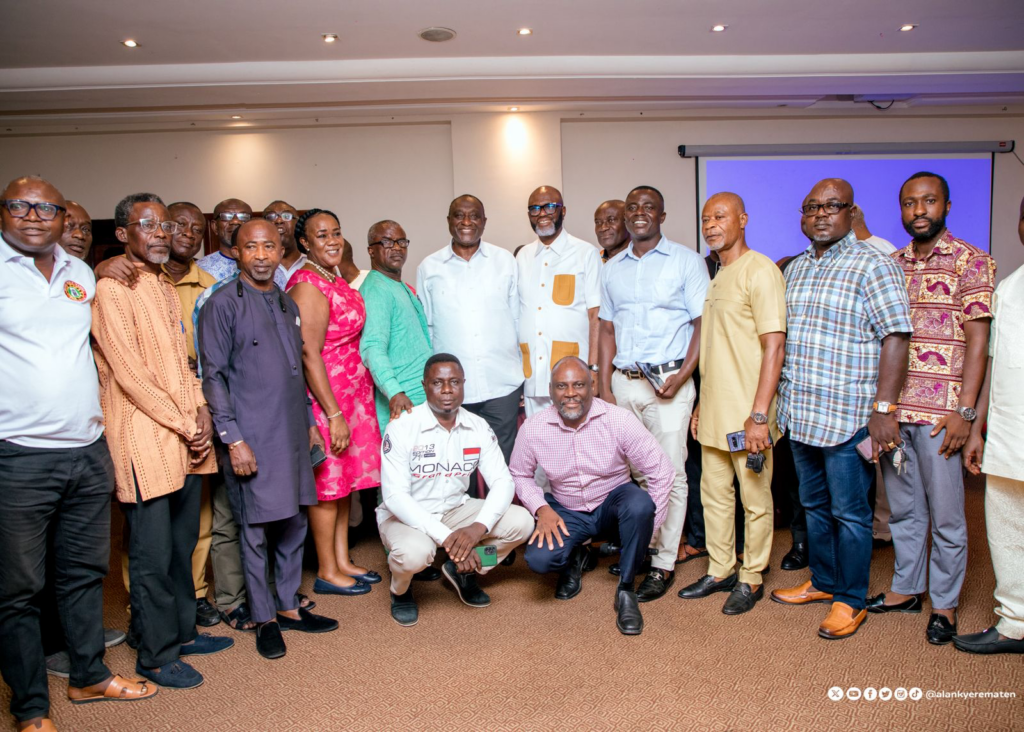
The founder and leader of the Movement for Change, Alan Kyerematen, assured the Ghana Union of Traders Associations (GUTA) that he would eliminate several import taxes if elected into office.
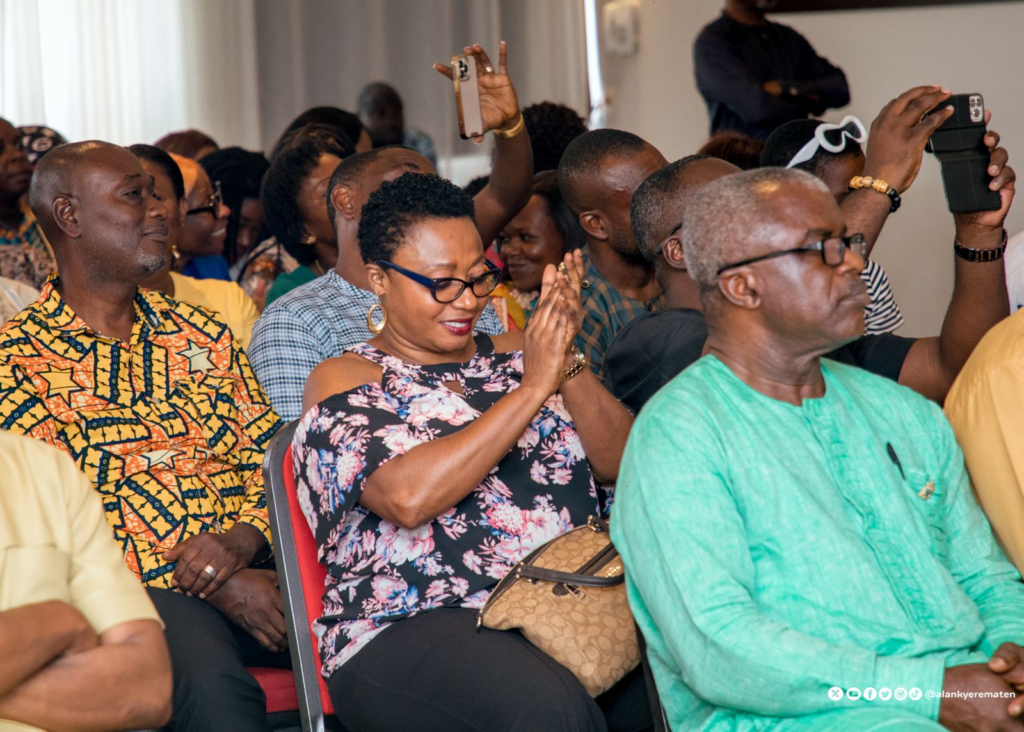
During a meeting with the Association on Wednesday, April 10, 2024, the independent presidential candidate expressed his belief that many of these taxes are unnecessary and impose a heavy burden on the trading community.
"Under my presidency, Ghana will boast the lowest tax rate regime in ECOWAS," he declared.
Kyerematen outlined a series of radical tax reforms aimed at reducing the tax burden on Ghanaians, particularly on imports. Immediate measures would include consolidating the existing NHIL & GETFund levies at the ports into the calculation of a new VAT rate.
He also pledged to abolish the Special Import Levy of 2%, the COVID-19 Health Recovery Levy, and the Ghana Health Service Disinfection Fee.
Within two years of his government's establishment, all taxes and charges on the importation of spare parts would be scrapped.
Moreover, a comprehensive review of all statutory fees on imports imposed by regulatory agencies would be conducted, to consolidate them into a convenient payment system. This system, which would include a new Cash Waterfall mechanism, aims to meet statutory agency requirements while reducing the burden on importers.
Additionally, Kyerematen proposed establishing a fixed exchange rate for the calculation of import duties over a specified period, as well as fixing the exchange rate for specified strategic and essential commodities below the prevailing rate in a 'second window' to mitigate imported inflation.
These proposed tax reforms represent the most extensive and radical review of the import tax regime to date, promising to positively transform the business environment in Ghana.
Dr Obeng, President of GUTA, highlighted the challenges posed by the multitude of taxes in Ghana, noting that apart from VAT, there are 32 additional taxes, totalling nearly 65% of the value of imports.

He also mentioned the presence of over 14 state agencies and various security agencies operating in the port, contributing to the high cost of doing business and encouraging unethical practices.

Kyerematen emphasized the importance of creating an enabling environment for private sector-led growth to improve the livelihoods of ordinary Ghanaians.
Furthermore, he proposed a shift from heavy reliance on indirect taxes to direct taxes to optimize revenue mobilization and make the corporate sector more competitive and profitable.
These plans align with Kyerematen's Great Transformational Plan (GTP), which aims to deliver the vision of Ghanaians for a prosperous, united, and peaceful Ghana that provides equal opportunities for all.
Latest Stories
-
Anti-LGBTQ Bill: Forget the rumour mongers, I’m a man of action, and will pass the bill – Speaker
23 minutes -
Women and children among those killed in Sudanese army shelling of wedding celebration
27 minutes -
President Mahama is not sincere with Ghanaians on LGBTQ bill matter – Hassan Tampuli
44 minutes -
Gov’t to establish Prison Industrial Hub to equip inmates with income-generating skills – Prison Service boss
1 hour -
Alhassan Tampuli donates cement, roofing sheets to support storm victims in Gushegu
1 hour -
Alhassan Tampuli appeals for urgent support for storm victims in Gushegu
1 hour -
The hypocrisy must stop; pass Anti-LGBTQ+ Bill now – Alhassan Tampuli to Mahama
1 hour -
Imprisonment should be rehabilitative, not punitive – Ghana Prisons boss at UNGA
2 hours -
Ga Adangbe traditional priests petition Mahama over McDan aviation licence revocation
2 hours -
Anti-LGBTQ Bill: NDC’s arrogance is worrying – Hassan Tampuli
2 hours -
Let’s give OSP time to mature, not to scrap it – Hassan Tampuli
2 hours -
Nigeria convicts 386 Islamist militants in mass trials
2 hours -
Djibouti president wins election with 97.8% of vote, state media says
2 hours -
We don’t have mandate to deduct tax from rent allowance of security services personnel – Interior Ministry clarifies
2 hours -
Ablakwa receives Presidential Special Envoy on Reparations to advance global agenda
3 hours