

Audio By Carbonatix
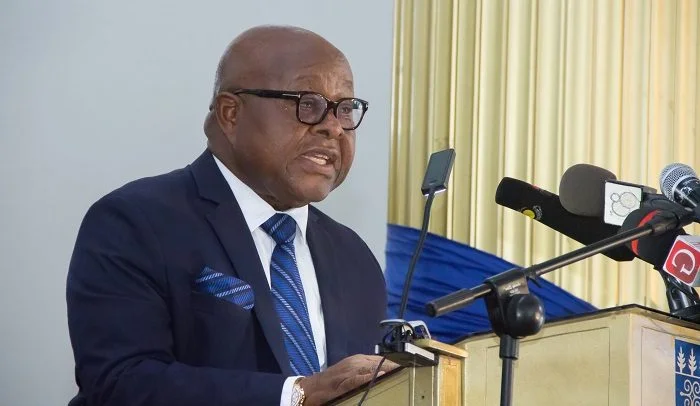
Former Speaker of Parliament, Professor Mike Oquaye, has expressed concern over Ghana’s frequent recourse to the International Monetary Fund (IMF).
He warned that repeated bailouts are not a sustainable answer to the country’s persistent economic challenges.
In an interview on Channel One TV on Monday, December 15, Prof. Oquaye observed that Ghana has turned to the IMF on as many as 17 occasions, largely due to chronic revenue shortfalls that make it difficult for governments to meet expenditure obligations.
He explained that IMF programmes are often triggered when a country reaches acute financial distress, forcing authorities to seek emergency assistance to stabilise the economy.
“Ghana has been to the IMF 17 times. IMF becomes a bailout situation when we are so cash-strapped and need their support,” he said.
According to Prof. Oquaye, the frequency of IMF interventions underscores deeper structural problems that have remained unresolved over the years.
He cautioned that reliance on external support cannot replace the need for fundamental economic reforms.
“These 17 times of being at the IMF cannot be our therapy. It’s not helping us,” he stressed.
He further pointed to the persistent imbalance between government revenue and expenditure as the core driver of the problem, noting that successive administrations continue to spend beyond the country’s means.
“Our financial income, as against our output expenditure, doesn’t match,” he said.
Prof. Oquaye concluded by urging policymakers to focus on long-term strategies to strengthen domestic revenue mobilisation and fiscal discipline, rather than repeatedly relying on IMF support as a stopgap measure.
Latest Stories
-
Calls for Ofori-Atta’s return a non-issue if trial proceeds in absentia – Pius Hadzide
3 seconds -
France names Ghana first beneficiary of newly established National Health Compact
6 minutes -
US Immigration, extradition outcomes likely to influence each other in Ofori-Atta case – Amanda Clinton
9 minutes -
29-year-old woman rescued after hiding in drain to escape attackers
22 minutes -
Gramps Morgan names Ghanaian business leader Monalisa Effah as Ghana-Jamaica Homecoming Ambassador
56 minutes -
CAF President urges faith in African football despite AFCON 2025 issues
1 hour -
AFCON U-17: Black Starlets’ aim is to win trophy – Head Coach Prosper Ogum
1 hour -
ENFA expands access to global capital for Ghanaian SMEs
1 hour -
Beyond security: Why mobile payment fraud has become a customer experience crisis
1 hour -
Former Effia MP demands full disclosure of Truedare AI deal, warns of ‘hidden risks’
2 hours -
Joseph Cudjoe raises alarm over potential revenue loss in Truedare AI Customs deal
2 hours -
Video: Awoshie-Anyaa Highway: Years of fatal crashes caused by faulty traffic lights
2 hours -
No financial transactions with Ghana Card yet, says NIA
2 hours -
Former Netherlands Fire Chief engages GNFS Tema Command on capacity building
2 hours -
Finance Ministry defends Publican AI rollout amid stakeholder concerns
2 hours