

Audio By Carbonatix
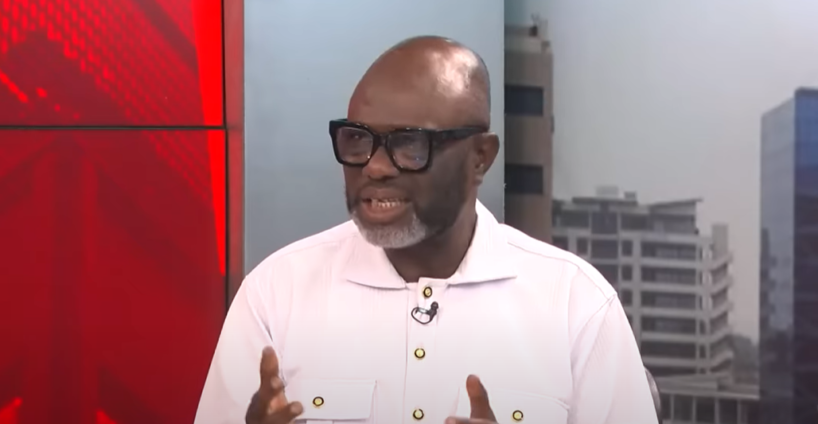
The President of the Ghana Union of Traders Association (GUTA), Dr. Joseph Obeng, says the government’s proposed import restriction bill is not backed by data.
The Trade Minister, K.T. Hammond is set to lay a legislative instrument before Parliament this week seeking to restrict the importation of certain products into the country.
These include, rice, poultry, animal and vegetable oil, margarine, fruit juices, soft drink, mosquito coil and insecticide, soaps and detergents, fish, clothing and apparel and cement.
However, commenting on the bill on Joy FM’s Super Morning Show, the GUTA President explained that the Minister has failed to provide data to buttress his proposition.
He explained that previous import restrictions on products like poultry had failed to live up to expectation, taking into consideration the fact that Ghana’s supply of poultry is currently 90% imported.
“We don’t even have any good reference with it because as I’m speaking there’s still restriction on poultry products but what do we see? We don’t have anything to show that this is a good reference point. We still have a shortfall of about 90% of the demand of consumption and so what do we have to show?” he said.
He noted that there have been no provisions also in the L.I. to cater for monopoly-related abuses.
He said the import restrictions bill should it be passed would be subjected to abuses and the L.I. in its current form does not safeguard against that.
Dr. Obeng further noted that without data backing the bill and measures put in place to ensure that local industries are up to the task to meet demand, the restriction will prove counterproductive.
“And then there’s also no data. It is not backed by data. When you say that you’re restricting imports, what you’re saying is that they’re telling you to reduce the import that you do and look from within what we produce and buy from it.
“And we haven’t done anything to show us that we can be able to get that shortfall from within and that’s what we’re talking about, that we cannot do the restriction thing in isolation.
“You’ll have to do it side by side with your programmes and measures, your timelines that will show that you’re serious about shoring up the local production so that we will be able to continue with our businesses,” he said.
Latest Stories
-
The cost of doing nothing after an infrastructure upgrade
3 minutes -
What Otto Addo did against Germany is not coaching – Alban Bagbin
9 minutes -
Fuel Price Hikes: ACEP calls for stronger support for private fuel storage to safeguard supply
17 minutes -
ACEP urges suspension of some petroleum levies amid fuel price hikes
18 minutes -
Break barriers, build resilience – AWMA champions Women’s empowerment in Media
31 minutes -
Ghana’s Proposed Loans Act: Can Legislation Enforce What Conditionality Cannot?
45 minutes -
Minority accuses government of lifting cement import restrictions, says move undermines local industry
48 minutes -
Ghana Reference Rate drops to 10% as further interest rate cuts loom
52 minutes -
Tuanzebe sends DR Congo back to World Cup after 52 years
53 minutes -
Mrs Sheila Naa Oyoe Dickson nee Watson-Quartey
1 hour -
3rd edition of Democracy Cup launched, with main event scheduled for August 30 in Kumasi
1 hour -
Ghana strengthens child road safety with new driver’s guide and amendment act
1 hour -
GPRTU to await President’s fuel tax cut before finalising fare adjustment
2 hours -
ECG Billing concerns raise questions about Transparency and Consumer Trust
2 hours -
Three years on, Tongu flood victims still wait as chief pleads for help
2 hours