


Audio By Carbonatix
For the past four weeks, the Springboard, Your Virtual University, a radio programme on Joy FM has been discussing the changing world of work. The programmes has tried to look at how technology, COVID-19 and changes in customer preference have combined to change the way people work.
To help do this, the Springboard has examined reports from various global and local agencies in its quest to explore how much change has been witnessed in working styles.
This week, the discussion continued with focus on innovative business models that have emerged.
It has emerged that brick and mortar should not be the focus of businesses going forward but how much have companies changed in terms of the composition or the style of delivery of their business.
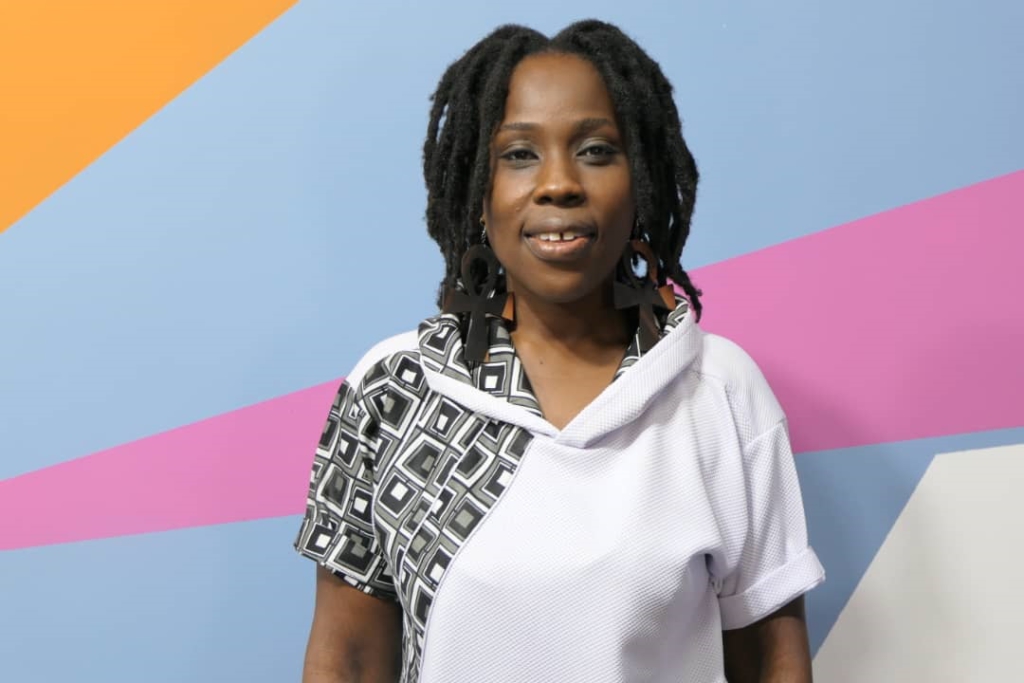
Helping with the discussion were Co-Founders of Wear Ghana Ms Awura Abena Agyeman, and Ms Angorkor Nai-Kwade; and the Chief Executive Officer of Book Nook, Nana Awere Damoah.
Different business model
Ms Nai-Kwade pointed out that the business model of Wear Ghana was different from the traditional business model.
“The way we launched and even started the brand is very different from what the traditional one is. We used social media and about 90 per cent of our sales now is done through social media.
“We launched the brand and our first retail collection is still running on social media. We didn’t have any brick and mortar structure and it was just recently that we got a shop. Most of our sales are done online and we deliver to the customer,” she stated.
Size not about big factories
Ms Nai-Kwade noted that the size of a company was not only down to how big its factory was and the number of people it employed.
“The thing with size is not necessarily big factories or lots of tailors to be producing a lot of things. What you need to be doing is to be working smart. Because someone can have a company that has 50 people working and producing less than someone who has five people working.
“It’s about how we work efficiently with what we have. It is very important to work smart and understand how to use whatever you have to get the best results,” she stated.
She, however, advised young entrepreneurs to have a good understanding of the industry they were venturing into.
“When you are going into an industry, you should understand that industry. If you want to go into fashion, you need to understand what it takes to make clothing, and how long it takes to finish one item,” she noted.

Clients focus is on quality
For her part, Ms Agyeman, said the focus of clients was on the quality they were getting and not who was behind the machine.
“As soon as you tell someone you are a fashion entrepreneur; the next question is ‘do you sew? The owner of Zara is not the one behind the sewing machine and clients do not care whether I am the one who sewed or not.
“When they deal with Wear Ghana, they are looking at the quality, the service, reliability and convenience. They are also buying into the story of brand. This is a brand that believes we are more than a fashion brand, we believe in Africa, and we are trying to build Africa’s most loved brand.
“We are giving out tangible evidence of African excellence and that is the story that our clients are buying into.
“This is one of the things that we think must happen quickly, not only in our industry but in all the businesses that are coming up now. We should go beyond that table top mentality that we often use to cage people’s ideas. We don’t ask those questions about Zara, Gucci but we ask the entrepreneurs that are here,” she explained.

Sum total of experiences
Mr Damoah also pointed out that an individual was the sum total of his or her experiences in life.
“From where I started my career, we were taught that when it comes to work or any endeavour, it’s your ability to think and learn. When you go to the university, you don’t go to learn any particular subject but go there to learn how to learn and that is the first thing.”
We should do a horizontal application of knowledge rather than vertical application. If you are a banker, you should be able to use the skills that you have learnt in banking to apply to agriculture, if you are an economist, you should be able to survive as a caterer, using the principles of economics.
“I believe everything that I have learnt in the past is relevant to what I do now. I am the sum total of all my experiences in the past,” he stated.
Latest Stories
-
Top Australian soldier charged with war crimes to remain in jail on remand
8 minutes -
US journalist Shelly Kittleson released after kidnap in Iraq, officials say
9 minutes -
Starmer to visit Middle East after US and Iran reach ceasefire deal
11 minutes -
Telcos and regulators are failing Ghana on Mobile Money fraud
40 minutes -
Discussions on petroleum taxes review ongoing with Finance Minister – Jinapor
46 minutes -
BMW Club Ghana partners National Road Safety Commission for “Stay Alive” Easter road safety campaign
52 minutes -
Health Ministry launches World Health Day 2026, urges science-based action
1 hour -
MMFL anchors MTN Group’s fintech push in Ghana
1 hour -
Ghana’s economy shows recovery signs, but risks persist – S&P maintains stable outlook
2 hours -
SWAG commemorates its 8th anniversary with a public lecture
2 hours -
Ibrahim Mahama claims Police Commander failed to stop alleged assault
2 hours -
Damang lease award to E&P followed due process — Minerals Commission
2 hours -
Today’s Front pages: Wednesday, April 8, 2026
2 hours -
Julian Opuni reaffirms Fidelity Bank support for industry-led skills training at DTI Berekuso campus
2 hours -
CAF President arrives in Dakar to meet Senegalese President, football authorities over AFCON title saga
2 hours