

Audio By Carbonatix
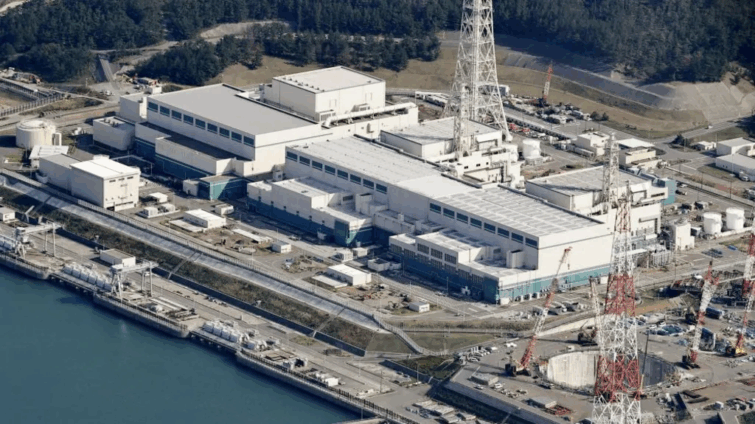
Japan is edging closer to approving the restart of the world's largest nuclear power plant - the first time it would be operated since the 2011 Fukushima disaster.
Hideyo Hanazumi, governor of the Niigata region where the Kashiwazaki-Kariwa power plant is located, said he has given the green light for the partial restart.
The plan to resume operations at the facility, operated by utility company Tepco, still needs approval from the prefecture's government assembly and Japan's nuclear regulator before it can proceed.
If approved, it would be the first time Tepco would be allowed to recommence nuclear reactor operations in Japan since its Fukushima plant went into meltdown following a tsunami.
Residents in Niigata are divided over whether the plant should be restarted or not.
Hanazumi told a news conference on Friday that his decision would be discussed in December at a prefectural government assembly, where he would seek the assembly's approval.
The approval would be for the recommencement of operations at theKashiwazaki-Kariwa plant's No 6 reactor, followed by the No 7.
The resumption of operations at the facility is part of Tepco's business reconstruction plan following the Fukushima meltdown, which was caused by a 9.0-magnitude earthquake and massive tsunami.
When the plant's reactors were flooded by the tsunami, it caused radiation to leak out and forced 150,000 people to be evacuated from the area.
Japan ordered all its nuclear power plant reactors to be shut down in 2011 following the disaster. Since then, 14 reactors have resumed operations.
Tepco was ordered to pay trillions of Japanese yen in damages to those affected and is also paying for the plant's decommissioning costs.
A survey released by Niigata prefecture last month suggested 50% of its residents supported the plant's restart, while 47% were against it. It also indicated that almost 70% of people in the prefecture were concerned about Tepco running the plant.
Friday's decision demonstrates a desire among some in Japan to move towards increased use of atomic energy to reduce dependence on fossil fuels, as the country pursues a goal of net zero carbon emissions.
Latest Stories
-
Church of Pentecost supports over 2,000 BECE candidates in Obuasi with career guidance seminar
56 minutes -
Brandon Asante and Coventry all but promoted to Premier League despite Sheffield Wednesday draw
1 hour -
GPL 2025/26: Late Kwartemaa strike downs Hearts in Tema
1 hour -
Ghana Faces Sierra Leone Moment as Prosecutorial Powers come under strain
2 hours -
Don’t consume fish or seafood from Tema Shipyard until further notice – FDA warns
2 hours -
Why volunteering might be Africa’s most underrated career accelerator
2 hours -
ActionAid Ghana raises concern over gender gaps in Feed Ghana Programme
2 hours -
Windstorm wreaks havoc in Gushegu, displacing nearly 2,000 residents and damaging schools
2 hours -
Friends of Bridget Bonnie Marks her 35th birthday with donation to Kasseh Model Health Centre
3 hours -
From Ekumfi Kokodo to the Pulpit Stage: Essi Donkor’s gospel journey takes shape
3 hours -
Landfilling waste management creates no value, it’s an economic waste
3 hours -
Photos: Speaker Bagbin Commissions MPs constituency office under parliamentary decentralisation programme
3 hours -
Black Stars technical advisor Winfried Schäfer sacked as GFA shakes up backroom staff
3 hours -
Wenchi water project almost complete, critical to gov’t agenda – GWL MD
4 hours -
Anti-LGBTQ+ bill not part of government’s legislative agenda – Inusah Fuseini
4 hours