

Audio By Carbonatix
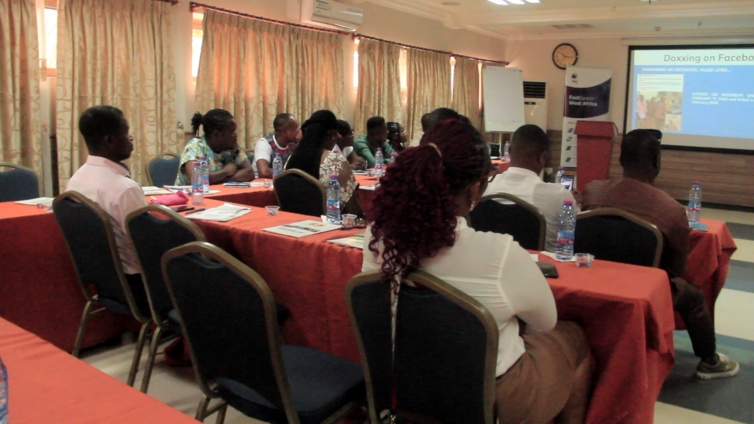
A group of journalists from the Ashanti, Bono, Ahafo, Bono East, and Western North regions have been equipped in a one-day training aimed at enhancing their ability to verify information.
The goal was to prevent the spread of misinformation on mainstream media during the December 7 election, helping to ensure a free, fair, and credible process.
The training held at Fumesua near Kumasi also provided journalists with digital tools and skills to identify and correct election-related misinformation, fostering accurate reporting and informed public discussions.
The training, organised by Fact Space West Africa in partnership with the Ghana Centre for Democratic Development (CDD-Ghana), also aimed to involve journalists in identifying viral claims on social media, as well as in offline and local areas. Journalists were encouraged to collaborate in verifying this information.
Participants were trained on topics including the basics of fact-checking, recognising AI-generated and manipulated content, the role of journalists in tackling election misinformation, and issues related to cybersecurity and online safety.
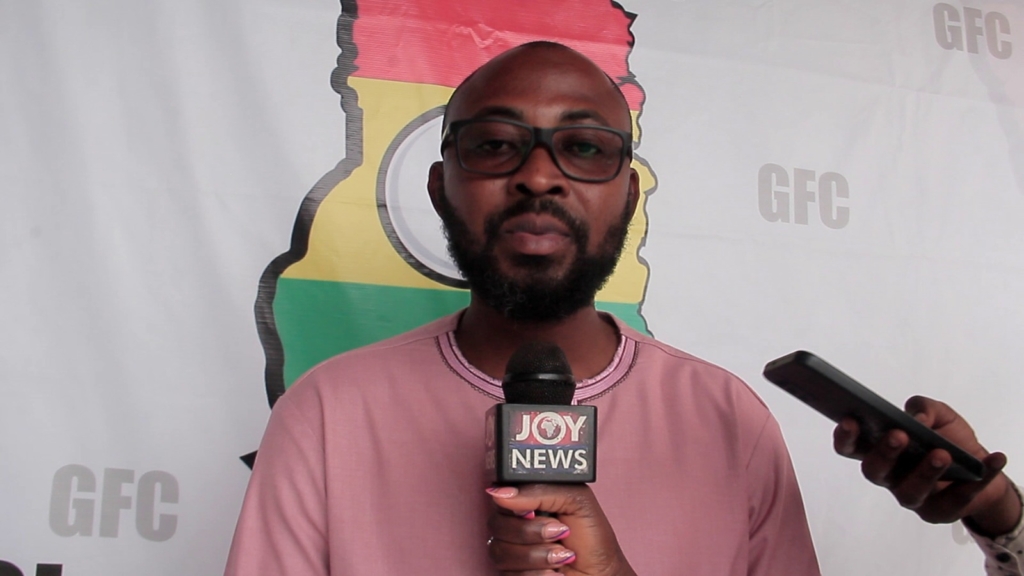
Executive Director of FactSpace West Africa, Rabiu Alhassan, stated that journalists were provided with a variety of fact-checking tools.
“It is important that journalists' capabilities are built to be able to know the basic digital tools to use to verify some of the information so they do not become a conveyor belt for spreading misinformation and disinformation."
He explained that the goal was to motivate participants to publish fact-checked content in local languages on their platforms, contributing to the effort to clean up the information ecosystem.
The Programs Officer of CDD-Ghana, Sharon Willis Brown-Acquah emphasised that traditional media continues to be a vital source of information for many citizens, so any information disseminated must be accurate and verified.
She noted that misleading narratives had previously played a major role in shaping voter perceptions and behaviors, often leading to increased polarization and conflicts during elections.
“Fact-checking is very crucial not only for maintaining the integrity of news reporting but also fostering public trust.”
Some of the participants shared their thoughts on the training, expressing how valuable it was in enhancing their skills to combat misinformation. They appreciated the opportunity to learn fact-checking techniques, the use of digital tools, and how to identify and counter election-related falsehoods.
Latest Stories
-
TTAG raises alarm over proposed recruitment of 7,000 teachers, demands national posting roadmap
21 minutes -
Civilians feared killed after reports of air strike on Nigerian market
31 minutes -
Bishop Simon Kofi Appiah installed as new Jasikan Diocese Bishop
32 minutes -
Trump’s Strait of Hormuz blockade threat raises risks and leaves predicaments unchanged
34 minutes -
US Court backs extradiction of former MASLOC CEO Sedina Tamakloe-Attionu’s to Ghana
53 minutes -
Seven arrested as NAIMOS dismantles illegal mining camp, seizes firearms at Boin River
55 minutes -
Fire erupts at Madina Ritz Junction, destroys multiple wooden structures and containers
1 hour -
Daniel-Kofi Kyereh returns from long-term injury, registers assist for Freiburg U23
1 hour -
Knifeman calling himself ‘Lucifer’ slashes three at NYC’s Grand Central
2 hours -
Brands are built from within to without
2 hours -
Matriculants urged to pursue excellence as gov’t reaffirms support for Maritime education
2 hours -
See the areas that will be affected by ECG’s planned maintenance on Monday, April 13, 2026
2 hours -
GPL 2025/26: Salim Adams double fires Medeama back to summit after Kotoko rout
2 hours -
Two robbery suspects convicted following violent gold dealer attack in Obuasi
2 hours -
Supreme Court @150: Fanfare meets reflection as nationwide activities roll out
2 hours