

Audio By Carbonatix
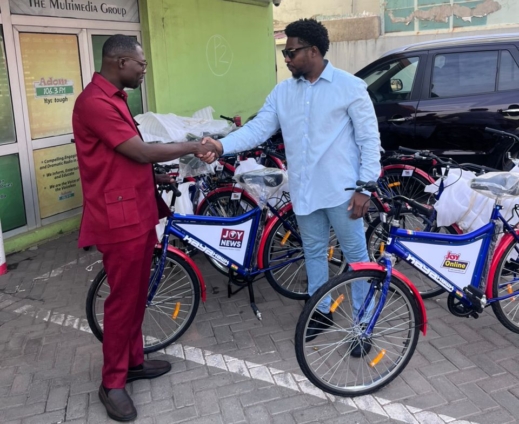
Trans Sahara Industries, in partnership with Opportunity International, has donated 11 bicycles worth Gh₵26,400 to students in the Nanumba North District as part of their Bicycle for Growth initiative.
This donation follows a JoyNews report highlighting the plight of students who have to walk over 12 kilometres daily to access education.
Read also: Students in Nanumba North Municipality walk 12km to and from school to access JHS education

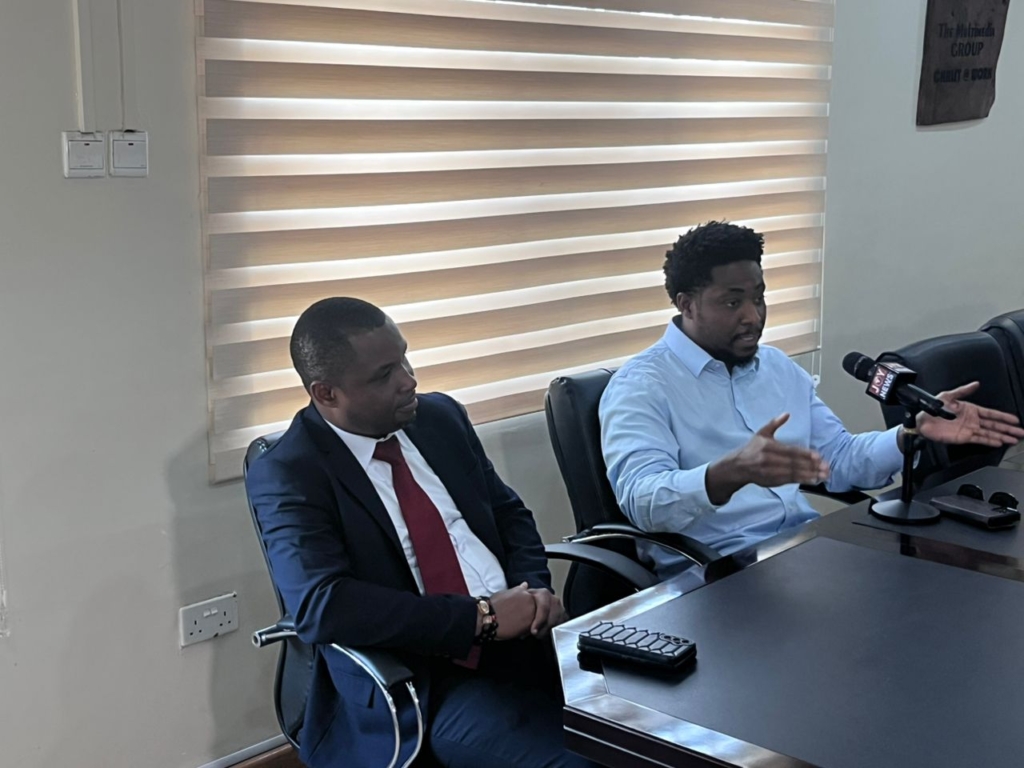
Gerald Acheampong, CEO of Trans Sahara Industries, explained that the goal of the initiative is to improve transportation for students in under-served communities.
He emphasised that providing bicycles would alleviate commuting challenges for students in remote areas, enabling them to access education more easily.
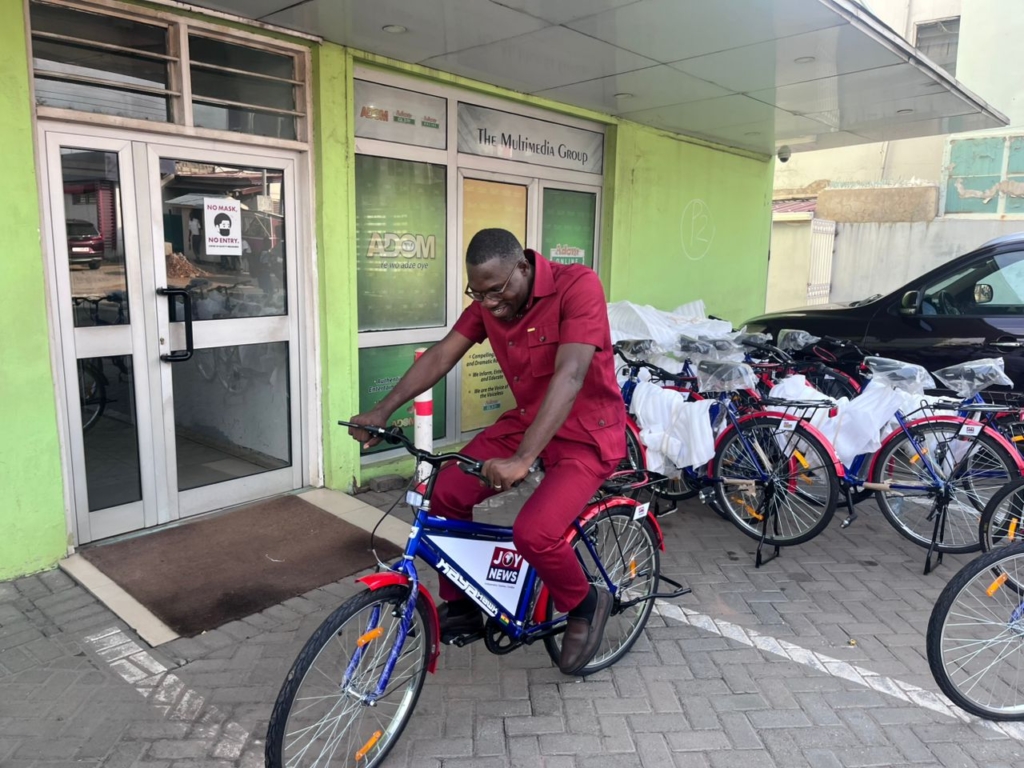
Trans Sahara Industries, a company that assembles bicycles and electric motorcycles, initially collaborated with USAID to distribute bicycles to disadvantaged communities in Ghana.
However, following USAID's withdrawal of support, the company sought alternative partnerships to continue the project.
Acheampong shared that discussions with traditional leaders and government officials, including a visit to Otumfuo's palace, led them to collaborate with Opportunity International and address the challenges faced by students in the Northern region.
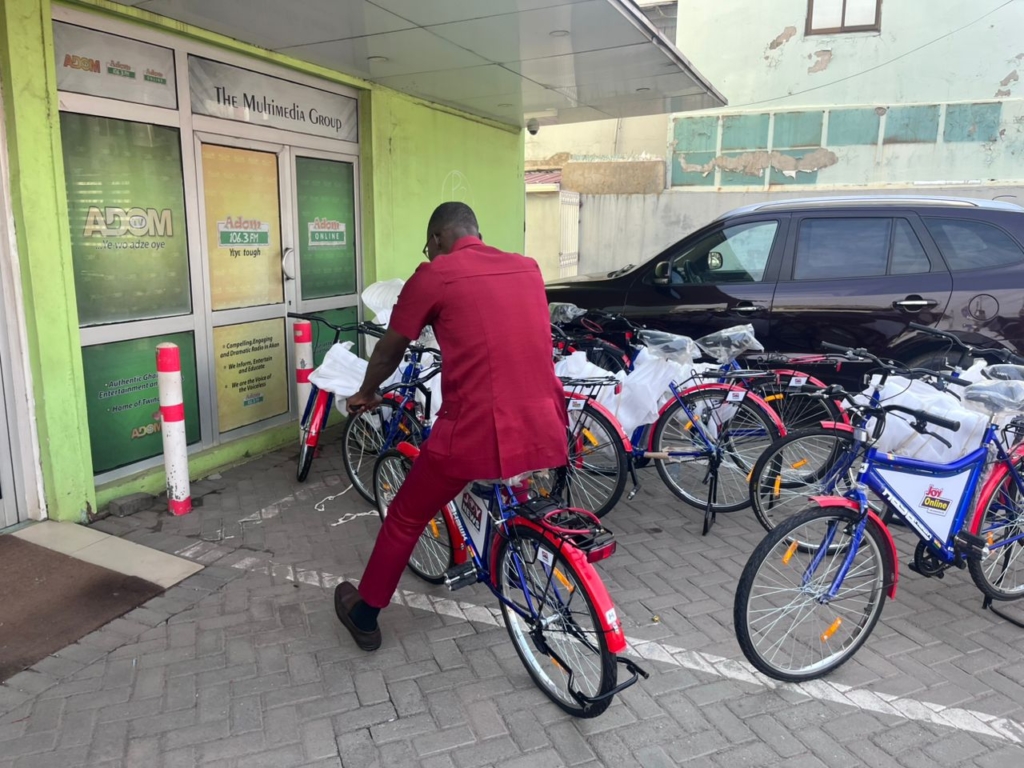
The decision to donate to the Nanumba North District was directly inspired by a JoyNews report on the struggles of students, some of whom walk up to 14 kilometres each day to school.
With financial backing from Opportunity International, Trans Sahara Industries aims to reduce the burden of long-distance travel, improve school attendance, and enhance access to education.
In communities like Kubuabu, Namani, Manchuni, Jeji, Na Sungdo, and Tigbando, where many children must walk several kilometres to continue their education, this donation will provide crucial support.
Students like Grundoow Godwin, who travels 14 kilometres each day, will benefit from the initiative, reducing their daily struggles and enabling them to pursue their education more easily.
The Bicycle for Growth project is expected to make a significant, long-lasting impact on students in remote areas, improving their access to education and enhancing their quality of life.
Latest Stories
-
Ghana not going to the World Cup just to make up numbers – Jordan Ayew
19 minutes -
Three arrested over the killing of Abamba Queenmother in Bono East
20 minutes -
Daily Insight for CEOs: Defending and expanding market share
23 minutes -
Auditor-General report flags GH¢162m in overstated claims by state agencies
23 minutes -
GH¢1.4 bn duplicated claims uncovered across MDAs – Deputy Finance Minister
29 minutes -
‘We don’t need more additions’ – Jordan Ayew backs current Black Stars squad
29 minutes -
ActionAid Ghana, the EU and GIZ hand over new dam to Buka community
32 minutes -
US-Israeli war on Iran escalates as Trump warns of incalculable hit if Strait of Hormuz is blocked
35 minutes -
Multivitamins could reduce biological age in older adults by months, study finds
43 minutes -
African insurance leaders meet to chart path for industry growth and resilience
57 minutes -
SSNIT assets hit GH¢25bn amidst TUC calls for grassroots pension literacy
57 minutes -
Asante Akim North MP sponsors bill to regulate campaign financing
58 minutes -
Full text: Deputy Finance Minister delivers A-G’s report on 2024 arrears and payables
2 hours -
Audit uncovers GH¢159m ‘ghost’ teacher trainee arrears
2 hours -
Societe Generale Ghana records resilient performance amid macroeconomic resetting
2 hours