

Audio By Carbonatix
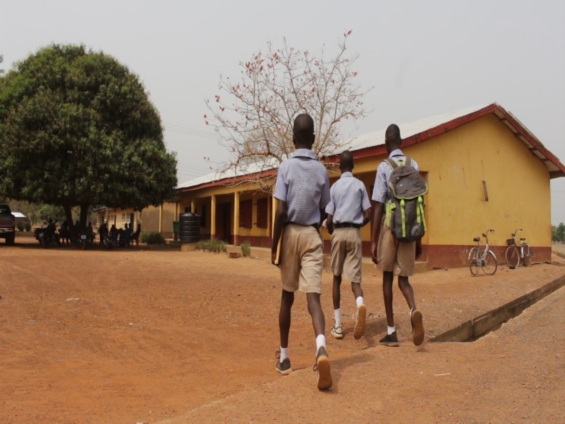
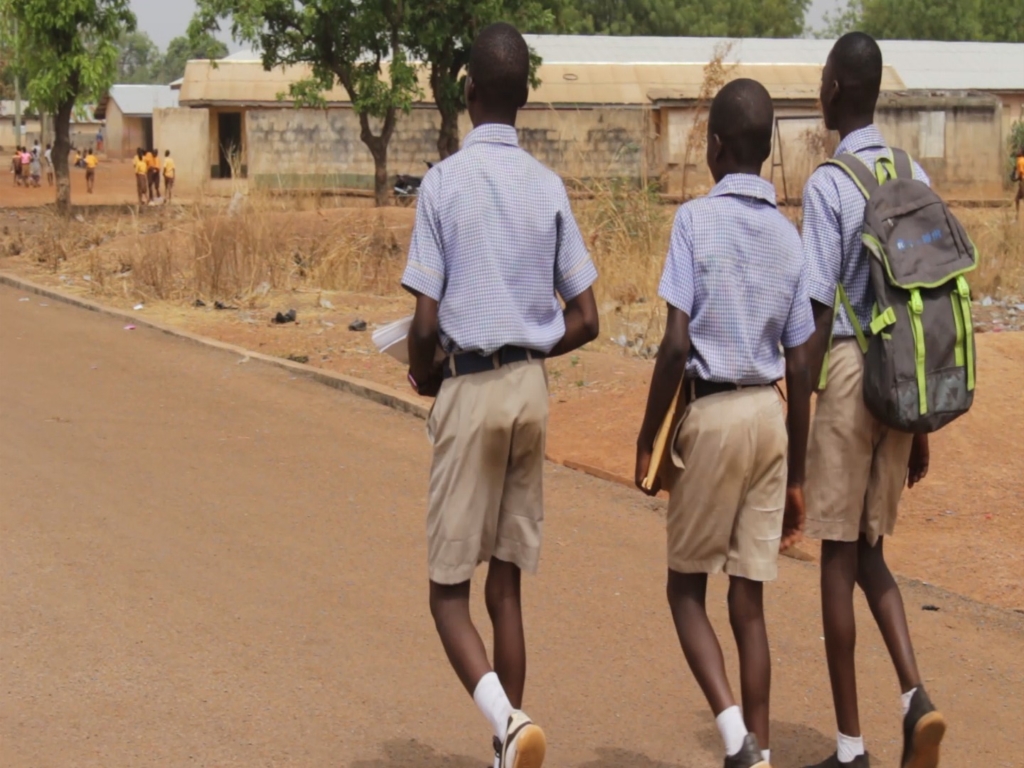
Many communities in the Northern Region still have children who walk long distances to access education.
In the Nanumba North District, accessing Junior High School education in communities such as Kubuabu, Namani, Manchuni, Jeji, Na Sungdo, and Tigbando, among others, comes at a price.
Many of these communities lack upper primary schools, forcing children to walk several kilometres to continue their education.
JoyNews visited Kubuabu, where Grundoow Godwin treks 14 kilometres each day to and from school.
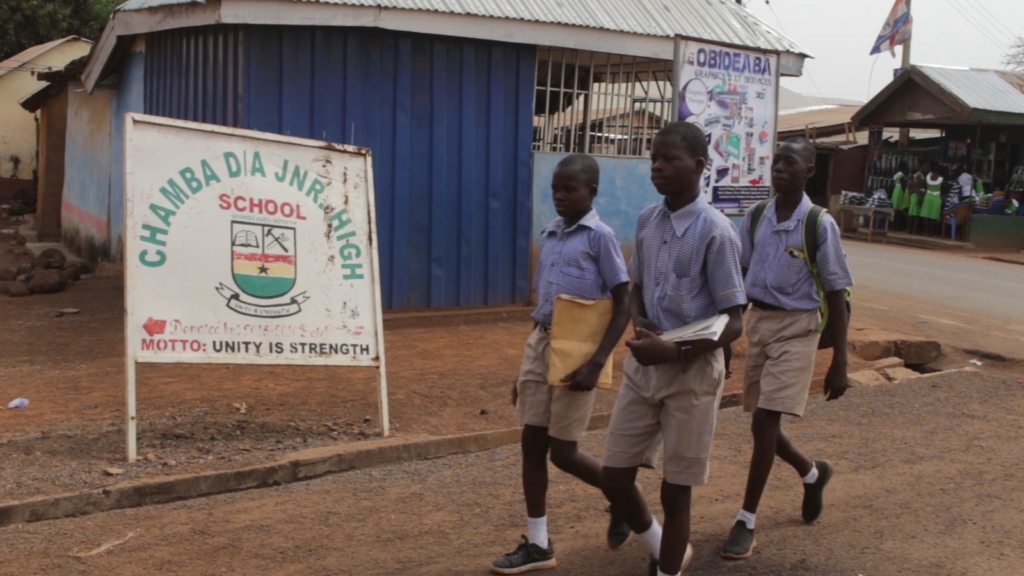
For these children, it is a daily struggle to sometimes navigate through the lonely bushes just to get to school.
"The journey to my school in Chamba is very far, but I have to travel every day," Gordon said.
Gordon's daily struggle mirrors the lives of many other children who walk between 7 to 12 kilometres each day.
The Junior High School student knows that education is his ticket to a better life. He is determined to succeed, no matter the distance.
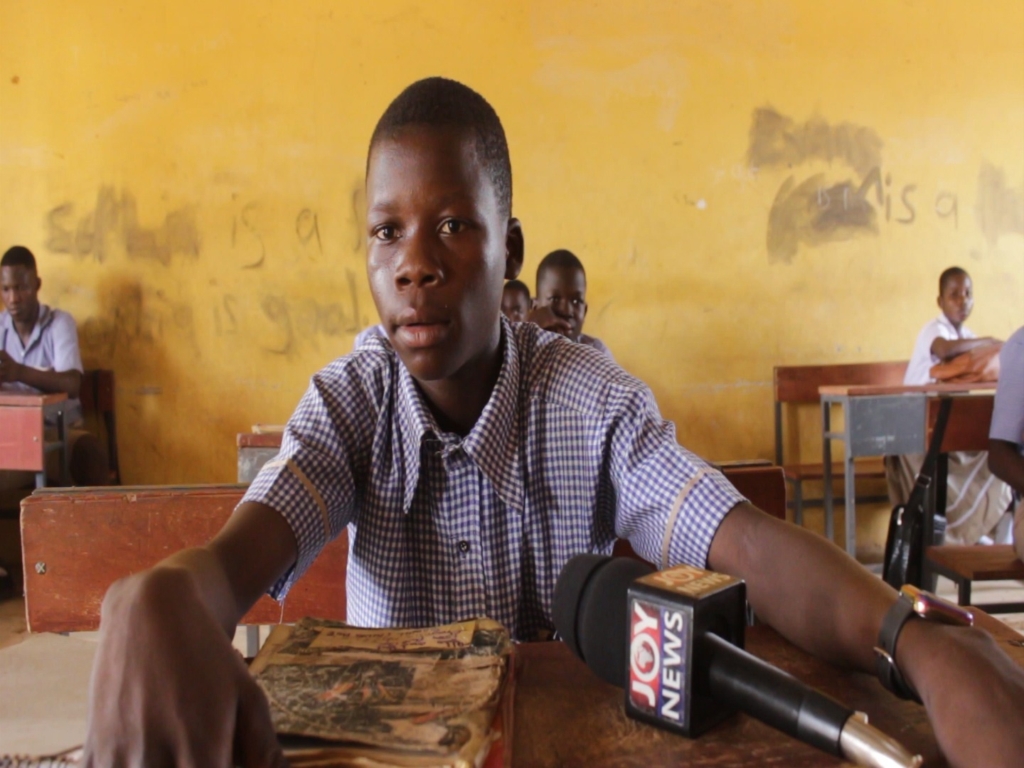
"I join my other mates who also travel long distances so that we keep each other company. That way, we are able to go every day," he said.
Back at Gordon's home, his mother, Makpa, puts in every effort to get him to school because she sees him as her key investment in securing a better future for their family.
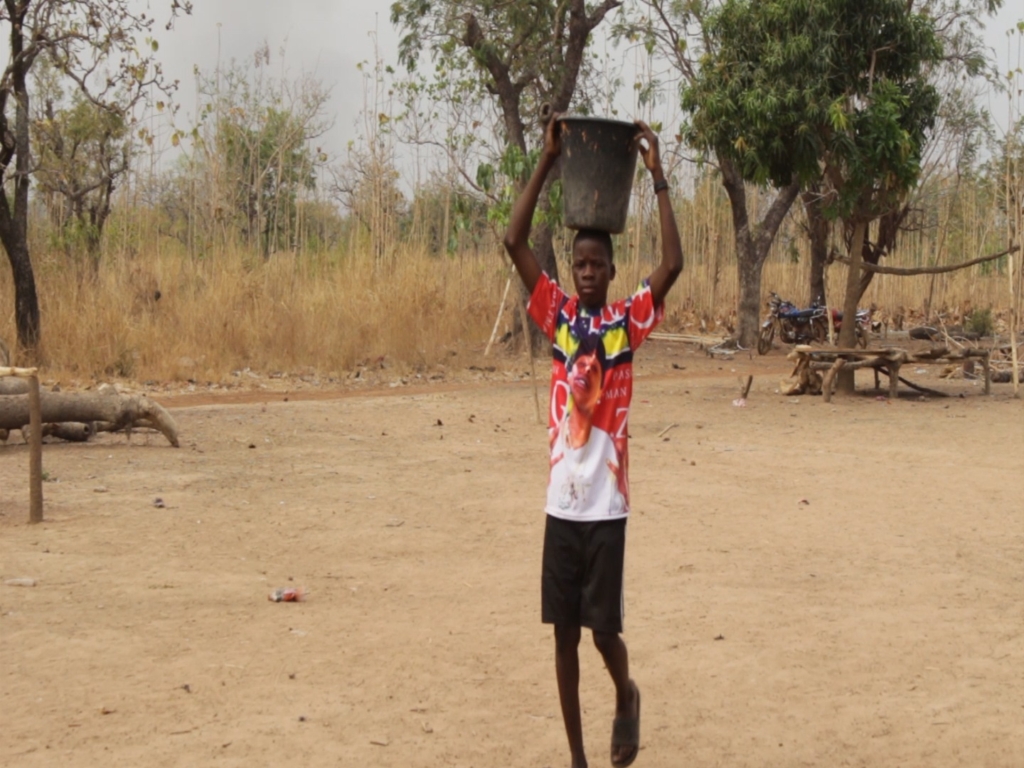
"Godwin is my son, and I want him to go to school and become a great person in the future. He helps me fetch water to cook for the family before walking to Chamba for his education. I dream of him becoming a professional doctor so he can help me take care of his siblings. His father is no longer with us, and I’m struggling to provide for them. I don’t want all my suffering to be in vain.
"I cultivate yam, okra, pepper, maize, and groundnuts. When I harvest, I set aside portions of the produce to meet Godwin’s needs, such as sandals, clothes, pens, and books. I also ensure he has food to take with him to school," she said.
Gordon's teacher, Norbert Yelim, expressed concern about the distance Gordon commutes to school, adding that it is affecting his academic performance.
"My last observation, when I followed up to Gordon's community, revealed that it is 7 kilometres from his home to the school. Gordon often arrives 30 minutes to an hour late, and this is affecting his education," Mr Yelim said.
The Ghana Education Service representative, Samuel Kwaku Kwayaba, acknowledged that children walking long distances to school remains a concern for the service.
He stated that this challenge has led many children to drop out or perform poorly due to the daily struggle.
Latest Stories
-
Stakeholders demand action against foreign-led illegal mining in Ahafo Region
21 minutes -
Ghana handed tricky draw at 2026 Amputee World Cup
28 minutes -
2024 Nyankpala election violence: Youth group petitions authorities over slow probe
32 minutes -
Ghana, UNICEF strengthen partnership to advance child protection
56 minutes -
Day Two of 3rd Republic Bank-JoyNews Habitat Fair ends with great homeownership offers and financing solutions
60 minutes -
Guinness Ghana DJ Awards 2026 Pub Fest celebrates Ghana’s DJ culture as Accra turns up the energy
1 hour -
10th woman found dead in South Africa’s string of killings
1 hour -
French Embassy trains Ghana Police CTU in counter-terrorism operations
2 hours -
UPSA uncovers mass results manipulation involving 178 students, over 500 results compromised
2 hours -
ECG announces planned power outages in parts of Tema from Sept. 29 to October 1
3 hours -
Sylvester Mensah urges Latenu FM to promote trade, export opportunities in Ga
3 hours -
Ga language under threat of decline as children shy away from speaking it – Sylvester Mensah
3 hours -
‘Let every Ga child you raise know the Ga language and story’ – Sylvester Mensah
3 hours -
‘We are not deterred’ – Ablakwa responds to backlash over South Africa evacuation
3 hours -
Day Two: Republic Bank-JoyNews Habitat Fair gains momentum at Junction Mall
4 hours