


Audio By Carbonatix
A Justice of the Supreme Court, Justice Dennis Dominic Adjei, FGA, has called for comprehensive and enforceable policies to strengthen Ghana’s publishing industry, safeguard local production, and enhance the nation’s literacy and educational development.
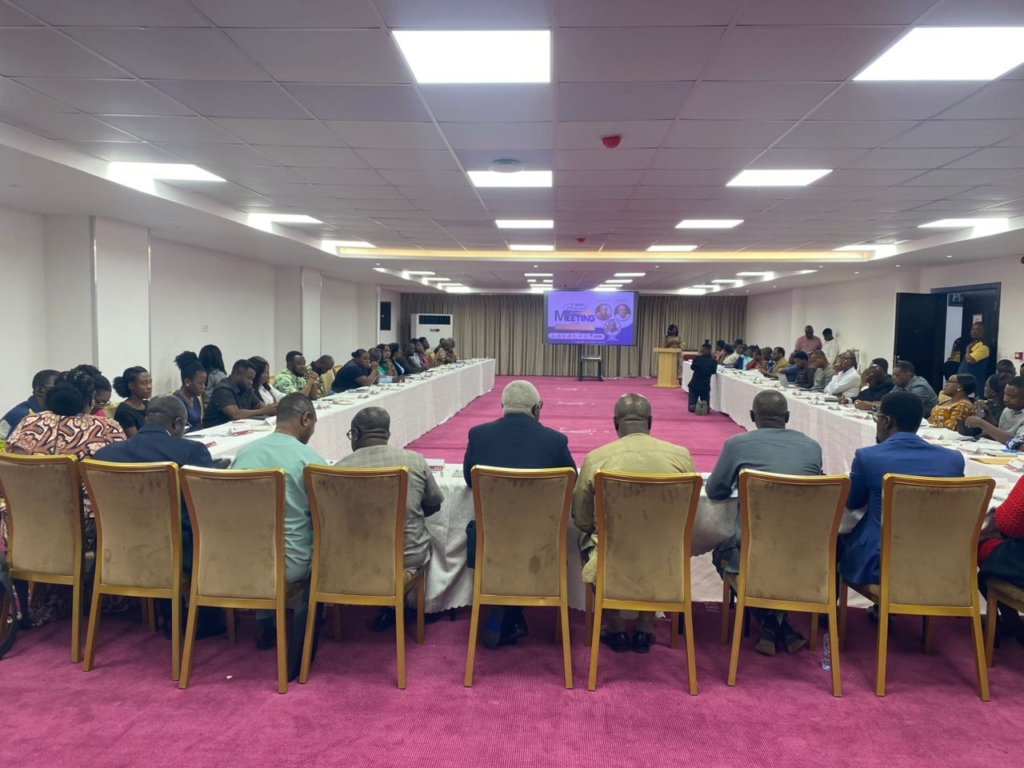
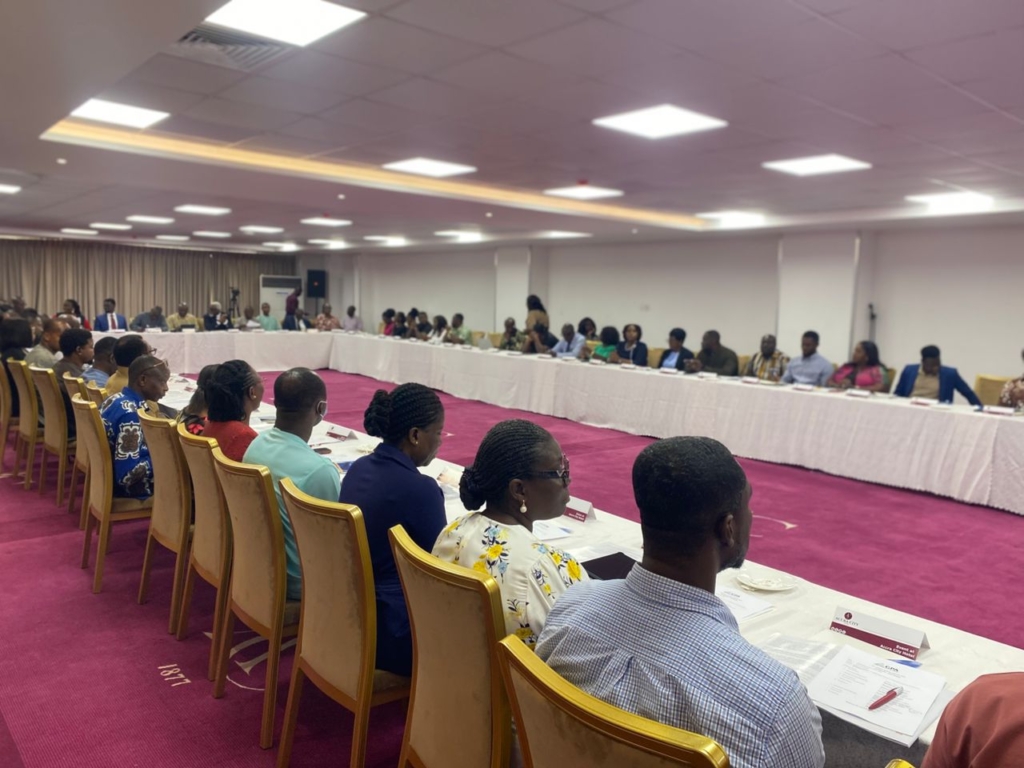
Addressing the 48th Annual General Meeting of the Ghana Publishers Association (GPA) at the Accra City Hotel, Justice Adjei commended the Association for choosing the theme, “Policy as a Catalyst: Transforming Ghana’s Publishing Ecosystem for National Development.”
He described the theme as “timely and thought-provoking,” and called on all actors within the publishing ecosystem to unite and drive meaningful change through sound policy and collaboration.
“The topic calls upon publishers, authors, printers, distributors, booksellers, readers, literary agents, editors, designers, industry associations, libraries, and educational institutions to develop policies that drive positive change and improvement in the publishing industry,” he said.
Justice Adjei likened the publishing ecosystem to the human body, drawing inspiration from 1 Corinthians 12:12–26 to illustrate the importance of interdependence among all industry players.
“If one part of the body suffers, all the other parts suffer with it,” he quoted. “We need all the components of the publishing ecosystem to come together as a team to produce books, journals, magazines, and other publications that can eradicate illiteracy and promote national development.”
He noted that the publishing sector cannot thrive without close collaboration between authors, printers, editors, designers, booksellers, readers, and educational institutions. Strong unity, he said, would enable Ghana’s publishing industry to withstand competition from foreign publishers and retain control of local book production.
Justice Adjei called for the strict implementation of a Local Printing Policy to protect domestic printers and publishers from being edged out by foreign firms that benefit from tax incentives and cheaper production costs.
“Local printing policies must be strictly observed to protect local industries,” he stressed. “Otherwise, our industries will operate below capacity, be forced to charge higher prices, and eventually collapse, resulting in job losses and economic setbacks.”
He questioned why some Ghanaian authors publish their books abroad in countries such as South Africa, India, and China, and urged stakeholders to examine the issues of quality and production costs that drive such decisions.
“If industries are not protected, the smaller ones may be forced to liquidate, with severe economic consequences, including labour layoffs,” he cautioned.
Justice Adjei emphasised the need for capacity-building programmes to help local publishers and printers improve production quality and efficiency. He observed that many firms still rely on outdated machinery and unskilled labour, limiting their competitiveness.
“Industries in this modern world cannot thrive when their staff lack business acumen and technological expertise,” he said. “Capacity building must be continuous so local industries can produce high-quality books at lower cost.”
He highlighted the importance of the National Book Policy and the 2005 Textbook Policy—both designed to promote local publishing and printing, create jobs, and foster literacy—and urged the government to uphold these frameworks by ensuring textbook contracts are awarded fairly and payments made promptly, free from political bias.
“Until these bottlenecks are addressed, such policies risk favouring only a few industries perceived to have political connections,” he warned.
Justice Adjei further proposed a Guaranteed Purchase Scheme, under which the government and its agencies would commit to purchasing books and publications from local authors and publishers. He also suggested tax incentives and subsidies to reduce production costs and improve competitiveness.
Linking his remarks to Ghana’s constitutional obligations under Articles 25 and 38, Justice Adjei emphasised that books and educational resources are indispensable to achieving the country’s goals of free, quality, and inclusive education.
“There cannot be human development in a country without publishers,” he affirmed. “Textbooks, workbooks, storybooks, and digital books are essential tools that help students develop knowledge, critical thinking, and a love of reading.”
He called for policies that promote a reading culture, ensure access to quality literature, and create a conducive environment for publishers and authors to thrive.
Justice Adjei reminded the Ghana Publishers Association that its work is interconnected with the broader creative and educational ecosystem. He urged publishers to collaborate, share expertise, and build strong professional networks that enhance productivity and efficiency.
“The Ghana Publishers Association must recognise that their work is interconnected and interdependent with the wider ecosystem,” he said. “They must adapt, evolve, and create value for their stakeholders to remain relevant.”
Justice Adjei commended the GPA for its inclusive approach to industry dialogue, emphasising that the publishing industry remains at the heart of human and national development.
“There can be no human development without the work of publishers,” he concluded. “Publishers provide the basic tools for education, enlightenment, and progress through the books, journals, and literature they produce.”
Latest Stories
-
Gov’t to establish Prison Industrial Hub to equip inmates with income-generating skills – Prison Service boss
12 minutes -
Alhassan Tampuli donates cement, roofing sheets to support storm victims in Gushegu
13 minutes -
Alhassan Tampuli appeals for urgent support for storm victims in Gushegu
15 minutes -
The hypocrisy must stop; pass Anti-LGBTQ+ Bill now – Alhassan Tampuli to Mahama
19 minutes -
Imprisonment should be rehabilitative, not punitive – Ghana Prisons boss at UNGA
41 minutes -
Ga Adangbe traditional priests petition Mahama over McDan aviation licence revocation
52 minutes -
Anti-LGBTQ Bill: NDC’s arrogance is worrying – Hassan Tampuli
1 hour -
Let’s give OSP time to mature, not to scrap it – Hassan Tampuli
1 hour -
Nigeria convicts 386 Islamist militants in mass trials
1 hour -
Djibouti president wins election with 97.8% of vote, state media says
1 hour -
We don’t have mandate to deduct tax from rent allowance of security services personnel – Interior Ministry clarifies
2 hours -
Ablakwa receives Presidential Special Envoy on Reparations to advance global agenda
2 hours -
Christina Koch becomes first woman to travel around the moon on Artemis II
2 hours -
Epstein survivors’ calls to meet King Charles and Queen harder to ignore as US visit approaches
2 hours -
UN Secretary-General names Ghana’s Anita Kiki Gbeho as South Sudan envoy
2 hours