

Audio By Carbonatix
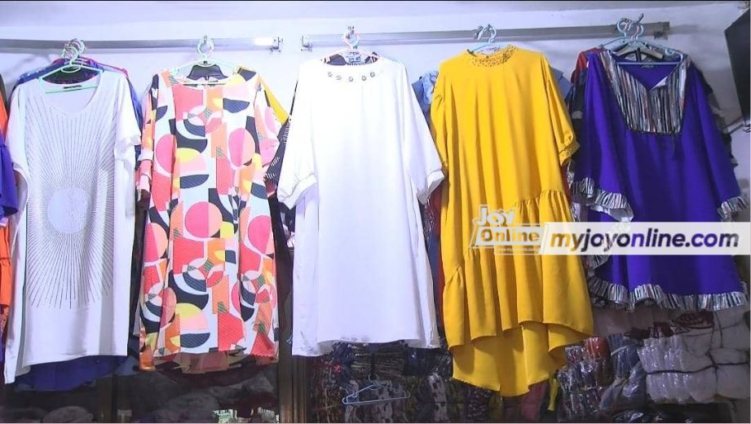
With barely two weeks to Christmas, one would expect that sales of clothes or fashion apparel will boom.
However, vendors of fashion apparel are lamenting the low sales.
Kantamanto is one of the biggest market centers in the country where one can afford both retail and wholesale clothes at a cheaper price. It is therefore not surprising that people travel far and near for shopping at 'Kanta'.
But something has changed in recent years. Traders in the business say Kantamanto is no more the “donkomi” market we know.
They lament the high prices of fashion apparel and low sales and blame it on various contributing factors.
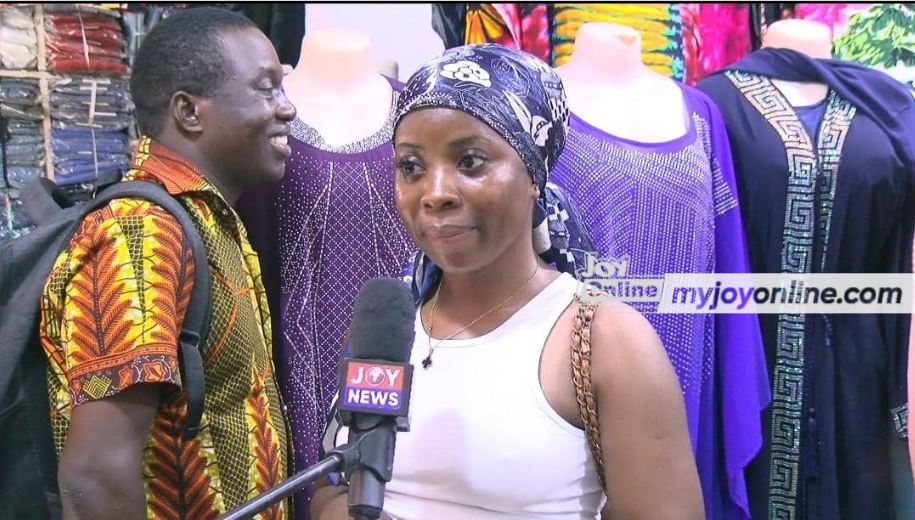
According to them, the cedi depreciation against the dollar and other major trading currencies have affected sales this festive season.
"Prices of things have changed. Things we used to pay less, we pay more now. The rise of the dollar and other trading currencies has affected the prices of goods," a trader told JoyNews.
Some of the traders say the preference for online shopping has in some way, affected their clothing businesses because they don’t do delivery and online advertisement.
"We’ve been working with online vendors. People who work in offices do not have the luxury of time to walk in and purchase clothes; unless the online vendors advertise and deliver the clothes to them. This has reduced the number of people who walk in to buy,"
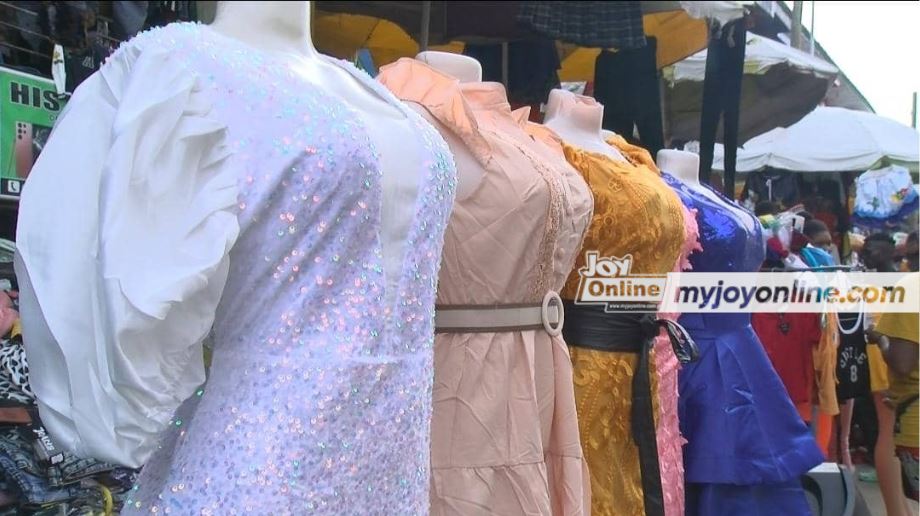
It is no news that the cost of fuel has affected everything in the country and the clothing business is not left out. The vendors assert that the high cost of fuel is having adverse effects on the prices and sale of clothes. They claim that people are not buying due to the high prices.
"Although the cost of fuel has been reduced, transportation remains the same," the trader added.
Meanwhile, some customers say they prefer to buy clothes at wholesale prices at Kantamanto and in turn, sell them online and deliver them to people who cannot travel to get these clothes.
"I won’t post this for 50 cedis, the price at which I bought it here; but rather 80 cedis because the cost of transportation is high."
But let’s not forget that e-commerce in the fashion industry comes with its snag. Haven’t heard of “What I ordered versus what I got?” This is a subject for another day.
Latest Stories
-
National Sports Fund needs strong leadership from the top – Administrator David Wuaku
2 minutes -
JoySports Exclusive: Steve McLaren in talks with GFA after expressing interest in Black Stars job
8 minutes -
Fire guts auto parts warehouse at Bubuashie, one fire officer injured
14 minutes -
I owe my victory to coach Ofori Asare – Allotey after winning WBA Africa Gold Super Flyweight belt
18 minutes -
Church of Pentecost supports over 2,000 BECE candidates in Obuasi with career guidance seminar
2 hours -
Brandon Asante and Coventry all but promoted to Premier League despite Sheffield Wednesday draw
2 hours -
GPL 2025/26: Late Kwartemaa strike downs Hearts in Tema
2 hours -
Ghana Faces Sierra Leone Moment as Prosecutorial Powers come under strain
3 hours -
Don’t consume fish or seafood from Tema Shipyard until further notice – FDA warns
3 hours -
Why volunteering might be Africa’s most underrated career accelerator
3 hours -
ActionAid Ghana raises concern over gender gaps in Feed Ghana Programme
3 hours -
Windstorm wreaks havoc in Gushegu, displacing nearly 2,000 residents and damaging schools
3 hours -
Friends of Bridget Bonnie Marks her 35th birthday with donation to Kasseh Model Health Centre
4 hours -
From Ekumfi Kokodo to the Pulpit Stage: Essi Donkor’s gospel journey takes shape
4 hours -
Landfilling waste management creates no value, it’s an economic waste
4 hours