

Audio By Carbonatix
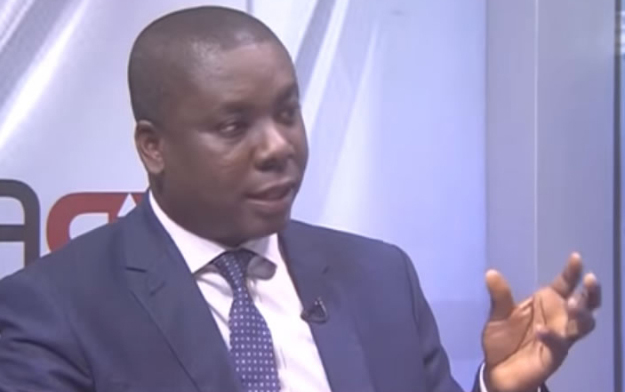
The spokesperson for Vice President Dr. Mahamudu Bawumia, Dr. Gideon Boako, has identified land acquisition challenges as the primary cause for delays in the completion of hostel facilities intended for head porters, commonly referred to as Kayayei.
Speaking on the matter, Dr. Boako underscored the importance of these hostels in providing a stable living environment for head porters, thereby facilitating their involvement in technical and vocational education and training (TVET) programs.
In an interview with Citi FM, Dr. Boako elaborated on the obstacles posed by land acquisition issues, which have significantly impeded the progress of many of these projects.
He emphasised the critical role that the completion of these hostels plays in addressing the housing needs of Kayayei and enabling their access to educational and training opportunities.
Dr. Boako highlighted the broader objectives of the TVET initiative, stating that it aims to establish a framework for managing migration inflows and devising employment strategies tailored to the needs of the Kayayei community.
By providing access to education and training within a supportive environment, he insisted that these initiatives seek to empower these individuals with the skills and resources necessary to improve their socioeconomic prospects.
The spokesperson reiterated the government's commitment to addressing the challenges faced by Kayayei individuals, particularly in securing stable housing and accessing educational opportunities.
He emphasised the importance of collaborative efforts between government agencies, local authorities, and relevant stakeholders to overcome barriers such as land acquisition issues and expedite the completion of hostel projects.
“We started from Agbogbloshie and land was given, and it became a whole tussle. There was another consideration with the Roman Catholic Church, partnering with Father Campbell, and we wanted to do that jointly with the Soup kitchen.
“There were some commitments from some of the landowners in Accra at a point, and it became a problem. I remember we had to go to the Ashanti region. We were looking for land, and we got some land at Bantama but people living around complained, and the main delaying factor was the land issue. Other than that, the government was prepared, and funding was available for this to be done," he said.
Latest Stories
-
Middle East crisis shows Ghana needs to diversify energy sources – Energy expert
21 minutes -
Government of Ghana Internal Revenue Generation cannot fund Big Push in Four Years
29 minutes -
EPCG Moderator urges leaders to serve with courage and humility in Easter message
1 hour -
The Cobra at the gate: When good intentions overrun the system
1 hour -
Easter service disrupted in Nyanyano as suspected land guards storm church event
1 hour -
Price surge exposing NDC gov’ts dishonesty -Titus Glover
1 hour -
Afigya Kwabre North MP urges Finance and Energy Ministers to submit energy sector report
1 hour -
Deliver quality or face sanctions — GETFund administrator cautions contractors
2 hours -
Kwahu Easter festivities trigger condom shortages; Health teams boost awareness
2 hours -
Victims of a legend: The women Daddy Lumba left behind
2 hours -
Mahama vows to prioritise roads, social amenities in Savannah region
3 hours -
Mahama sets up 18-member panel to advance Africa-led global health reforms
3 hours -
Ghana Medical Trust Fund Administrator urges hope and compassion in Easter message
3 hours -
Traders, Freight forwarders push back against planned cargo tracking policy
3 hours -
BoG Governor highlights tough trade-offs in monetary policy decisions
3 hours