

Audio By Carbonatix
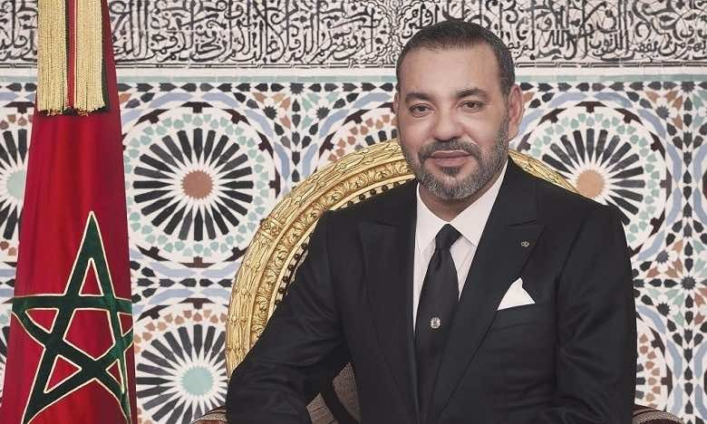
King Mohammed VI of Morocco presided over a Council of Ministers at the Royal Palace in Rabat on Friday, focusing on key national and international matters.
The meeting included the review of the general orientations of the draft Finance Bill for 2025, the approval of military-related decrees, and several international agreements, according to a statement by the Royal Palace’s spokesperson.
During the session, King Mohammed VI also announced significant appointments to senior positions, including the designation of 13 new ambassadors.
According to the press release, “On the proposal of the Head of Government, and at the initiative of the Minister of Foreign Affairs, African Cooperation, and Moroccans living abroad, the King appointed several ambassadors to countries with close diplomatic ties to Morocco, including African nations.”
The newly appointed ambassadors will serve in Côte d’Ivoire, Cameroon, the Central African Republic, the Republic of Congo, and Niger, aligning with Morocco’s strategy to strengthen its diplomatic presence and influence across Africa—a key component of the country’s foreign policy under King Mohammed VI’s leadership.
Additional appointments were made for Europe, including the European Union, Denmark, Serbia, and Bulgaria, a continent critical to Morocco’s economic and political relations.
New ambassadors were also appointed in Asia (Malaysia, Indonesia, Bangladesh) and the Caribbean (Saint Lucia), reflecting Morocco’s intent to diversify its diplomatic partnerships globally.
This wave of appointments reflects a proactive Royal strategy in addressing Morocco’s contemporary diplomatic challenges, particularly in defending its strategic interests.
The diplomatic initiative follows King Mohammed VI’s October 11 speech before Parliament, where he called for a fresh strategic approach to diplomatic action, urging the mobilization of all Moroccan diplomatic instruments—both institutional and parliamentary.
The newly appointed ambassadors include 11 first-time diplomats, highlighting a Royal commitment to infuse “new blood” into Morocco’s diplomatic ranks.
Moreover, two-thirds of the appointments are internal promotions, emphasising meritocracy, with several directors, consuls general, and senior diplomats assuming new roles.
The appointments also further the feminisation of Morocco’s diplomatic corps, with nearly a quarter of the positions now held by women.
This brings the total number of female ambassadors under King Mohammed VI to 21, with women occupying 40% of Morocco’s ambassadorial positions in Europe and an increasing presence in Africa.
The appointments signal King Mohammed VI’s commitment to modernising Morocco’s diplomatic apparatus, infusing it with fresh perspectives and energy to enhance the Kingdom’s global representation.
Latest Stories
-
At least 30 feared dead in crush at Haitian tourist site
56 minutes -
Four arrested over murder of Scottish businessman in Kenya
1 hour -
New Mainoo deal closer, says Man Utd boss Carrick
1 hour -
Sinner beats Alcaraz to return to world top spot
1 hour -
An inappropriate joke nearly ended his career. Now he’s back with more humour
2 hours -
GPL 2025/26: Dreams FC stage stunning comeback to hammer Eleven Wonders
3 hours -
Livestream: The Probe examines Kumasi’s looming water crisis
3 hours -
MTN Ghana gears up to lead Africa’s AI revolution
3 hours -
Philanthropist Alhaji FuZak donates Da’wah bus to Ambariya Sunni community
3 hours -
GUTA calls for suspension of Publican AI system over trade disruptions
3 hours -
TTAG raises alarm over proposed recruitment of 7,000 teachers, demands national posting roadmap
4 hours -
Civilians feared killed after reports of air strike on Nigerian market
4 hours -
Bishop Simon Kofi Appiah installed as new Jasikan Diocese Bishop
4 hours -
Trump’s Strait of Hormuz blockade threat raises risks and leaves predicaments unchanged
4 hours -
US Court backs extradition of former MASLOC CEO Sedina Tamakloe-Attionu to Ghana
4 hours