


Audio By Carbonatix
Researchers at the Kwame Nkrumah University of Science and Technology (KNUST), Kumasi, have taken their work beyond the lab to support local fish farmers.
A team from the Department of Fisheries and Watershed Management, led by Prof Daniel Adjei-Boateng, has been investigating the nutritional requirement of the larvae, fry and fingerlings of the African bonytongue fish (Heterotis niloticus) popularly called “Supaku”
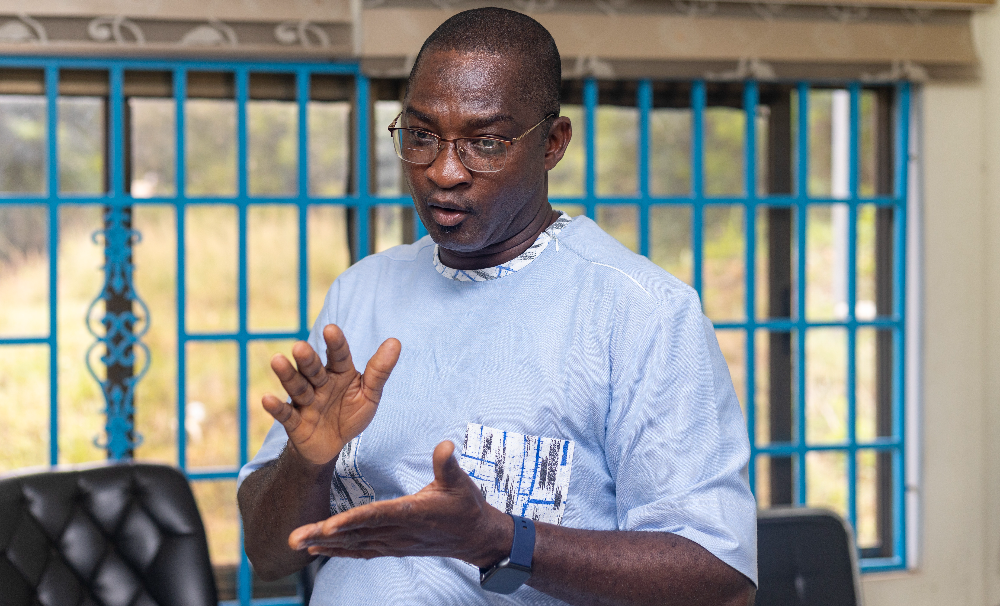
The team recently completed a project titled “Improving the Productivity of Ghanaian Aquaculture Project” (GHA-18-16), which focused on reducing the high larval mortality rates by identifying suitable live feed organisms to boost larval survival. The team also developed a weaning protocol to successfully raise the larvae to fingerling stage for culture to marketable size.
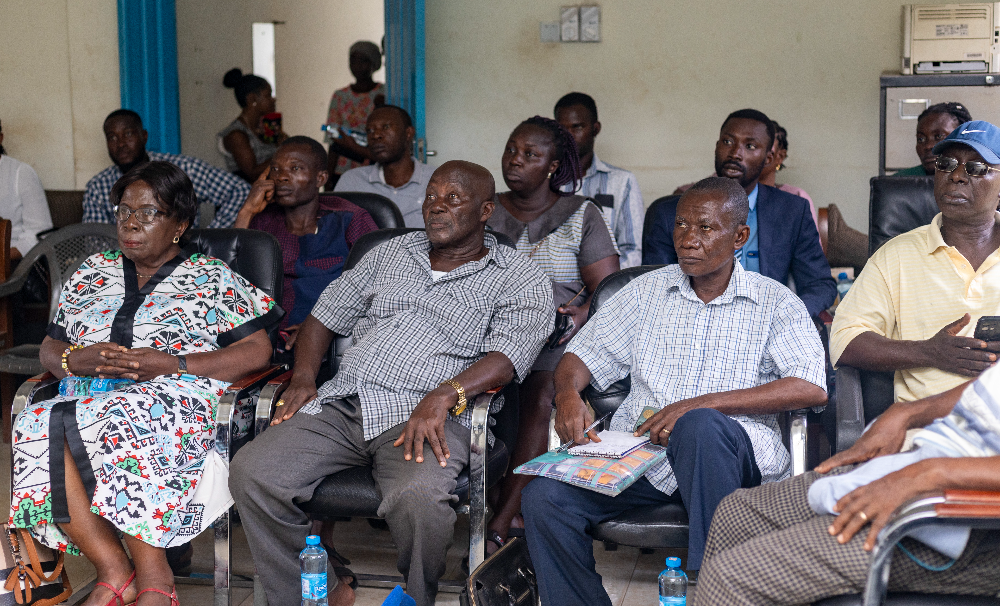
To bridge the gap between research and real-world application, the team hosted its first Science Engagement forum for fish farmers in the Ashanti Region at the Fisheries Commission Office in Kumasi.
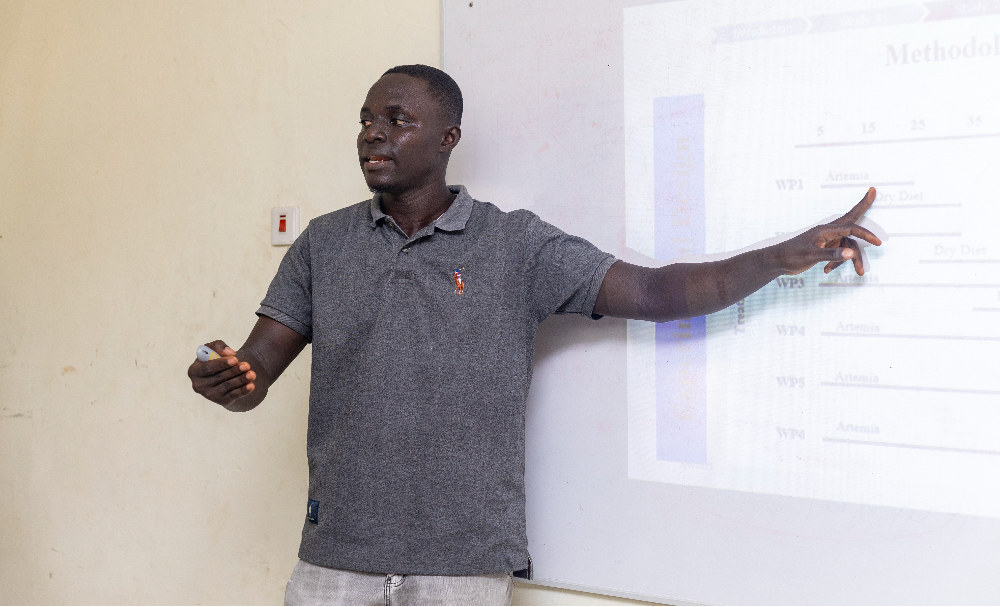
The forum, themed “Developing the Commercial Culture of the African Bonytongue Fish,” was led by Dr Prince Ofori-Darkwah, a team member.
At the forum, farmers were introduced to best practices in the transport and handling of both larval and adult fish. They were also trained on developing live feed for the African bonytongue and taught weaning protocols to transition fry onto dry diets, an essential step for improving survival in culture systems.
Beyond farming techniques, the research team is collaborating with KNUST’s Department of Food Science and Technology in developing value-added products such as fish sausages and fish nuggets from Supaku. These innovations are intended to diversify product forms and boost the market appeal of the African bonytongue.
The Head of Department, Prof Regina Esi Edziyie, explained, “This was just about sharing information, but you can already see there’s a lot of interest, and people are asking very specific questions. Saying it and doing it are two different things, so the next engagement will focus more on skill development. They'll come to our farm, put what we’re teaching into practice, and we’ll assist them in developing materials they can take back and refer to later.”
Participants shared their experiences, expressed appreciation for the support, and welcomed the researchers’ willingness to engage and educate.
Latest Stories
-
At least 20 killed after military plane carrying banknotes crashes in Bolivia
2 minutes -
UK reaffirms investment commitment at study UK Alumni Awards Ghana 2026
11 minutes -
NCCE pays courtesy call on 66 Artillery Regiment, deepens stakeholder engagement
11 minutes -
GHATOF leadership pays courtesy call on Chief of Staff, Julius Debrah
36 minutes -
KiDi unleashes first single of the year ‘Babylon’
52 minutes -
Ghana Boxing Federation unveils new logo at Accra Sports Stadium
57 minutes -
Pink Ladies Cup: Agejipena scores debut goal as Black Queens thump Hong Kong
1 hour -
Ghana pays tribute to 1948 heroes at 78th anniversary observance
1 hour -
Allowance payout will strengthen Ghana’s decentralization framework – Tano North Assembly Members
1 hour -
Two arrested in connection with Effiakuma viral video
2 hours -
Keta MP lays mother to rest
3 hours -
We must put an end to cocoa politics – Victoria Bright
3 hours -
There is a cabal in electricity sector determined to rip off Ghanaians – Prof Agyemang-Duah
3 hours -
NSA pays January 2026 allowance to National Service Personnel
3 hours -
24-Hour Economy not just talk — Edudzi Tamakloe confirms sector-level implementation
4 hours