

Audio By Carbonatix
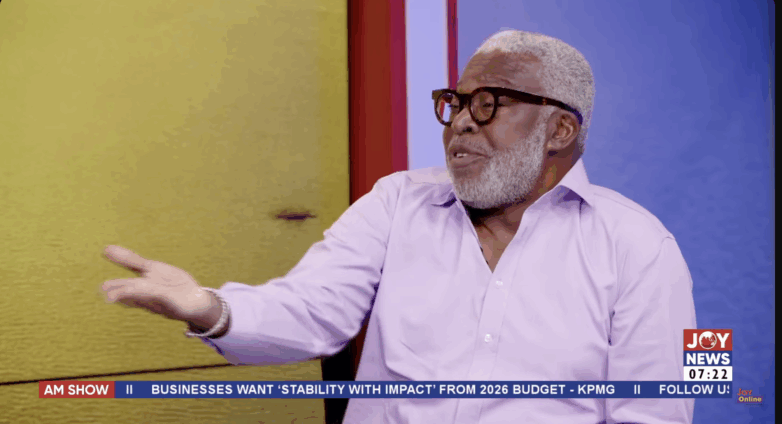
Chief Executive Officer of the Consumer Protection Agency (CPA), Kofi Kapito, has described Ghanaian workers as “magicians” for their ability to survive despite what he says are worsening living conditions, even after the government announced a 9% increase in the national daily minimum wage for 2026.
Speaking in reaction to the new wage adjustment on the AM show, Kofi Kapito said while the increment is a step forward, it is unlikely to make any real difference in the lives of workers who continue to struggle with high rent, food prices, and utility costs.
“You hear the workers complaining because everything wouldn’t have been reduced,” he said.
“The same thing with rent — now landlords are taking more than even one year in advance. People used to be merciful and say, ‘Don’t worry, give me one year.’ Now they want two years.”
Drawing a historical parallel, Mr. Kapito recalled a story from the era of former President Hilla Limann, when a parliamentarian named Kweku Baah presented a vivid demonstration of the cost of living in Ghana.
“He went to Parliament with breakfast, lunch, and dinner and showed that the cost of each was one cedi. At that time, the Ghanaian worker earned three cedis a day. So his point was — if one person’s meals alone cost three cedis, what about his wife, children, and other expenses?”
The consumer advocate said the same logic applies today, arguing that despite periodic salary adjustments, the average Ghanaian worker is still stretched thin due to inflation and rising living costs.
“That’s why I say Ghanaians are magicians,” he added. “Because somehow, people still find a way to survive.”
The National Tripartite Committee has agreed to a 9 per cent upward adjustment in the national daily minimum wage, moving it from GH₵19.97 to GH₵21.77.
The agreement, signed on November 9, 2025, between the government, represented by the Fair Wages and Salaries Commission (FWSC) and the Ministry of Finance (MoF), and Organised Labour, follows successful negotiations aimed at ensuring stability and fairness in the public sector.
The new rate takes effect from January 1 to December 31, 2026.
The increment, according to the committee, is meant to cushion workers against inflation and cost-of-living pressures.
However, labour unions have expressed mixed reactions — some welcoming the increase as progress, while others insist that the adjustment does little to reflect current market realities.
Economists have also warned that unless inflation and rent control policies are effectively managed, the real value of wage increases will continue to erode, leaving many workers struggling to make ends meet.
Latest Stories
-
Brandon Asante and Coventry all but promoted to Premier League despite Sheffield Wednesday draw
13 minutes -
GPL 2025/26: Late Kwartemaa strike downs Hearts in Tema
19 minutes -
Ghana Faces Sierra Leone Moment as Prosecutorial Powers come under strain
29 minutes -
Don’t consume fish or seafood from Tema Shipyard until further notice – FDA warns
34 minutes -
Why volunteering might be Africa’s most underrated career accelerator
40 minutes -
ActionAid Ghana raises concern over gender gaps in Feed Ghana Programme
42 minutes -
Windstorm wreaks havoc in Gushegu, displacing nearly 2,000 residents and damaging schools
45 minutes -
Friends of Bridget Bonnie Marks her 35th birthday with donation to Kasseh Model Health Centre
2 hours -
From Ekumfi Kokodo to the Pulpit Stage: Essi Donkor’s gospel journey takes shape
2 hours -
Landfilling waste management creates no value, it’s an economic waste
2 hours -
Photos: Speaker Bagbin Commissions MPs constituency office under parliamentary decentralisation programme
2 hours -
Black Stars technical advisor Winfried Schäfer sacked as GFA shakes up backroom staff
2 hours -
Wenchi water project almost complete, critical to gov’t agenda – GWL MD
3 hours -
Anti-LGBTQ+ bill not part of government’s legislative agenda – Inusah Fuseini
3 hours -
Anti-LGBTQ Bill: Forget the rumour mongers, I’m a man of action, and will pass the bill – Speaker
3 hours