

Audio By Carbonatix
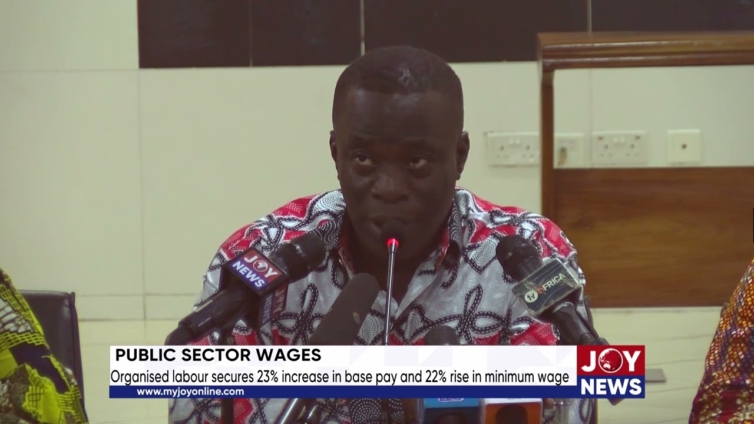
The issue of public sector wages in Ghana has become one of the most unintelligent conversations in our national discourse. Public sector wages consume a colossal 45% of our total national revenue, but what do we get in return for this lion’s share? We end up with a tiny $77 billion economy reminiscent of the 15th century, with a pitiful 14% tax component.
Our public sector delivers very little for the huge chunk of revenue they consume, and no one demands any return on this investment. We never have meaningful discussions about public sector productivity and resourcefulness. Are we content paying workers at the Grains and Legumes Development Board, Parks and Gardens, or Irrigation Development Authority for doing virtually nothing?
Who are we deceiving?
Someone should tell the Employment Ministry that their responsibilities extend beyond annual salary negotiations. Productivity must take centre stage in their daily affairs.
Why does Organised Labour in Ghana demonstrate and strike against many issues but never against the lack of productivity, which is the main factor impeding higher wages among other factors? This question is vital for our national development and economic growth. If we are serious about transforming our economy and improving our living standards, we need to address the elephant in the room: public sector productivity.
The current state of affairs is unsustainable. We cannot continue to allocate almost half of our national revenue to a sector that does not deliver commensurate value. It is time for a paradigm shift. We need to move away from the entrenched culture of entitlement and towards a culture of accountability and performance. Public sector employees must be held to the same standards of productivity and efficiency as their counterparts in the private sector.
The Employment Ministry must take the lead in this transformation. It must go beyond merely negotiating salaries and ensure that public sector workers contribute meaningfully to national development. This involves setting clear performance targets, monitoring outcomes, and implementing consequences for underperformance. It also requires a change in mindset from both employees and employers, recognising that public service is not a right but a responsibility.
Moreover, Organised Labour must play a constructive role in this transformation. Instead of focusing solely on wage increases, labour unions should advocate for measures that enhance productivity. This includes training and development programmes, better working conditions, and the adoption of modern management practices. By doing so, they will not only improve the welfare of their members but also contribute to national prosperity.
In conclusion, the conversation about public sector wages in Ghana needs to evolve. It is not enough to talk about how much we pay; we must also demand value for money. The focus must shift from entitlement to productivity, from consumption to contribution. Only then can we build a robust and dynamic economy that meets the aspirations of all Ghanaians. The time for change is now. Let us stop deceiving ourselves and start demanding more from our public sector.
Latest Stories
-
At least 30 feared dead in crush at Haitian tourist site
2 hours -
Four arrested over murder of Scottish businessman in Kenya
2 hours -
New Mainoo deal closer, says Man Utd boss Carrick
2 hours -
Sinner beats Alcaraz to return to world top spot
3 hours -
An inappropriate joke nearly ended his career. Now he’s back with more humour
3 hours -
GPL 2025/26: Dreams FC stage stunning comeback to hammer Eleven Wonders
4 hours -
Livestream: The Probe examines Kumasi’s looming water crisis
4 hours -
MTN Ghana gears up to lead Africa’s AI revolution
4 hours -
Philanthropist Alhaji FuZak donates Da’wah bus to Ambariya Sunni community
4 hours -
GUTA calls for suspension of Publican AI system over trade disruptions
4 hours -
TTAG raises alarm over proposed recruitment of 7,000 teachers, demands national posting roadmap
5 hours -
Civilians feared killed after reports of air strike on Nigerian market
5 hours -
Bishop Simon Kofi Appiah installed as new Jasikan Diocese Bishop
5 hours -
Trump’s Strait of Hormuz blockade threat raises risks and leaves predicaments unchanged
5 hours -
US Court backs extradition of former MASLOC CEO Sedina Tamakloe-Attionu to Ghana
5 hours