

Audio By Carbonatix
A former Chairman of the Appointments Committee, Joseph Osei Owusu, has criticised the lack of sufficient time afforded to the public to submit memoranda during the ministerial vetting process.
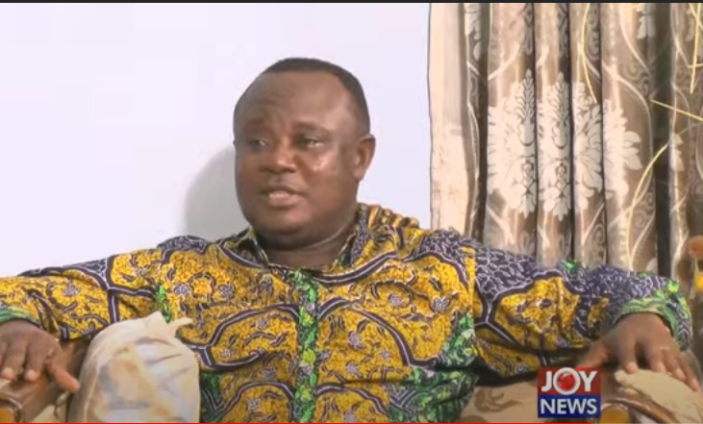
The immediate First Deputy Speaker of Parliament speaking on Joy News’ Upfront on Thursday, expressed concerns over what he described as “indecent haste” in the process, which he believes undermined both public participation and the thoroughness of the committee’s work.
Addressing the issue, he noted that allowing the public time to submit concerns is a critical component of vetting procedures.
“The reason we call it a public hearing is that we want to afford the opportunity for the public to participate in it,” he said. “It’s not just a formality; it’s about giving the public a voice to bring their issues to the committee.”
The former Bekwai legislator revealed that he was unsure whether adequate advertising was done to notify the public. “I am not even sure whether they advertised and allowed sufficient time,” he said.
“I spoke with the Majority Leader and the Minority Leader about the arrangements they made, but I did not see any advert.”
He suggested that a minimum of one to two weeks should have been given for the public to submit memoranda.
“Frankly, when you are starting a term like this, I would have thought that, at minimum, there should have been a one-week or two-week advert,” he emphasised.
The former Appointments Committee Chairman further criticised the timing of the vetting process.
“In this particular instance, the time between the election, the swearing-in, and the start of vetting—just four or five days after—was novel,” he said.
“It has never happened before. I thought the haste with which they proceeded may have affected the preparation of the members of the committee.”
Joseph Osei Owusu described the situation as a missed opportunity for thorough public engagement.
“If there’s a way to receive nominations and allow for public input, it should be done properly,” he stated.
“The committees themselves had not been fully constituted. I thought it was a needless and indecent haste to push through the process.”
The deputy speaker’s comments add to growing concerns about transparency and inclusivity in parliamentary proceedings.
He reiterated his belief that the abridged timeline not only limited public participation but also impacted the committee’s ability to probe effectively.
“A public hearing should reflect its name—it’s an invitation for everyone to contribute, and the time should have been given for that.”
Latest Stories
-
A source of excellence across generations – Vice President Opoku-Agyemang lauds Mfantsipim
1 hour -
(Photos) Mfantsipim School launches historic 150th anniversary
2 hours -
Knights and Ladies of Marshall group backs Catholic Bishops’ stance on anti-LGBTQ+
3 hours -
Bright Simons writes: All the Filla in the Ibrahim Mahama/E&P – Gold Fields Saga
3 hours -
Monetise Idiocy In Ghana
3 hours -
ECG kicks off Phase Two of transformer upgrades at Lashibi; brief outages expected
4 hours -
The Ghanaian prophet and the mysterious death of his scottish wife Charmain Speirs
4 hours -
Nearly 400 sentenced in Nigeria for links to militant Islamists
4 hours -
Ghana’s recovery supported by gold strength despite global oil price pressures – Standard Bank Research
4 hours -
Methodist Church hails Mfantsipim@150; calls for “fresh consecration” to excellence
5 hours -
‘Excellence is our inheritance’ – Nana Sam Brew-Butler hails Mfantsipim’s 150-year reign in leadership
5 hours -
Kwaku Azar writes: A-G vs OSP
5 hours -
Mfantsipim–Adisadel rivalry built excellence, not division – Sam Jonah
5 hours -
Vice President launches Mfantsipim’s 150 years of shaping Ghana’s greatest mind
6 hours -
I assure Otumfuo, Mahama will join him to commission KNUST Teaching Hospital by end of this year – Haruna Iddrisu
6 hours