

Audio By Carbonatix
The Ministry of Lands and Natural Resources has begun a nationwide stakeholder engagement on a proposed Legislative Instrument (L.I.) to operationalise Community Resource Management Areas (CREMAs).
The proposed regulations anchored in the country’s existing the Wildlife Resources Management Act, 2023 (Act 1115), provides the statutory framework for the protection, conservation and sustainable utilisation of wildlife resources.
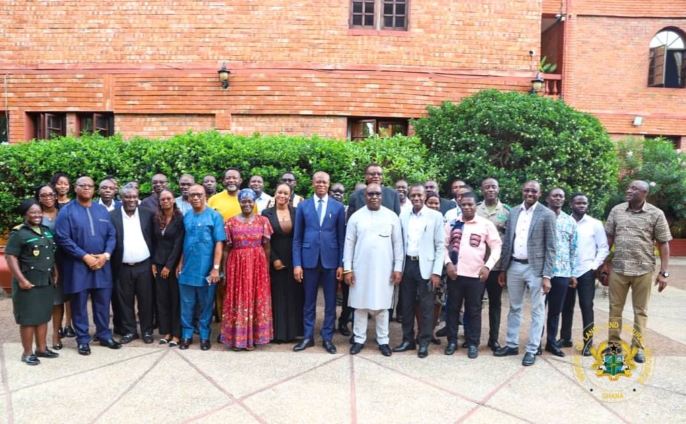
The engagement, led by the Ministry of Lands and Natural Resources in collaboration with the Forestry Commission, seeks to build consensus on a legal framework for the establishment, governance and management of CREMAs across the country.
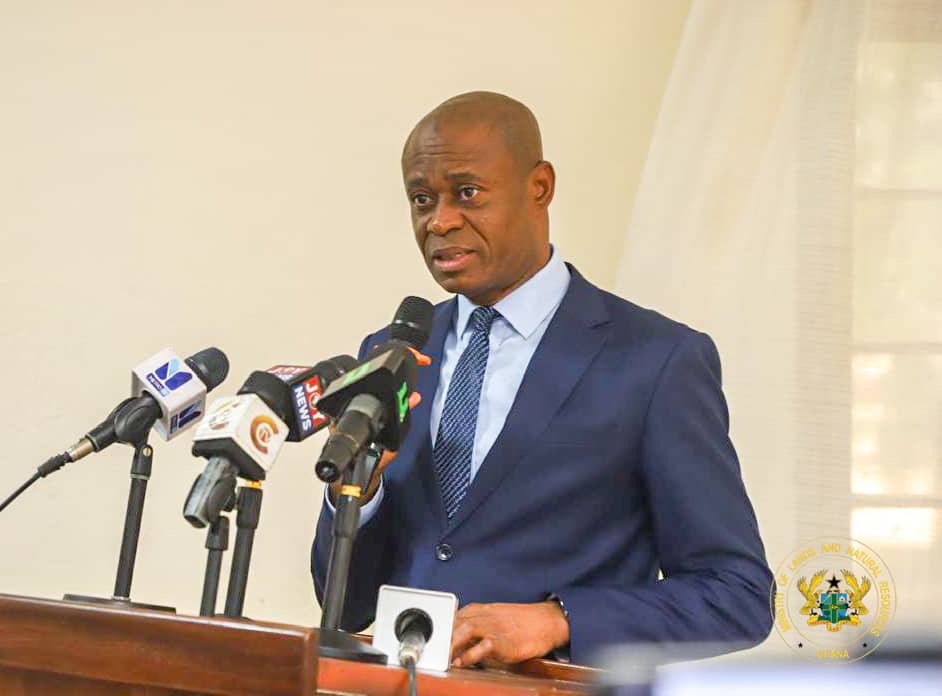
Delivering remarks on behalf of the sector Minister, Honourable Emmanuel Armah-Kofi Buah, the Deputy Minister, Yusif Sulemana, said the draft L.I. is intended to provide legal clarity, structured governance systems and stronger accountability for CREMAs.
“The draft Regulations seek to provide clear procedures for the establishment, governance and recognition of CREMAs, while ensuring transparency and accountability in the management of natural resources,” the Minister said.
Mr. Buah explained that the proposed instrument outlines criteria for the creation of CREMAs, including ecological significance, defined land tenure arrangements and the consent of District Assemblies and traditional authorities.
The Minister bemoaned that beyond illegal mining, illegal hunting continues to erode biodiversity and weaken conservation gains.
“Unregulated hunting is depleting wildlife populations and undermining ecological balance. Protecting our wildlife is not optional; it is a national responsibility,” he stressed.
The Executive Director of the Wildlife Division of the Forestry Commission, Dr. Joseph Boakye ESQ, underscored the challenges confronting community-based conservation, including habitat loss, weak enforcement and competing land uses.
“The challenges before us are complex and evolving. We need your expertise and collective vision to refine this framework and ensure it delivers both conservation and livelihood benefits,” he appealed.
He urged participants to actively contribute to shaping a robust and inclusive regulatory regime that balances conservation with local development.
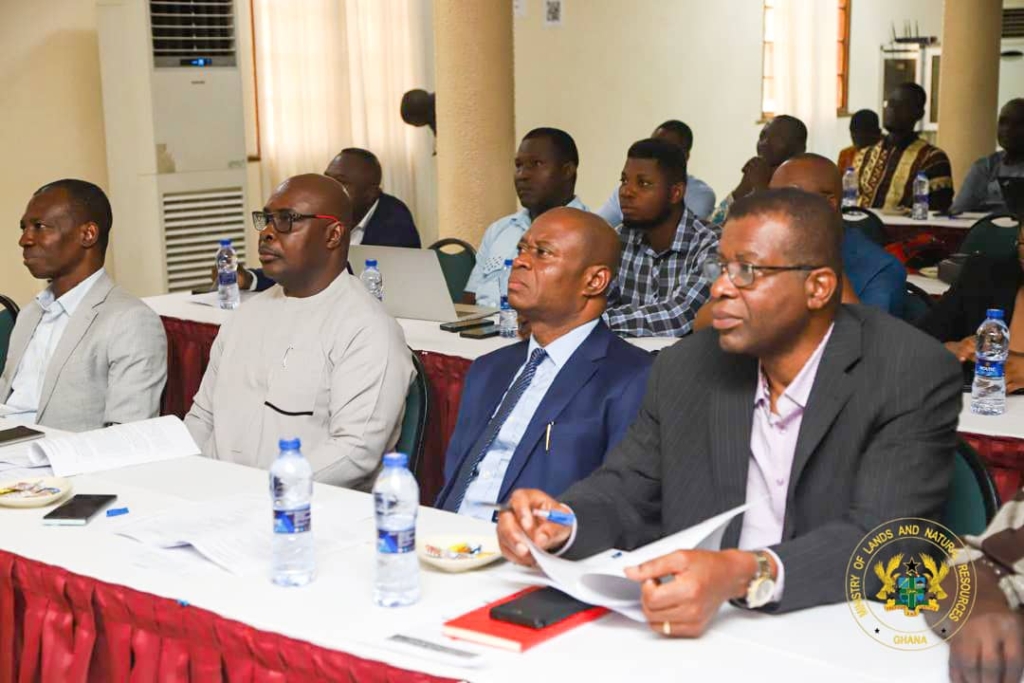
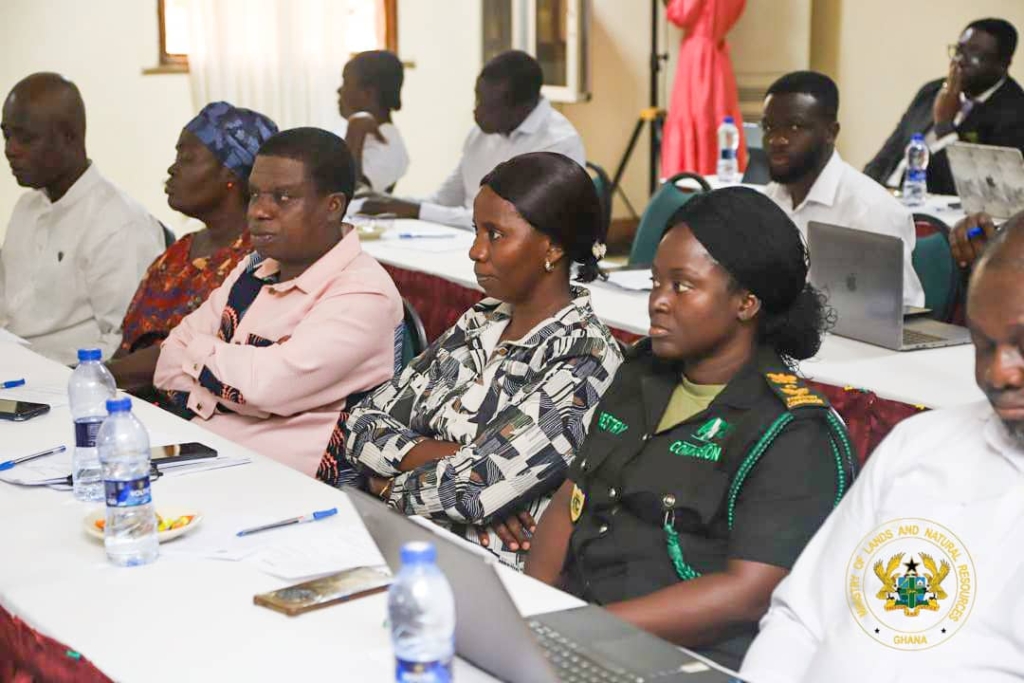
Participants included representatives from Local Government Authorities, Traditional Authorities, community leaders, as well as non-governmental and civil society organisations working in natural resource management and other relevant government institutions.
Latest Stories
-
NPP revises internal election guidelines to strengthen transparency and inclusiveness
31 minutes -
NACOC set to issue licences to qualified applicants for cannabis cultivation – Deputy Director-General
39 minutes -
Easter Outreach: Victory Bible Church offers free healthcare, NHIS support to hundreds
43 minutes -
NPP cannot pressure Mahama to sign a bill not yet received—Solomon Owusu
52 minutes -
MPs, institutions deepen support for Ghana Sports Fund with fresh contributions
59 minutes -
Four people die trying to board boat in Channel crossing attempt
1 hour -
Abirem MP announces GH₵500,000 education fund to support needy students
1 hour -
African stakeholders call for stronger ‘One Health’ action on climate and health crises
1 hour -
DVLA to commission 5 new service centres in Greater Accra
1 hour -
Agenda 111 and the right to health: A broken social contract
1 hour -
Bawa-Rock Ltd funds GH¢400,000 free surgeries for 102 vulnerable patients
1 hour -
Lambussie MP awards over GH¢200,000 in scholarships to students
1 hour -
Vice President expresses gratitude after double enstoolment in Volta Region
1 hour -
Beyond the Noise: Rebuilding trust in journalism in a digital age
1 hour -
I have to follow the law – CAF president tells Senegal regarding AFCON saga
2 hours