


Audio By Carbonatix
The Kahera Country Club founder on how green design, carbon credits, and tech are reshaping hospitality.
Interviewer: Kechi, you’ve been described as one of the new voices leading Africa’s luxury tourism and sustainability movement. What does sustainability mean to you in practical terms?
Kechi Ibe:
Sustainability, for me, is about designing systems that give back more than they take. It’s not just about planting trees or going paperless — it’s about rethinking how we build, consume, and operate.
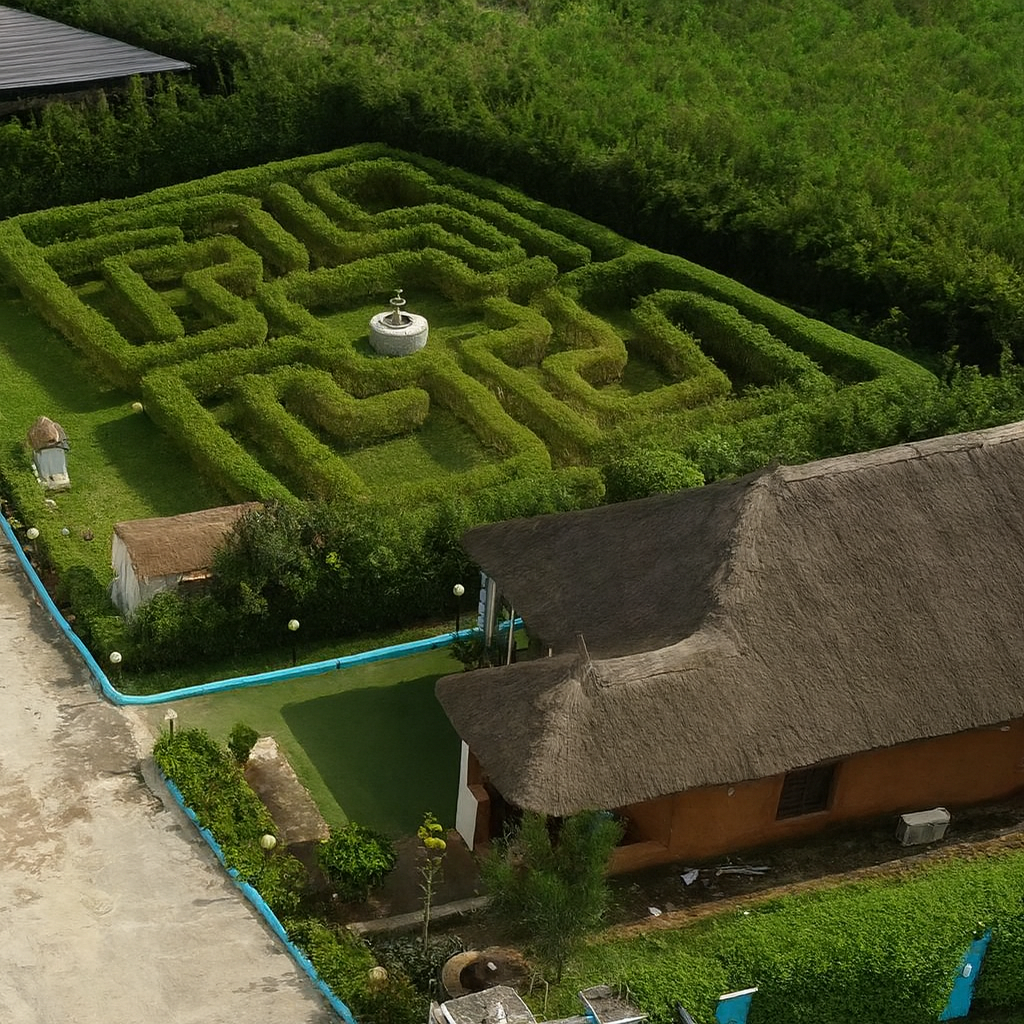
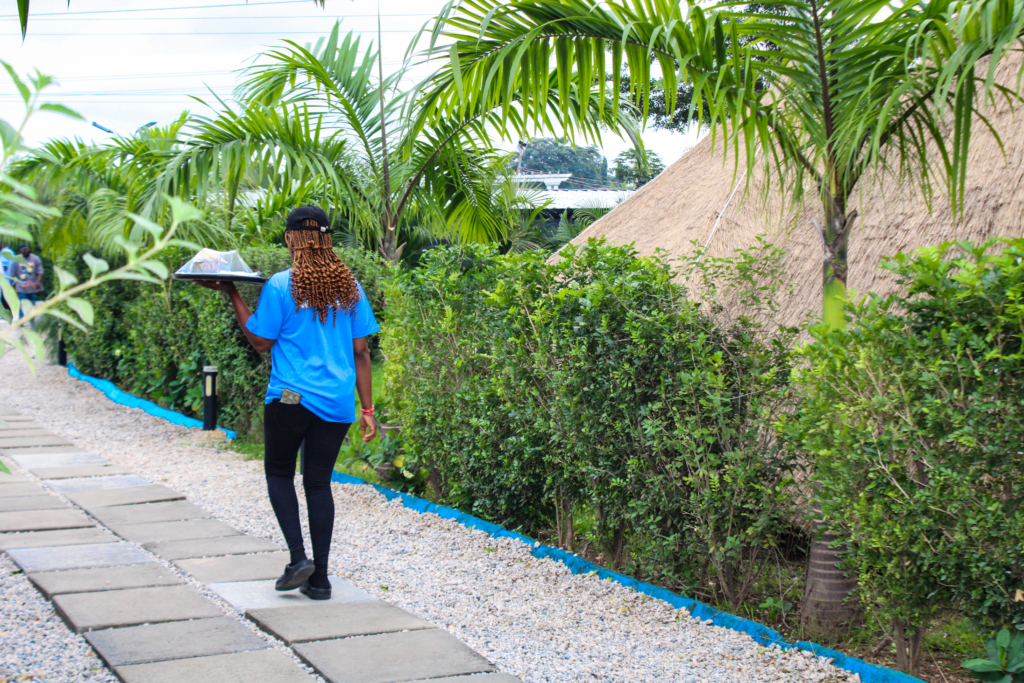
At Kahera Country Club in Abuja, for instance, we’ve built sustainability into the core of our operations. We’ve planted over 750 trees, 6,000 shrubs, and 30,000 groundcovers — all native and drought-resistant species. That’s not landscaping; that’s an ecosystem.
These plants help cool the environment, absorb carbon, and support biodiversity while still delivering a luxury experience.
Interviewer: That’s impressive. Many people still think luxury and sustainability don’t mix. How do you balance both?
Kechi Ibe:
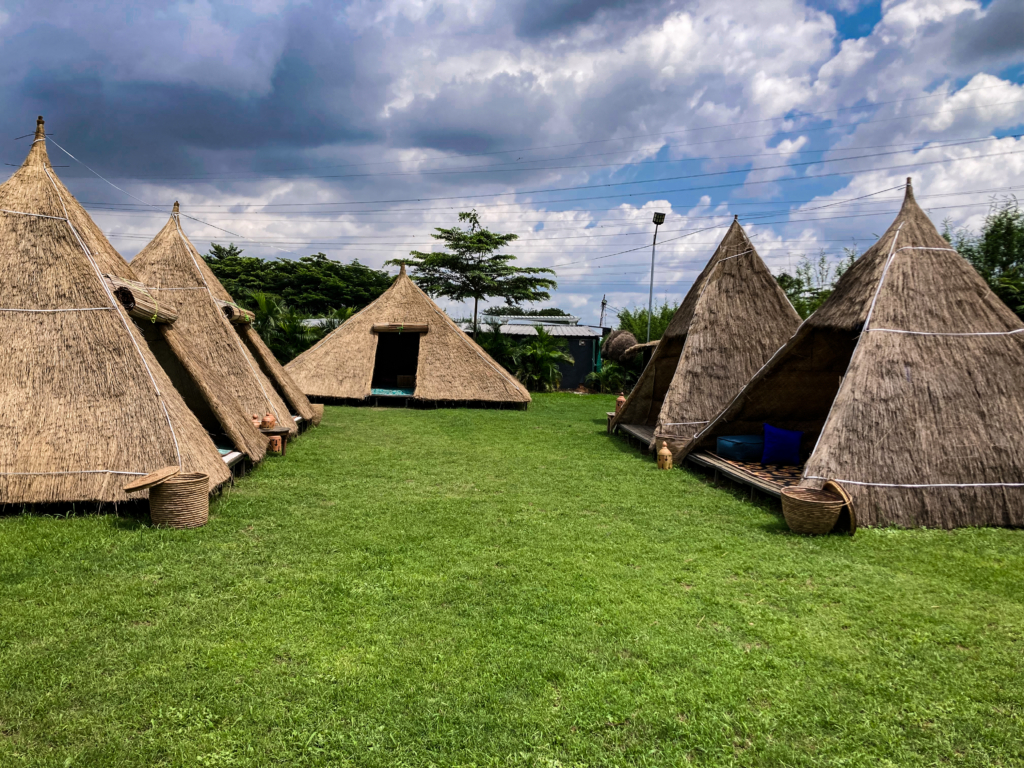
Luxury isn’t about excess — it’s about intention and quality. True luxury today is clean air, open green spaces, and an environment that makes you feel good about being there. At Kahera, we use solar energy, water-efficient systems, and low-carbon materials.

Everything from our design to our daily operations is aligned with reducing waste and energy use. Guests enjoy the comfort, but behind that experience is a data-driven sustainability model.
Interviewer: You’ve mentioned data and technology a few times. How does technology fit into this picture?
Kechi Ibe:
Technology is the backbone of modern sustainability. You can’t manage what you don’t measure. Across Africa, we’re beginning to use RFID technology to track materials and waste, AI and satellite imaging to monitor green spaces, and blockchain to verify carbon credits. These tools ensure transparency and accountability — they turn sustainability from an abstract idea into measurable results.
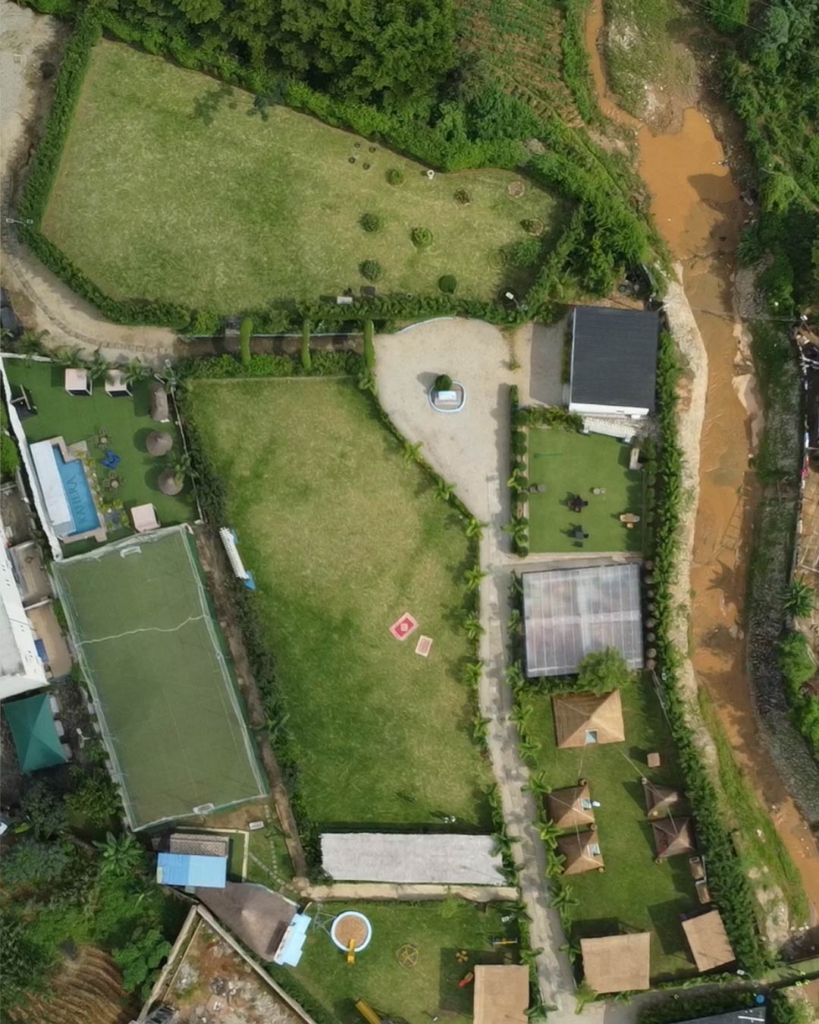
At Kahera, we’re laying the groundwork for what we call our “Green Ledger.” It will track the number of trees planted, energy saved, water recycled, and waste diverted every year. Eventually, this data can evolve into verifiable carbon credits — a new revenue stream that funds further environmental work.
Interviewer: You also run 7:17 Analytics, which focuses on sustainability and data. How does that tie into the work you’re doing with Kahera and the broader carbon credit conversation?
Kechi Ibe:
That’s a great question. 7:17 Analytics was born from the need to bring structure, data, and transparency to Africa’s sustainability efforts. One of the biggest challenges with carbon credits on the continent is verification. There are incredible projects: tree planting, clean cooking, composite LPG cylinders, but without reliable data, they struggle to qualify for international carbon markets.
So at 7:17, we’re building a digital ecosystem that connects sustainability projects directly to measurable impact. Our upcoming app and web platform use RFID tagging, IoT sensors, and satellite data integration to track everything from cylinder usage in clean-energy programs to reforestation growth and emission reductions. Every action — a tree planted, a cylinder swapped, a biodigester installed is recorded, timestamped, and verified.
What that means is that an African company or community project can now prove its carbon savings in real time. Once verified, these data sets can be converted into carbon credits, traded or monetized with confidence. It’s about taking what’s often a very technical, fragmented process and making it accessible, automated, and transparent.
Our vision is for 7:17 Analytics to become the data backbone for Africa’s green economy — bridging environmental impact, technology, and finance. Kahera Country Club is our first living case study of that vision: every sustainable practice there feeds back into measurable data that could one day generate verified credits.
Interviewer: Speaking of carbon credits, there’s a lot of buzz around Africa becoming a player in the carbon market. What’s your take on that?
Kechi Ibe:
Africa has a massive opportunity here. We hold about 30% of the world’s carbon-sequestering ecosystems, yet we receive less than 3% of global carbon credit revenue. That’s an imbalance we can fix.
If we build credible, tech-enabled, community-driven projects — not just forests on paper — Africa can become a key supplier of high-integrity carbon credits. These can fund conservation, renewable energy, and sustainable infrastructure while creating jobs and livelihoods.
But credibility is everything. Projects must be transparent, verifiable, and beneficial to local communities. That’s where technology comes in; ensuring accurate data, preventing double-counting, and proving real impact.
Interviewer: How do you see this vision scaling beyond Kahera Country Club?
Kechi Ibe:
Our model is proof that sustainability and profitability can coexist. If hospitality estates, housing developments, and even small farms adopt similar frameworks — measuring, reporting, and improving environmental performance — we can transform the continent’s carbon footprint.
Kahera Country Club is our prototype. It’s where we demonstrate that eco-friendly design, luxury, and data-driven accountability can thrive together. My dream is for sustainability to become Africa’s default setting, not an optional extra.
Interviewer: Finally, what message would you give African entrepreneurs and policymakers about sustainability?
Kechi Ibe:
Don’t wait for the world to validate you. Africa doesn’t need to copy Western models of sustainability — we can define our own. With our natural capital, our youth, and our creativity, we can lead the next green renaissance.
Sustainability isn’t a trend; it’s the new currency of credibility. The question isn’t whether Africa can compete, it’s whether we choose to claim our place in the global green economy.
Latest Stories
-
CUTS International calls for urgent competition law amid sachet water price hikes
15 minutes -
‘I never did this advert’, AI clones hijack Ghanaian identities for profit
33 minutes -
25-year-old woman battles trauma after surviving deadly Nkwanta attack
50 minutes -
Vice President honoured at Tortsogbeza as South Tongu leaders highlight development needs
58 minutes -
Kwahu Business Forum 2026: Corporate citizenship, sustaining African businesses take centre stage with KGL as the case study
2 hours -
Trump seeks $152m to reopen notorious Alcatraz prison
4 hours -
Ex-Chelsea player Oscar retires with heart issue
5 hours -
CA Foundation drives constitutional literacy in Kpone Katamanso municipality
5 hours -
GPRTU to hold talks with Transport Ministry over rising fuel costs
5 hours -
CUTS International urges gov’t to halt sachet water price hike pending cost review
5 hours -
Chief Justice: Efficient Judiciary essential to reducing business costs
5 hours -
Bayern grabs 99th-minute winner to cap superb fightback
5 hours -
Ahmed Ibrahim urges Ghanaians to reflect Easter values in nation-building
5 hours -
ECG inefficiencies undermining power supply -Mahama outlines reforms
5 hours -
Lewandowski scores as Barca fight back to defeat Atletico
5 hours