

Audio By Carbonatix
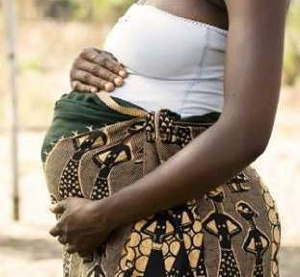
The Tema Metropolitan Health Directorate has revealed that about 86 percent of adolescent pregnancies in Tema are caused by men between 20 and 39-years-old.
Doris Ocansey, the Adolescent Health Advocate for the Tema Metropolitan Health Directorate, disclosed this in an interview with the Ghana News Agency (GNA).
She said her outfit’s conclusion was based on research into the background of the men impregnating these girls in the metropolis, especially Tema Manhean.
Ms. Ocansey said, “We collected the data so that we can also focus on the adults since they are impregnating the girls.”
She said that looking at the age difference between the two parties, it was obvious that adolescent girls could not demand the use of condoms to prevent pregnancies.
The data also revealed that most of the pregnant girls were junior high school graduates.
Ms. Ocansey cautioned the men to leave the adolescent girls alone to enable them to focus on their education and careers instead of impregnating them at a tender age.
She indicated that between January and December 2023, a total of 355 pregnant adolescents between the ages of 10 and 14 and 331 between the ages of 15 and 19 years were enrolled in the safety net programme in the municipality.
She explained that the programme helps health officials track and follow the pregnancy until delivery.
“For some of the girls, this was not their first pregnancy, but their second or third. We want to stop that, so if you make the mistake of getting pregnant, you won’t have to fall back into it again,” she said.
She explained that the safety net programme was aimed at reducing repeated pregnancies among adolescents, reducing maternal mortality and mobility, and increasing post-partum family planning.
Ms. Ocansey said out of the number enrolled, 42 were in school before they got pregnant, indicating that four were in primary school, 26 in junior high school, and 12 in senior high school.
She said that to ensure the girls do not wander after delivery and engage in transactional sex, they help them decide whether they would want to go back to school or engage in trade.
She said that at the end of December 2023, 108 of the girls had decided to return to school after delivery; 146 had also opted to acquire vocational training; 30 wanted to go into trading; and 37 were undecided on the path they wanted to take after delivery.
Latest Stories
-
Kwaku Azar writes: A-G vs OSP
33 minutes -
Mfantsipim–Adisadel rivalry built excellence, not division – Sam Jonah
58 minutes -
Vice President launches Mfantsipim’s 150 years of shaping Ghana’s greatest mind
1 hour -
I assure Otumfuo, Mahama will join him to commission KNUST Teaching Hospital by end of this year – Haruna Iddrisu
2 hours -
Barcelona dominate derby to extend La Liga lead
2 hours -
Gov’t to roll out free special education for persons with disabilities from July 1 – Education Minister
2 hours -
Importers and Exporters Association declares full support for Publican AI port system
3 hours -
“We used it to test our officiating officials’ readiness” – Bawah Fuseini after CAA Athletics event
3 hours -
Volleyball emerges as Ghana’s fastest rising sport
3 hours -
National Sports Fund needs strong leadership from the top – Administrator David Wuaku
3 hours -
JoySports Exclusive: Steve McLaren in talks with GFA after expressing interest in Black Stars job
3 hours -
Fire guts auto parts warehouse at Bubuashie, one fire officer injured
3 hours -
I owe my victory to coach Ofori Asare – Allotey after winning WBA Africa Gold Super Flyweight belt
3 hours -
Church of Pentecost supports over 2,000 BECE candidates in Obuasi with career guidance seminar
5 hours -
Brandon Asante and Coventry all but promoted to Premier League despite Sheffield Wednesday draw
5 hours